


























































Nettle "gold": how to make natural fertilisers for your garden and flowerbeds
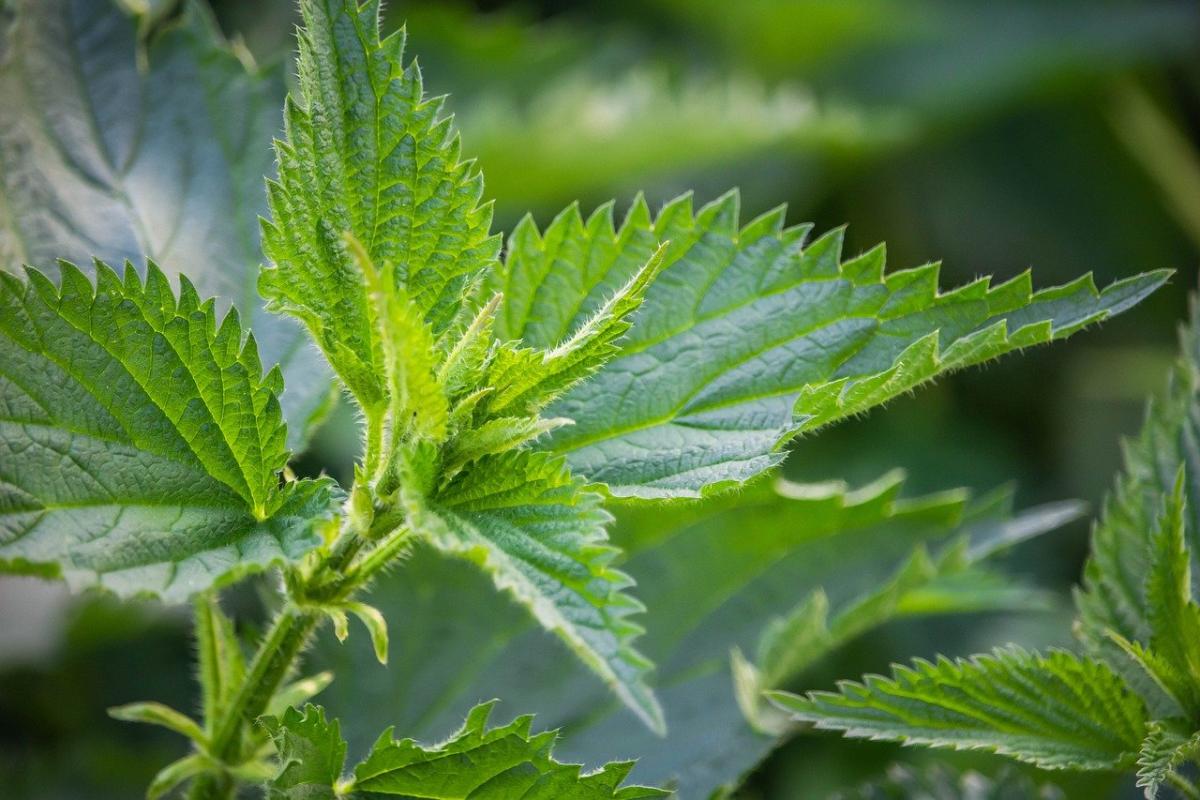
If you have nettles in a corner of your garden, don't be too quick to call them weeds. Experienced gardeners know that they are a free, organic and highly effective "green cocktail" that can replace expensive chemical fertilisers. Nettle leaven not only stimulates growth but also strengthens plant immunity.
Why are nettles so beneficial?
Needles are rich in nitrogen, potassium and iron, as well as magnesium, calcium and various vitamins. These substances are readily absorbed in their absorbable form, so that the plants recover visibly after such a „diet“: the leaves turn bright green and growth accelerates.
How to make nettle leaven: step by step
This process is simple but requires a little patience.
Preparation of the raw material: add young nettles (preferably – seeds that have not yet ripened). Coarsely chop them.
Choosing the container: use a plastic or wooden container (avoid metal ones as undesirable chemical reactions may occur). Fill about 2/3 of the container with chopped nettles.
Dressing: Pour water (preferably rainwater or standing water) over the nettles, leaving room for the foam that will form during fermentation.
Rising process: Cover the container (not tightly to allow air circulation) and leave in a sunny place. The heat of the sun accelerates fermentation.
Duration: The process takes 1–2 weeks.
Maintenance: Stir daily with a wooden stick.
Finish: when the liquid stops foaming and darkens – the fertiliser is ready.
Scent advice: Sour nettle mass has a specific, rather strong smell. To soften it, you can add a handful of valerian roots to the leaven, or add a little rock flour.
Rules of use: dilution is essential!
The nettle leaven is a concentrate, so do not pour it directly on the plants – you can „burn“ the roots.
Application method Ratio (Yeast : Water) When to use?
Root irrigation 1:10 main fertilization during growth.
Leaf spray 1:20 for emergency relief, control of aphids.
What plants like this „tea“?
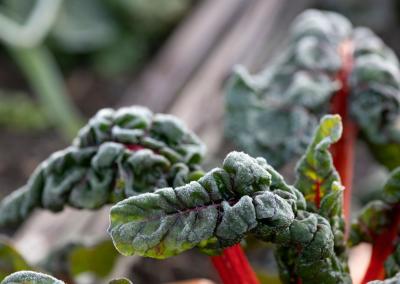
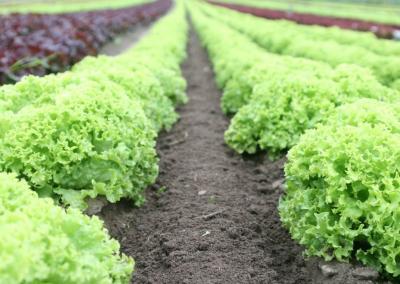
Vegetables such as tomatoes, cucumbers, peppers, cabbage and courgettes will appreciate the dose of nitrogen.
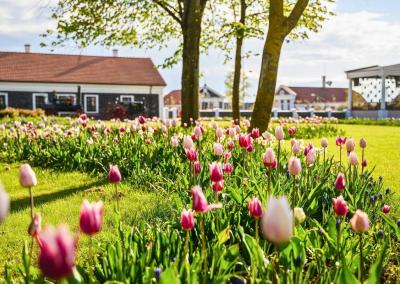
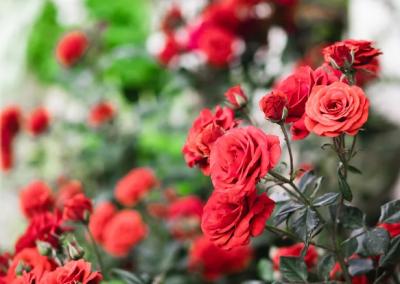
Flowers: most annual and perennial flowers (e.g. roses) will bloom more profusely after such fertilisation.
Indoor plant care: you can also use it on houseplants, but because of the smell, it is recommended to use it on a balcony or terrace.
Who doesn't like nettle fertiliser?
Although it is a great remedy, it is not for everyone. Avoid fertilising:
Orange onions and garlic (can slow down the formation of heads).
Beans and peas (they store their own nitrogen).
Bulbs (although suitable, too much nitrogen can encourage blight).
Needle fertiliser is not only a sustainable way to manage your garden, it is also a direct route to a healthier, more prolific, chemical-free garden. Try this recipe already this season!

Similar articles

Video