

















































New EU packaging requirements: what should Lithuanian growers know right now?
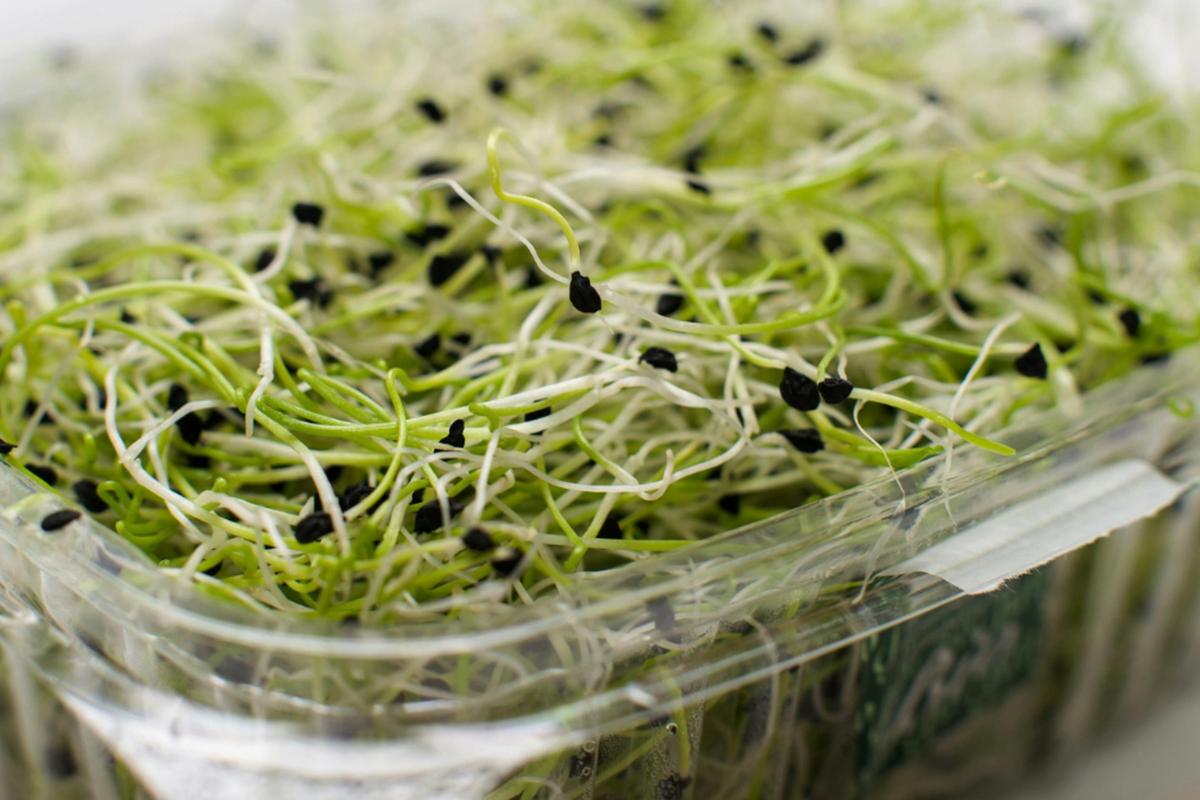
One of the most significant changes in the field of packaging in recent years is set to take place in the European Union. With the entry into force of the new Packaging and Packaging Waste Regulation (Packaging and Packaging Waste Regulation, PPWR), requirements for food packaging, its composition, labelling, producer responsibility and traceability will change.
Although some of the implementing legislation is still being drafted, the key changes that will affect the entire food supply chain in the coming years are already becoming clear – from packaging manufacturers and suppliers to growers of vegetables, fruit and berries, as well as processors and retailers.
The first key date is 12 August 2026.
The first PPWR requirements will come into force on 12 August 2026. One of the most important of these is the new restrictions on PFAS substances used in food contact packaging.
PFAS (per- and polyfluoroalkyl substances) are a large group of synthetic chemical compounds used to make packaging water-, grease- and dirt-resistant. These substances may be present in certain types of paper, cardboard and other food packaging.
Following scientific findings that PFAS degrade very slowly in the environment and accumulate in soil, water and living organisms, the European Union has decided to significantly restrict their use in food packaging.
The European Commission is currently finalising a harmonised methodology for testing PFAS, which is due to be adopted in October this year, but the date of entry into force set out in the regulation remains unchanged.
Will producers need to test their packaging?
No.
The primary responsibility for ensuring the compliance of packaging lies with packaging manufacturers and suppliers.
It is they who must ensure that packaging placed on the market complies with the established PFAS limit values and that they hold the technical documentation confirming this. This must include information on the composition of the packaging, suppliers’ declarations, laboratory test results (where required), traceability data and other documents substantiating compliance.
However, in practice, this information may be requested by retail chains, product buyers or export partners. Growers are therefore advised to contact their packaging suppliers now to ensure that they will be able to provide all the necessary compliance documents.
Standardised labelling across the European Union
Alongside the PPWR, the European Commission is also developing a uniform packaging labelling system across the EU.
It is anticipated that, in future, packaging will feature standardised labels providing information on: reusability; participation in a deposit-return scheme; the proportion of recycled plastic; bio-based plastic; digital labelling solutions (QR codes, etc.).
Although the final labelling requirements have not yet been approved, it is clear that they will apply in all European Union Member States.
Who is considered a packaging producer under the PPWR?
One of the most debated issues is who will be considered a packaging producer.
The European Commission’s guidance states that, in most cases, the producer will not be the physical manufacturer of the packaging, but rather the economic operator whose name or trade mark is indicated on the packaging.
This is particularly relevant for Lithuanian producers who market their products under their own brand or manufacture products for retail chains’ private labels.
Changes are also on the horizon for the producer responsibility system
Alongside the PPWR, a unified European Union Extended Producer Responsibility (EPR) system will be gradually introduced.
According to the current timetable:
- the first reporting year will be 2028;
- the first reports must be submitted by 1 June 2029.
However, implementing legislation is currently still being drafted, which will set out the procedures for registration, reporting, record-keeping and data submission. Furthermore, significant differences remain between Member States, so it is important for Lithuanian growers who export to monitor not only the requirements of the European Union but also the national requirements of specific export markets.
What is recommended to be done right now?
Although some of the requirements are still being finalised, preparations should not be postponed.
The Chamber of Agriculture recommends that growers: review the food packaging currently in use; contact packaging suppliers to check their compliance with future PPWR requirements; ask suppliers to provide technical documentation and declarations of conformity; assess whether the packaging currently in use will comply with PFAS restrictions in the future; for exporting farms, to enquire in advance about additional requirements in specific markets.
Chamber of Agriculture: prepare for changes in advance
The Chamber of Agriculture points out that the new regulation is one of the most important measures of the European Green Deal in the field of the circular economy, and therefore its requirements will be consistently expanded and refined.
Although the main legal responsibility lies with packaging manufacturers and suppliers, in practice it is increasingly the case that producers will be asked to provide documentation confirming the compliance of packaging. Therefore, preparing in advance will help to avoid disruptions when supplying produce to retail chains, exporting to other European Union countries or cooperating with international partners.
The Chamber of Agriculture will continue to monitor the implementing legislation adopted by the European Commission and will inform farmers’ organisations and growers of all key developments regarding the application of the PPWR Regulation and practical clarifications.

Similar articles


Video