






































































India has opened its doors to New Zealand dairy products
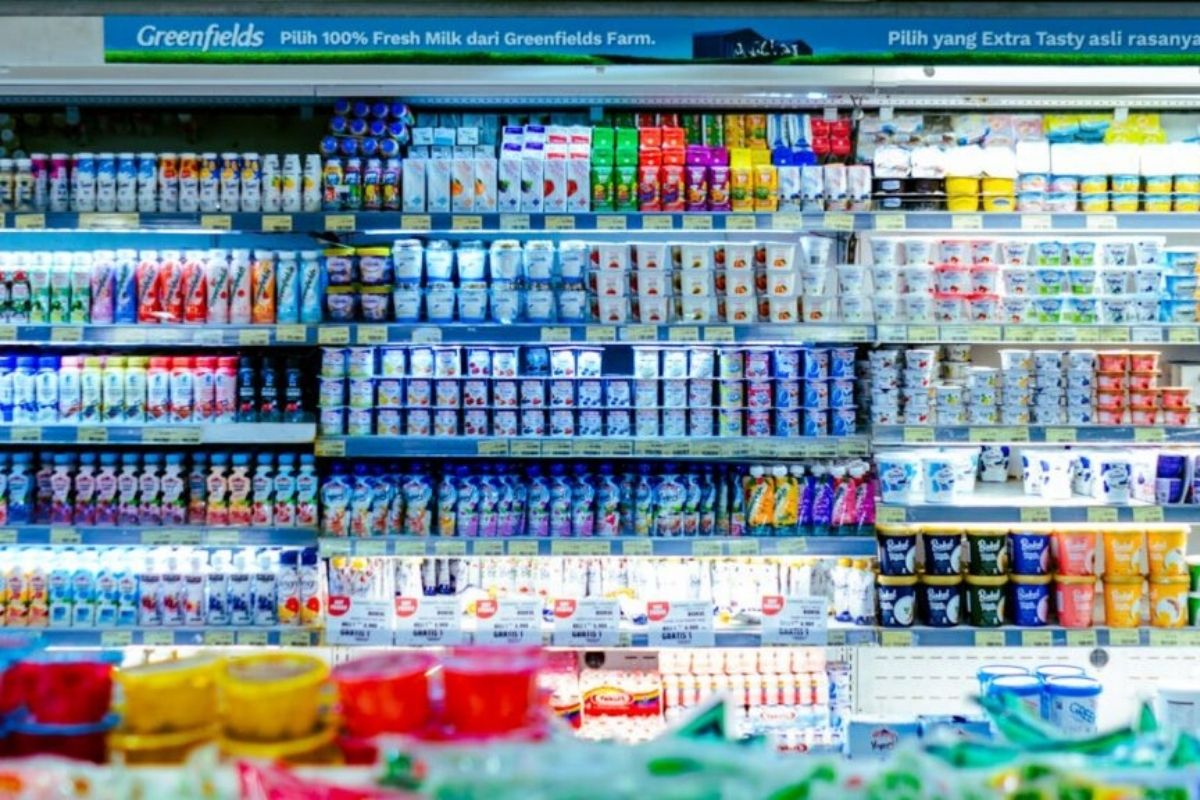
The New Zealand Parliament has passed the legislation required to implement the free trade agreement with India. The agreement does not open up the entire Indian market to the dairy sector, but does provide specific concessions for certain dairy products and ingredients.
Concessions – not for the entire dairy sector
New Zealand and India signed the free trade agreement on 27 April 2026. 16 September the New Zealand Parliament passed the legislation required for its implementation. The agreement will only come into force once both countries have completed their ratification procedures.
Whilst extensive tariff reductions are envisaged for many New Zealand goods, India maintains significant market protection in the dairy sector. Preferences are granted only to certain product groups.
Tariffs will be reduced on infant formula and milk ingredients
Under the agreement, the 33 per cent duty on loose infant formula and certain other milk-based food products will be phased out over seven years. Over the same period, the 22 per cent duty on peptones – protein hydrolysates that may be produced from raw milk – will also be eliminated.
A separate annual tariff quota of 3,000 tonnes has been set for milk albumins. Within this quota, the current 22 per cent duty will be reduced to 11 per cent. According to the New Zealand Ministry of Foreign Affairs and Trade, this quota exceeds the country’s average annual exports of albumins to India in recent years.
A separate track for ingredients intended for processing
The agreement also provides for a special mechanism for New Zealand ingredients that will be used in India to manufacture products for subsequent export. Indian companies will be able to import such ingredients, including dairy ingredients, duty-free under a special fast-track procedure.
New Zealand’s trade authorities view this provision as an opportunity for the country’s producers to establish a foothold in India’s food processing supply chains. This is particularly relevant not for finished dairy products, but for higher value-added proteins and other ingredients.
The Indian dairy market remains heavily protected
The new agreement should not be seen as a broad opening up of the Indian dairy market. For the main categories of dairy products, the general market protection regime essentially remains in place, whilst the agreed concessions are concentrated on limited product groups and ingredients intended for processing.
However, the agreement does contain a provision for possible further market opening. Should India in future grant more favourable trading conditions for dairy products to other similar countries, it has undertaken to consult with New Zealand on the granting of similar conditions. The agreement itself will also be reviewed one year after it comes into force.
The current agreement is therefore significant for the dairy sector not so much because of any sudden change in export volumes, but because it establishes the first clearly defined preferential channels into one of the world’s largest dairy markets.

Similar articles



Video