























The European dairy sector is at a crossroads
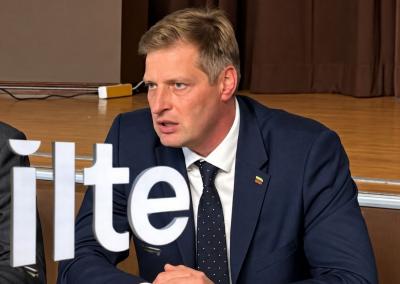
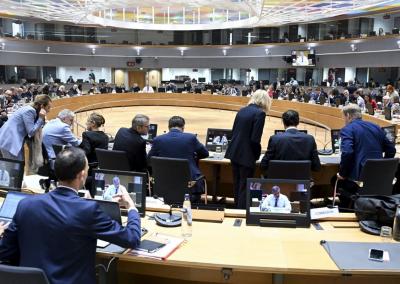
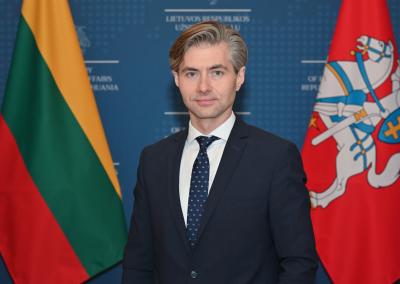
The European dairy sector is currently at a crossroads: a declining number of farms, market volatility, risks posed by climate change and animal diseases, and increasing regulatory requirements are forcing the sector to seek new solutions. Lithuania is calling on the European Union (EU) to strengthen the resilience of the dairy sector, ensure more favourable conditions for farms to invest, and make more effective use of market risk management tools. These positions were presented by Rolandas Taraškevičius, Deputy Minister of Agriculture, at the 23rd International Dairy Forum in Białystok (Poland).
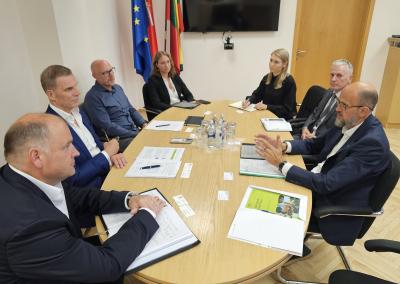
During a discussion at the forum entitled “The European agricultural sector at a crossroads: recommendations for the dairy sector”, the Deputy Minister, together with representatives of COGECA (the European Association of Agricultural Cooperatives and their Organisations), the German Raiffeisen Association and the Danish Dairy Council, on how to ensure the viability and competitiveness of the dairy sector in the future.
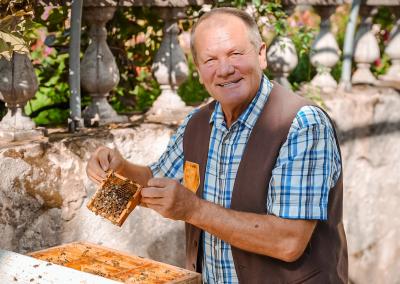
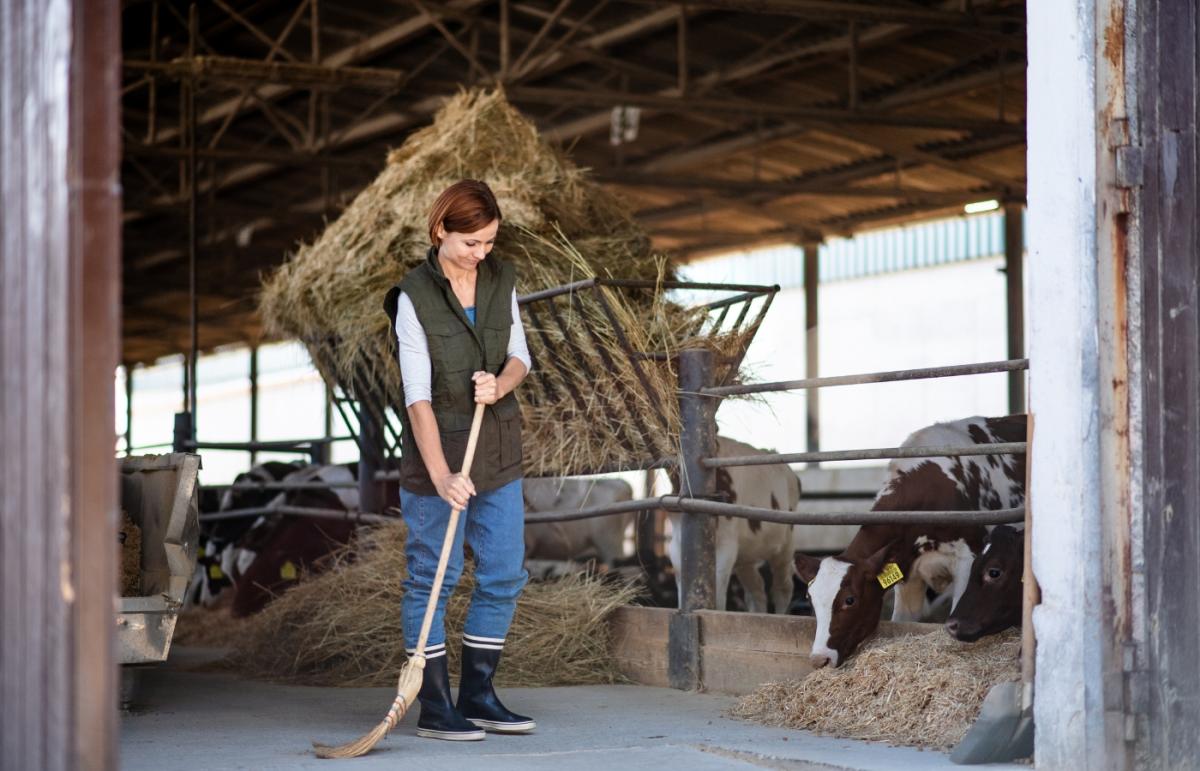
According to the Deputy Minister, when discussing the future of the dairy sector, it is essential first and foremost to see the person behind the figures – the farmer who looks after the livestock every day and ensures that the milk reaches the processor and, ultimately, the consumer.
“If the number of dairy farms continues to decline, we will not be able to halt this trend through market mechanisms alone. Livestock farming is not just a business. It is our food security, a vibrant countryside and strategic resilience. We must therefore create the conditions for farmers not only to survive today, but also to plan confidently for tomorrow, to invest and to pass on their farms to the next generation“ – says Deputy Minister of Agriculture R. Taraškevičius.
In Lithuania, the livestock sector is even more significant. Farms face not only market volatility but also geopolitical, climatic, energy, animal disease and other risks.
Less administrative burden – more opportunities to invest
Lithuania maintains the position that environmental protection targets are important, but their implementation must be reconciled with the realistic capabilities of farms.
For dairy farms, particularly smaller ones, every new requirement means additional investment, administrative procedures and costs. Therefore, realistic transition periods, adequate funding and proportionate solutions are essential for new obligations.
“We are not opposed to high environmental standards. We are in favour of them being implemented in such a way that farmers can remain competitive. We cannot pursue the green transition at a pace that drives the very farms we need to help transition to more sustainable production out of the market,“ – emphasises the Deputy Minister.
According to him, EU support must be directed not only towards implementing new requirements, but also towards the modernisation of farms, innovation, energy efficiency, risk management and strengthening farmers’ position in the food supply chain.
When the market is in turmoil, farmers need safety nets
Another important message from Lithuania – the need to strengthen EU market risk management measures.
The dairy sector is particularly sensitive to global market fluctuations. Milk purchase prices can change rapidly, whilst farmers’ costs – for feed, energy, staff, livestock care and investments – remain constant.
Lithuania therefore advocates more effective EU mechanisms for the agricultural reserve, private storage and intervention buying.
“When a crisis hits the market, a farmer cannot simply stop milking the cows and wait for the situation to improve. Milk is produced every day. That is why support mechanisms must come into play when they are most needed, not when the crisis is already over“,” says the Deputy Minister.
Lithuania believes that, in the event of serious market disruptions, support from the EU Agricultural Reserve should be mobilised as swiftly as possible. It is also important to retain the option of applying aid for the private storage of dairy products when part of the production is temporarily withdrawn from the market.
Lithuania also regards intervention purchases of butter, skimmed milk powder and cheese as an important market regulation tool. As intervention prices have remained largely unchanged for many years, Lithuania calls for consideration to be given to how they might be better adapted to current market realities.

Similar articles

Video