

































Between wolves and bureaucratic wolves: how are sheep farmers coping?
With the “Sheep Will Clothe and Feed Us in 2026” exhibition approaching, we spoke to the sheep farmers themselves to find out how they view this specialised agricultural sector. To what extent do their concerns resemble those of other farmers, and what are the differences? Which breeds of sheep should you buy if you were to take up this farming business?
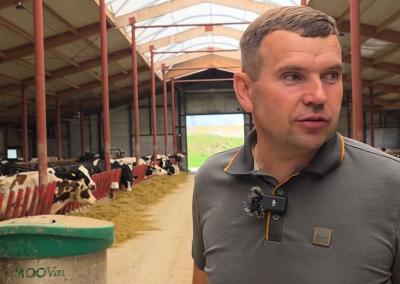
Giedrė Balčienė, a sheep farmer in the Alytus district, revealed to the “Agrobit play” channel, Giedrė Balčienė, who rears sheep in the Alytus district, also spoke about the challenges she faces as a farmer. She says that bureaucrats are slow to respond to farmers’ cries for help, even though they themselves demand that farmers fulfil their obligations within three working days.
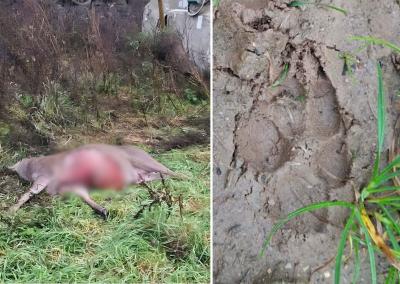
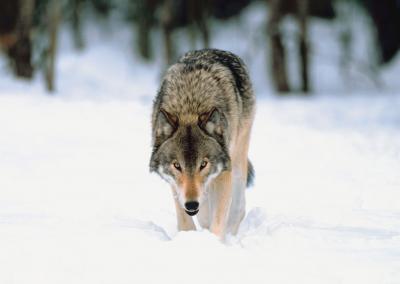
“The worst situation is when we find an animal still alive and suffering after a wolf attack,” says Giedrė. “I have to call a vet, who will confirm that the animal is indeed beyond saving. Only then can a culling certificate be issued, and only then can the animal be put down.”
If a farmer were to decide to put the animal out of its misery straight away, they would be breaching the current regulations and would therefore not be entitled to compensation.
This conversation is not just about sheep, but also about a community that comes together to help one another, as well as those who are already considering entering this line of business.
Don’t forget to subscribe to the “Agrobitė play” channel on YouTube. It’s your window into the world of farming.

Similar articles
Video