







































































Scorching heat – a threat to animals: how can you recognise heatstroke?

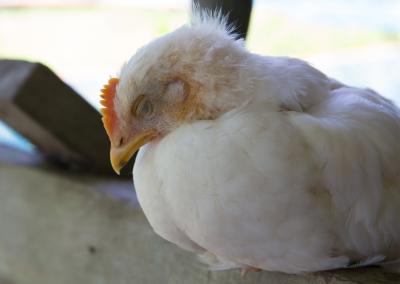
Hot weather is set to continue in Lithuania over the coming days – with temperatures set to exceed 30 degrees, The State Food and Veterinary Service (VMVT) warns that both pets and farm animals require greater attention and care. High temperatures affect animals’ bodies – an overheated animal breathes rapidly and shallowly, becomes restless, may sweat profusely, and experiences impaired coordination. If you notice these signs, the animal must be moved into the shade as quickly as possible and cooled down – using cool water or other safe cooling methods.
On hot days, animals are actively attacked by blood-sucking insects, which can also cause serious health problems or even pose a threat to life. It is recommended to use protective products available from veterinary pharmacies, to keep animals indoors during peak insect activity, and to ensure they have access to shade, well-ventilated areas or to use water-cooling methods (spraying, bathing, showering).
Animals must always have access to clean, cool water. Livestock kept in pastures must not be left in direct sunlight during the hottest part of the day – they require shade: under trees, in sheds or in arbour-like structures.
Livestock housing must be fitted with effective ventilation systems, particularly when keeping pigs or poultry. It is also recommended to install alarms to warn of ventilation faults or dangerously high temperatures.
When transporting animals, it is essential to ensure ventilation, temperature control and access to water. When the air temperature reaches 30 °C or higher, it is recommended to postpone journeys unless the vehicle is fitted with an effective cooling system. It is advisable to transport animals early in the morning or at night, avoiding prolonged exposure to hot environments and unscheduled stops.
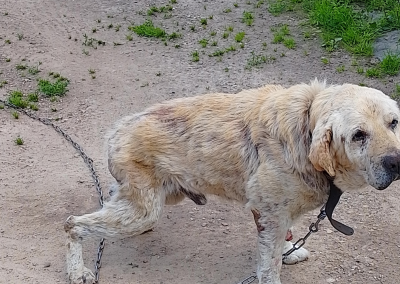
Dogs, cats and other pets find it difficult to cope with the heat, so they need a cool, well-ventilated space. It is important to ensure constant access to water, allow them to rest on cooler surfaces, and, if necessary, cool them down with a damp towel or by spraying them with water. Older, sick, overweight and brachycephalic animals are particularly vulnerable.
During hot spells, animals’ appetites naturally decrease, so it is recommended to reduce the amount of feed and choose food that is easier to digest. Water should be changed frequently to ensure it remains fresh, cool and clean.
Never leave animals alone in a car – not even for a short time – as the temperature inside can rise to dangerous levels within a few minutes. It is also not recommended to let dogs stick their heads out of the window whilst travelling, due to potential health risks.
Walks with pets should be planned for the mornings or evenings, avoiding hot tarmac, which can burn their paws.
If your pet becomes lethargic, is panting heavily, drooling profusely, has reddened mucous membranes, is vomiting or loses consciousness – you must contact a vet as soon as possible.

Similar articles

Video