













































Olive trees in Lithuania. Is that realistic?
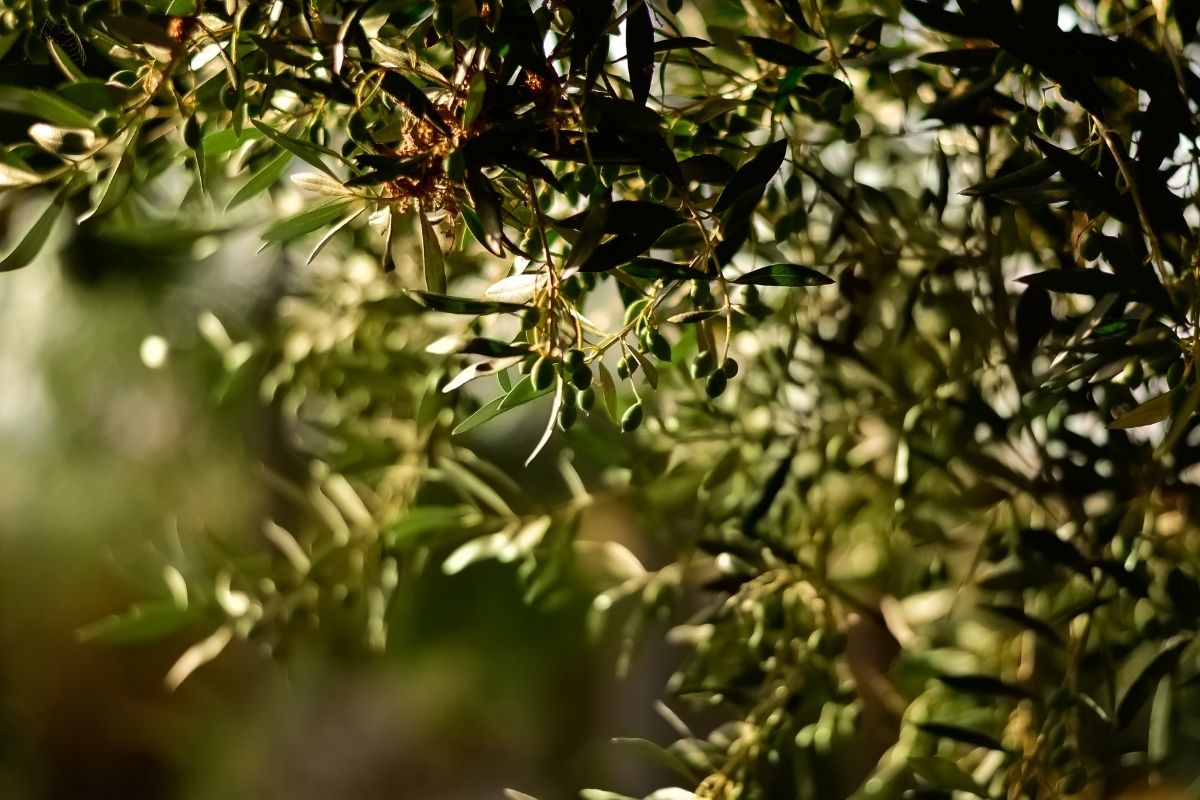
On a trip to Tunisia in the third week of April, it was the vast expanses of olive groves that made the greatest impression on me. That’s when the thought occurred to me – is anyone trying to grow olive trees in our country, not on an industrial scale, of course? It turns out there are enthusiasts who are trying to cultivate this, for us, exotic crop in their own backyards.
A bit of biology. There are 35 species in the olive genus, and arguably the most important is the European olive tree, which is most widespread in the countries of the Mediterranean region. Archaeologists have established that humans were already consuming olives as food 100,000 years ago, and began cultivating them 6,500 years ago. Olive trees can live for up to a thousand years; the oldest is as much as 3,500 years old. It is an evergreen tree, growing up to 12 metres tall. Their trunks are striking: very gnarled and crooked (it is said that the more crooked, the more fruit it bears), the leaves are small and greyish-green, the flowers are pale and fragrant, clustered in bunches, and the fruit (olives) are drupes that are green at first and, when ripe, – blue-black, and can contain up to 30 per cent fat.
All over the world, wherever olive trees are grown, oil is pressed from the fruit. From a culinary point of view, extra virgin olive oil – produced using a cold-pressing process without the use of chemicals – is considered the most valuable. Globally, 245 million tonnes of vegetable oil are produced, whilst olive oil production amounts to up to 3.5 million tonnes. Most oil is produced from oil palms, but this comes at the expense of the destruction of tropical forests.
To grow an olive tree, you first need to prepare the growing medium. Peat is unsuitable; you need loam, limestone pebbles or cat litter made from clay that does not clump when wet. To ensure it flowers during its dormant period – in winter – the temperature must not exceed +12 degrees. In the wild, they start bearing fruit at 8–10 years of age, and the fruit (olives) ripen within 6–8 months. Of course, our summers are too short; during the warm season, they can be kept in the open ground, but in winter (they can withstand short-term frosts down to minus 12 degrees), they should be kept indoors, dry air and light are essential conditions, whilst excessive moisture can cause fungal diseases, which will kill the olive tree.
Are they easy to buy, and what are the prices? There is a wide range available, and the price depends on the size. A 30 cm tall sapling costs around 10 euros, a 100 cm one – 35, a 200 cm one – more than 350, and a 300 cm one – almost 1,500 euros. Exceptional specimens can cost more than 5,000 euros.
The olive tree is regarded as a symbol of life and endurance.

Similar articles

Video