









































The decision by Brussels aims to compensate farmers for up to 80 per cent of the additional costs incurred in purchasing fertiliser
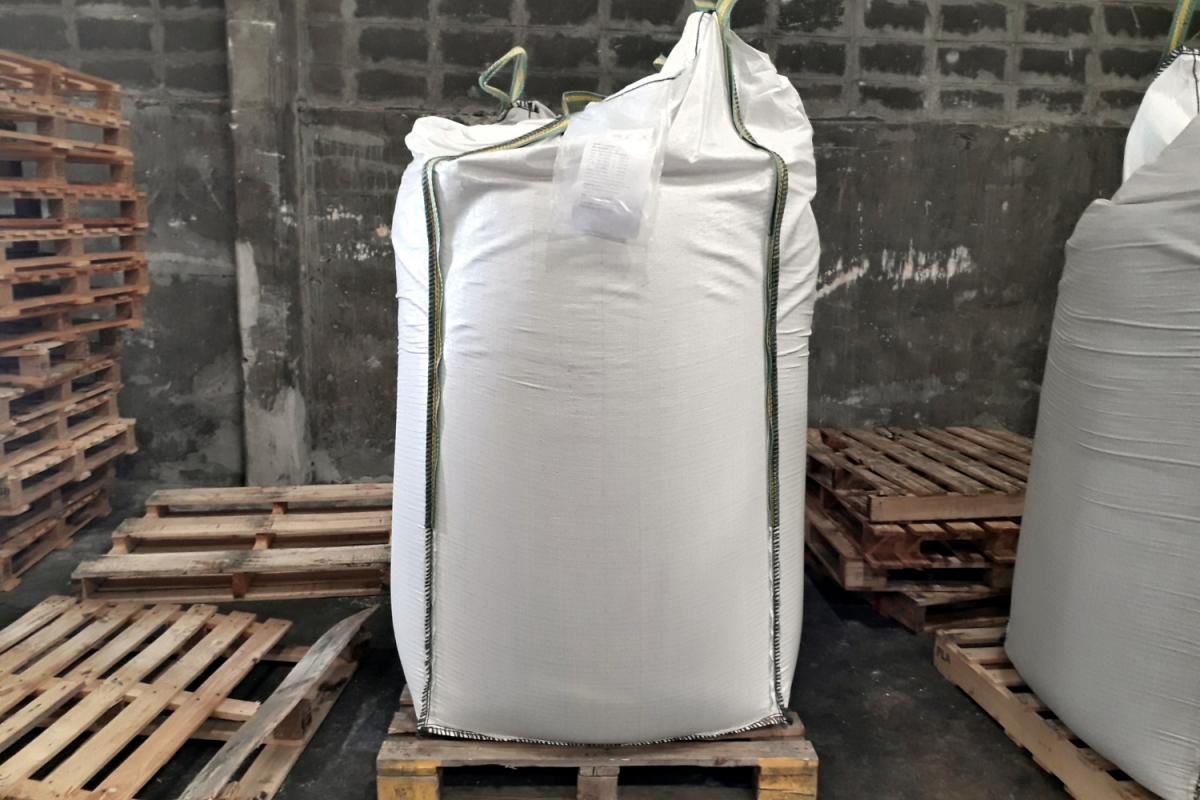
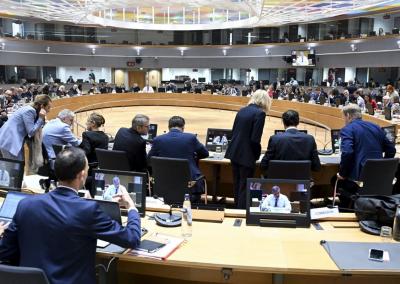
On Tuesday, the European Parliament adopted measures aimed at mitigating the impact of rising fertiliser prices on farmers in the European Union, according to the European Parliament’s Communications Service.
MEPs have reportedly decided to fast-track the amendments to the EU’s Common Agricultural Policy (CAP) proposed by the European Commission, in order to ensure that farmers receive timely support to purchase fertilisers for the next growing season.
“Agroitė” notes that the EC has proposed a temporary support package worth approximately €540 million, to be funded from existing CAP resources without creating a new budget. It is envisaged that Member States will be able to provide targeted aid to farmers whose production costs have risen the most due to the surge in fertiliser prices.
This measure is intended to prevent a decline in production and food quality, as well as rising prices for consumers. Under the EP’s decision, farmers will reportedly be able to receive liquidity support amounting to up to 80 per cent of their additional fertiliser costs. In other words, if farmers’ fertiliser costs have risen, up to 80 per cent of this increase will be compensated.
EU Member States will also be able to increase advance direct payments from 70 per cent to 75 per cent and pay them to affected farmers immediately after they submit their applications (rather than only after 16 October, as provided for under the current rules).
Member States will also have greater flexibility in adjusting their direct payment budgets for the coming year.
The rules proposed by the Commission were adopted by 576 votes to 62, with 15 abstentions.
The European Parliament’s decision, as now adopted, must be formally approved by the Council and published in the Official Journal, after which it will enter into force on the day following its publication.
Fertiliser prices have a direct impact on food production, as fertilisers account for up to 16 per cent of farmers’ costs.
The EU imports 30 per cent of the nitrogen fertilisers and 70 per cent of the phosphate fertilisers used in agricultural production. Meanwhile, fertiliser production in the EU relies on natural gas. Recent geopolitical events, such as Russia’s war of aggression against Ukraine and, most recently, the situation in the Middle East, particularly the closure of the Strait of Hormuz, are driving up the prices of both fertilisers and energy.
The situation is further complicated by the fact that the nitrogen fertiliser market remains highly dependent on global raw material flows. According to analysts’ data, in April 2026, nitrogen fertilisers cost European farmers around 71 per cent more than the average in 2024, and in just two months, prices had surged by approximately 40 per cent. This surge was mainly driven by disruptions in global ammonia and urea supply chains.
In recent years, the European Union has also been seeking to reduce its dependence on Russian fertilisers. In 2023, nitrogen fertilisers accounted for more than 70 per cent of fertiliser consumption in the EU, with Russia supplying around a quarter of these imports, worth approximately €1.3 billion. For this reason, the EU had previously decided to gradually impose very high tariffs on Russian and Belarusian fertilisers, thereby encouraging the diversification of supply and the expansion of domestic production.

Similar articles




Video