






























Beekeeping news: there is no shortage of challenges, either in the apiaries or on the honey market
There is no shortage of challenges in the beekeeping sector – unpredictable weather conditions, bee diseases and parasites, problems with honey sales, competition from cheaper imports and cases of honey adulteration are forcing beekeepers not only to adapt, but also to seek new solutions. At the same time, 2026 has brought significant changes to the European Union’s honey market – new labelling requirements for the origin of honey came into force in mid-June, providing consumers with more information about the origin of the product they are buying.
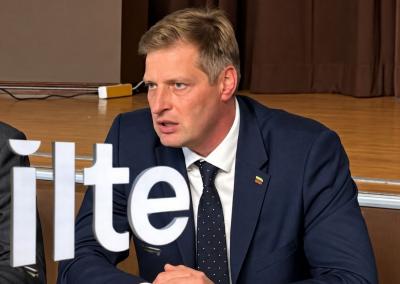
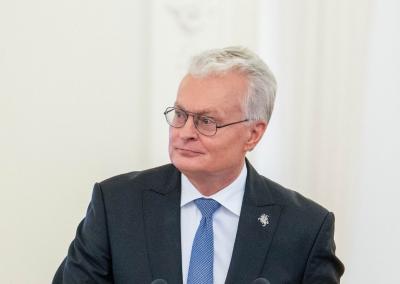
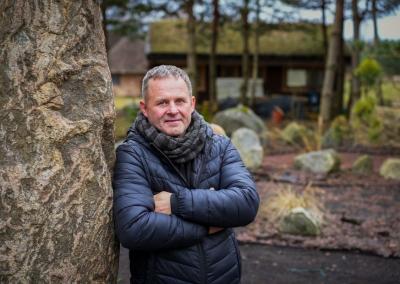
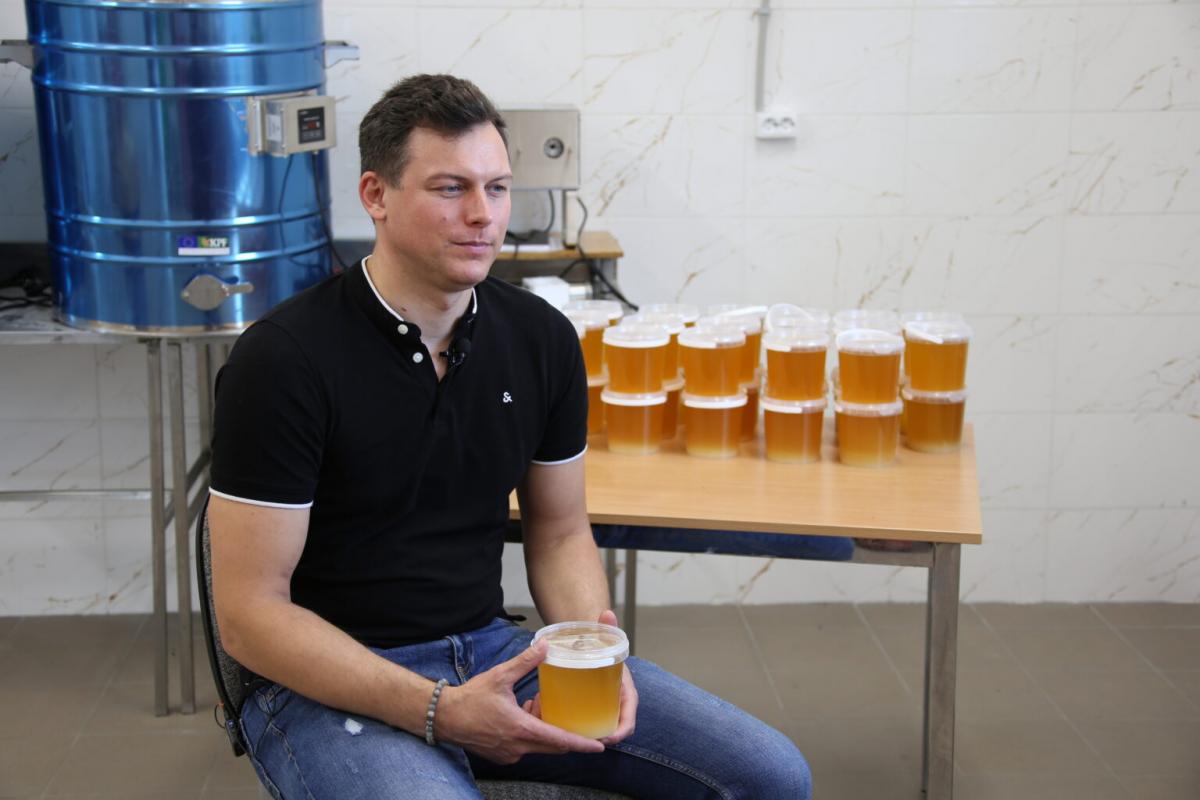
Paulius Bernadišius, chairman of the Kaunas Beekeepers’ Society, who has spoken on numerous occasions about the state of beekeeping in Lithuania, emphasises that a beekeeper’s results depend greatly not only on their own knowledge and efforts, but also on nature and market conditions.
Weather conditions dictate the rhythm of beekeepers’ work
Beekeeping is one of the agricultural activities that is particularly dependent on natural conditions. Fluctuations in temperature in spring, rainfall, droughts or prolonged periods of rain have a direct impact on plant flowering, nectar production and the honey harvest.
The past season demonstrated this very clearly to Lithuanian beekeepers. A cold spring and a rainy start to the summer resulted in a lower yield of spring honey.
The main honey flow in Lithuania usually ends around mid-July, after which only some beekeepers obtain additional honey from the forest or from plants that flower later, such as heather.
Such seasonal fluctuations demonstrate once again that it is becoming increasingly important for beekeepers to constantly monitor the condition of their bee colonies, respond promptly to changing conditions and build up their knowledge.
Bee health – an ongoing concern
An equally important issue is bee health. The Varroa mite remains one of the greatest threats to bee colonies, so beekeepers must constantly monitor its prevalence and select appropriate control measures.
Bee health is also inextricably linked to knowledge and new technologies. Members of the Kaunas Beekeepers’ Society take an active interest in the experience of other countries, the prevention of bee diseases and new treatment methods.
Speaking about the projects being implemented by the society, P. Bernadišius has emphasised the importance of learning and sharing experience: “We firmly believe that education and the sharing of experience are the path to sustainable and competitive beekeeping in Lithuania,” says P. Bernadišius.
It is important for beekeeping communities not only to address specific bee health issues, but also to keep their knowledge up to date, familiarise themselves with new technologies, measures for the prevention of bee diseases and solutions applied in other countries.
The honey market – yet another challenge
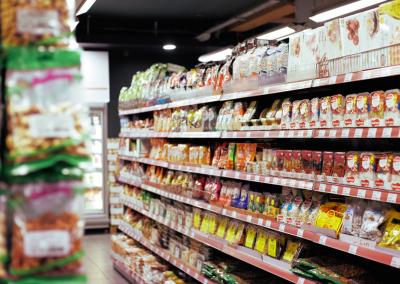
Natural conditions are just one of the problems facing the beekeeping sector. Lithuanian beekeepers are also concerned about honey sales and competition from cheaper imported products.
P. Bernadišius has pointed out that beekeepers working with large retail chains feel the competition most acutely. Meanwhile, for owners of smaller apiaries, a direct link with consumers is important.
A direct link between the beekeeper and the consumer is also important when it comes to trust in the product. By buying directly from a beekeeper, consumers can find out more about the origin of the honey, where it was harvested and the farm itself.
Greater transparency regarding the origin of honey – an important change
From mid-June 2026, new labelling requirements for the origin of honey will come into force in the European Union. Labels on honey blends must list the countries of origin in descending order and the percentage of each origin.
Until now, consumers could only see much more general information on honey blends, such as that the product is a blend of honey from EU and non-EU countries. The new rules make it much easier to understand exactly where the honey you are buying actually comes from.
Mr Bernadišius regards this change as significant for consumers and local beekeepers.
„“Consumers will finally be able to distinguish local honey from blends that may contain honey from countries where different production, hygiene and plant protection standards apply, or where honey adulteration is a frequent problem,” – notes P. Bernadišius.
Greater transparency regarding the origin of honey is important not only for consumers. For Lithuanian beekeepers, it provides more opportunities to highlight the local origin of their produce and to compete in the market on the basis of product quality and consumer trust.
Honey adulteration poses a threat to fair competition
The issue of honey authenticity has been a concern across Europe for some time. The European Commission is placing greater emphasis on issues of honey authenticity and traceability, and the new rules provide not only for more detailed origin labelling but also for further steps towards developing harmonised methods for detecting honey adulteration with sugar.
The Honey Platform established by the European Commission is also tasked with providing recommendations on the honey traceability system, authenticity checks, product composition criteria and other issues.
This is relevant to Lithuanian beekeepers for a very practical reason – it is difficult for honestly produced local honey to compete with a significantly cheaper product if the consumer is unable to clearly understand its true origin or composition.
Mr Bernadišius has previously pointed out that it would be beneficial for Lithuania to seek additional ways to distinguish and protect the produce of local beekeepers.
“I believe we need to think about promoting the national product and finding a formula to ensure that local produce is distinctive and that honey producers are not paid mere pennies for their produce, as is currently the case,” – notes the head of the Kaunas Beekeepers’ Association.
In his view, special labelling alone is not enough – we should look for more ways to protect both Lithuanian beekeepers and consumers.
International experience demonstrates the benefits of cooperation
Members of the Kaunas Beekeepers’ Association, whilst visiting abroad, have taken an interest not only in bee-keeping technologies but also in honey marketing models.
P. Bernadišius was particularly struck by the experience in Serbia, where beekeepers, their umbrella organisation and the state have contributed to the creation of a shared honey processing infrastructure. This allows honey to be purchased from beekeepers, tested and sold without additional intermediaries, whilst clearly communicating the local origin of the product to the consumer.
“The Serbs have established a mechanism that helps to protect local beekeepers, whilst also educating consumers, who now recognise which honey is local and which is not,” – says P. Bernadišius, recounting his observations.
Such examples are relevant when discussing the future of beekeeping in Lithuania – greater cooperation among producers, ensuring honey quality, joint marketing of the product to consumers, and greater bargaining power for beekeepers.
Beekeeping – much more than just honey
When discussing current issues in the sector, it is important to remember that the significance of beekeeping is not limited to honey production alone. Bees are vital for the pollination of agricultural and wild plants, for biodiversity and for the vitality of all ecosystems.
Therefore, bee health is not just a matter for beekeepers. Cooperation between beekeepers, crop farmers, scientists and government bodies is vital, as is the responsible use of plant protection products, the prevention of bee diseases and the preservation of a sufficient food supply for bees.
The future of the sector requires knowledge, cooperation and a fair market
Today, the prospects for beekeeping in Lithuania depend on many interrelated factors – natural conditions, bee health, beekeepers’ ability to adapt to change, consumer confidence and fair competition in the honey market.
The new EU requirements for labelling the origin of honey provide greater transparency, but further steps are also important for the sector – effective checks on the authenticity of honey, strengthening the distinctiveness of local produce, the dissemination of knowledge and closer cooperation amongst beekeepers themselves.
As P. Bernadišius emphasises, continuous improvement and the sharing of experience are crucial for the future of beekeeping. And today, with challenges arising both in the apiary and in the market, a strong beekeeping community and consumer confidence in Lithuanian honey are becoming no less important than the honey harvest itself.

Similar articles
Video