
































































Just 10 votes: the decision that stopped Mercosur and caused a storm in Europe

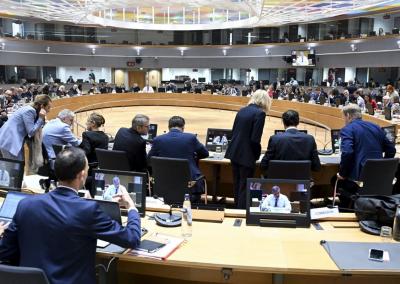
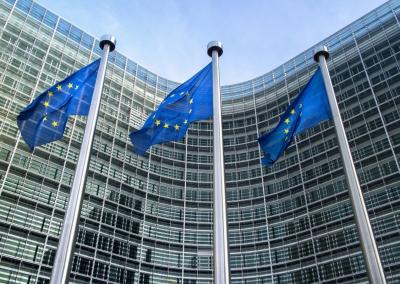
The European Parliament suspends the ratification process of the free trade agreement between the European Union and the Mercosur bloc. The decision to refer the agreement to the Court of Justice of the European Union (CJEU), which will have to assess whether it is compatible with the EU Treaties, was approved by a margin of just 10 votes in a plenary sitting held in Strasbourg.
This means that the "Mercosur" agreement will not be approved for the next few months, if not longer. The decision has sparked intense debate in both political circles and within the farming community.
A cautious move or political stalling?
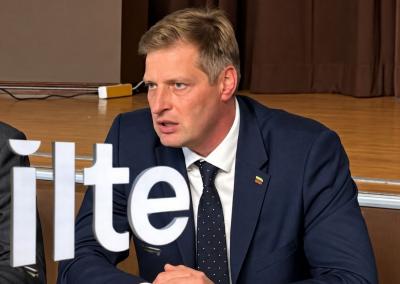
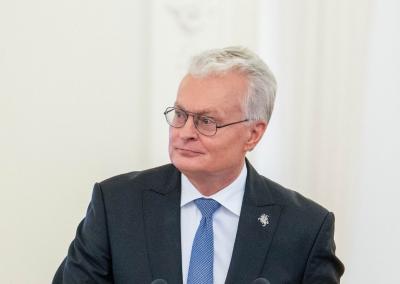
„I think it reflects the current mood of farmers. The impression is that the EP, by going to the Court of Justice, is trying to show that everything possible has been done. Later on, it will be safe to say: 'The Court has ruled, therefore everything is in order'. I would see this as a precautionary step rather than a real brake“, – says the parliamentarian.
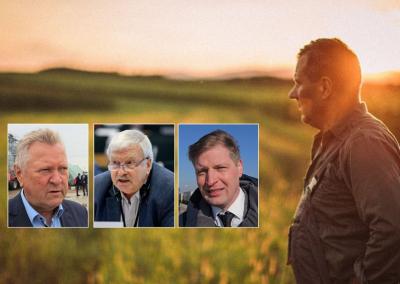
Chairman of the Committee on Climate Change, former MEP Bronis Ropė takes a more moderate position. He said that any legal uncertainties must be checked and that this decision could set an important precedent for the future.
„This issue has been raised before, but apparently not sufficiently taken into account. Therefore, at the plenary stage, a few votes were enough to take this decision. It is good that the treaty is being sent for scrutiny – it will be very useful in the future to have a clear legal confirmation“, – says B. Ropė.
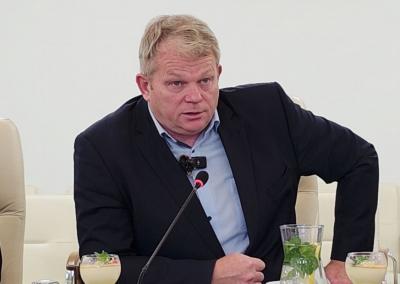
Viktas Pranckietis, Member of the European Parliament, sees elements of both political delays and caution.
„I think there are both options. On the one hand, it is a normal vetting process, and on the other hand, it is a way of delaying the decision. The treaty was approved by a majority in the European Commission, but there was no absolute support for it," he notes.
Lithuanian MEPs voted differently
The European Parliament's roll-call vote also revealed a divergence of positions among Lithuanian representatives. Of the nine MEPs who voted, only two - Aurelijus Veryga and Valdemaras Tomaševskis - supported the decision to refer the case to the Court of Justice, while seven opposed it.
According to K. Starkevičius, Lithuania often does not have a united position on other important issues.„Lithuania's position is rarely united, especially among MEPs“, – he stated.
B. Ropė also agrees, pointing out that a clear position on the Mercosur agreement has also been lacking at national level.
V. Pranckietis is more critical of the situation and points to the underestimation of the importance of agriculture.
„Lithuania has never been united, and in Vilnius it is often not even realised that there is agriculture. Some MEPs also have little knowledge of the sector. At the same time, agriculture accounts for at least three percent of the country's GDP. It is a pity that votes are being taken freely and without consultation," says the politician.
Farmers welcomed the decision
The vote in favour of referral to the Court of Justice of the European Union was 334 MEPs to 324, with a further 11 abstentions. At the same time, a supplementary motion to refer the matter to the European Court of Justice was rejected with 225 MEPs in favour and 402 against.
In practice, this means that the final vote on the Mercosur treaty will only take place after the court's conclusion, suspending the process for at least a few months, and possibly even longer.
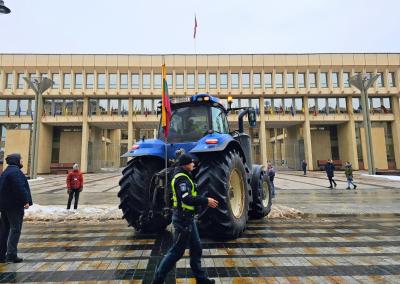
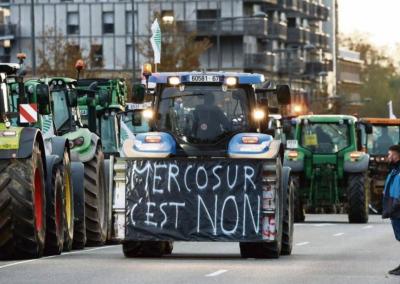
European farmers welcomed the decision. According to foreign media, the farmers, who have been protesting outside the European Parliament for several days, see it as a significant brake on the agreement, which in recent months has raised serious concerns about competition and the future of farms.
European Commission spokesman Olof Gill regretted the decision, saying that the issues raised in the resolution were not new and had already been analysed in detail during the negotiations.
French Foreign Minister Jean-Noël Barrot, meanwhile, welcomed the decision, stressing the need to protect European agriculture and ensure food sovereignty. The German Chancellor, Friedrich Merz, took the opposite view, arguing that the referral to the Court of Justice did not sufficiently take into account the current geopolitical situation.

Similar articles
Video