















































From tractors to court: farmers challenge EU-Mercosur deal
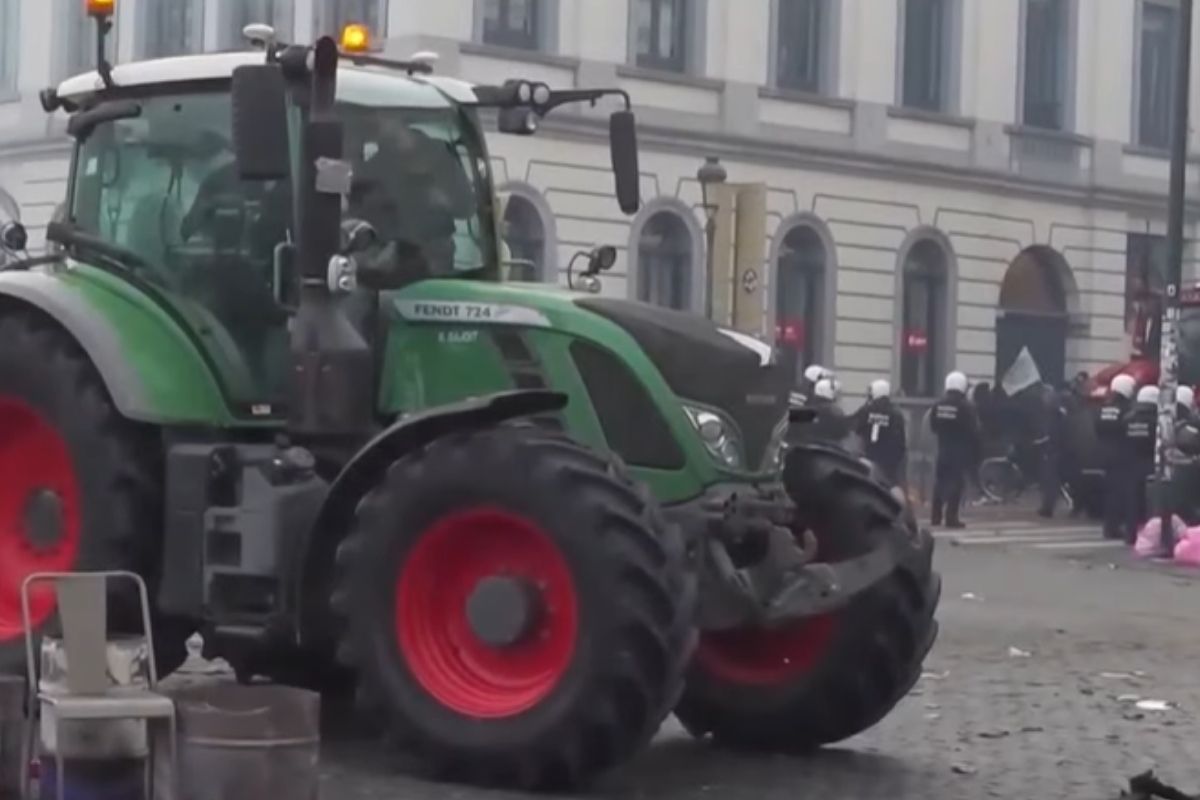
A mass protest by farmers is planned in Strasbourg on Tuesday outside the European Parliament and other EU institutions. Thousands of farmers from several EU countries are expected to turn out to draw the attention of politicians to the EU's trade deal with the South American bloc Mercosur, which they say poses a serious threat to Europe's agriculture.
The protests come at a time when farmers' discontent with the deal has been growing for weeks across Europe. Farmers stress that the agreement was signed without any real consultation with the agricultural sector, which is likely to suffer the most. As the President of the European Commission, Ursula von der Leyen, signed the agreement on behalf of the EU on 17 January in Asunción, the capital of Paraguay.
Last week, farmer protests reached the French capital. Around 350 tractors took to the streets of Paris, using the city's main arteries to reach the National Assembly building. This was the second major protest in one week. The actions included blockades of ports, checks on trucks bound for the European Union – a symbolic demonstration of fears about cheaper imports and what farmers see as an uneven playing field.
The Strasbourg protest is considered to be one of the most important yet, with farmers from France, Poland, Bulgaria and other EU countries taking part. The organisers stress that this is not a national issue, but a pan-European farmers' issue concerning the future of the Common Agricultural Policy.In public statements by the organisers of the protests, the possibility of an appeal to the Court of Justice of the European Union (CJEU) has been increasingly mentioned. This is not yet a formal action, but is being considered as an additional means of pressure if the political dialogue fails to produce results. According to the farmers' organisations, a possible legal challenge could be based on a violation of the principles of competition and equal treatment. They point to Article 39 of the Treaty on the Functioning of the European Union, which enshrines the objectives of the Common Agricultural Policy (CAP): stable markets and adequate incomes for farmers.
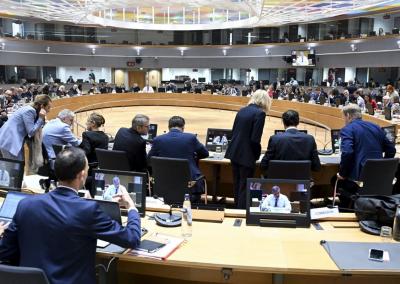
However, this path is controversial within the European Parliament itself. The largest political force – the Group of the European People's Party (EPP) – does not support the idea of referring the matter to the ECJ. The group warns that legal proceedings could hold up ratification of the agreement for months or even years and undermine the EU's credibility in international trade policy. Lithuanian MEPs Rasa Juknevičienė, Liudas Mažylis and Paulius Saudargas, who were elected to the European Parliament as representatives of the Homeland Union of Lithuanian Christian Democrats, are also members of this group.At the same time, the political debate and protests are partly overshadowing the technical processes already underway to implement the agreement. As a reminder, as early as the end of 2025, Brazil submitted to the European Commission a so-called "pre-listing" list of companies that will be able to export eggs and egg products to the EU. This means that the EU has abandoned individual audits of each company, transferring primary control responsibility to the Brazilian authorities.
This situation highlights the main conflict today: while farmers are seeking to block or substantially modify the agreement, the mechanisms for its implementation are already starting to work at a technical level.
There are several possible solutions to this situation. The first – a political compromise, where additional agricultural safeguards, compensatory mechanisms or import restrictions for sensitive sectors would be put in place before ratification. The second – a legal route through the CJEU, which could temporarily slow down the process, but at the same time would mean a long and unpredictable dispute. The third – ratification of the agreement in its current form, leaving farmers' dissatisfaction to be resolved by subsequent political means.
The next few weeks will show whether the Strasbourg protest will be a turning point in the negotiations, or just another signal that the gap between Europe's agricultural policy makers and the farming community continues to widen.

Similar articles


Video