





























































Zero outbreaks, but the sector is shrinking: ASF cost Poland billions. What about Lithuania?
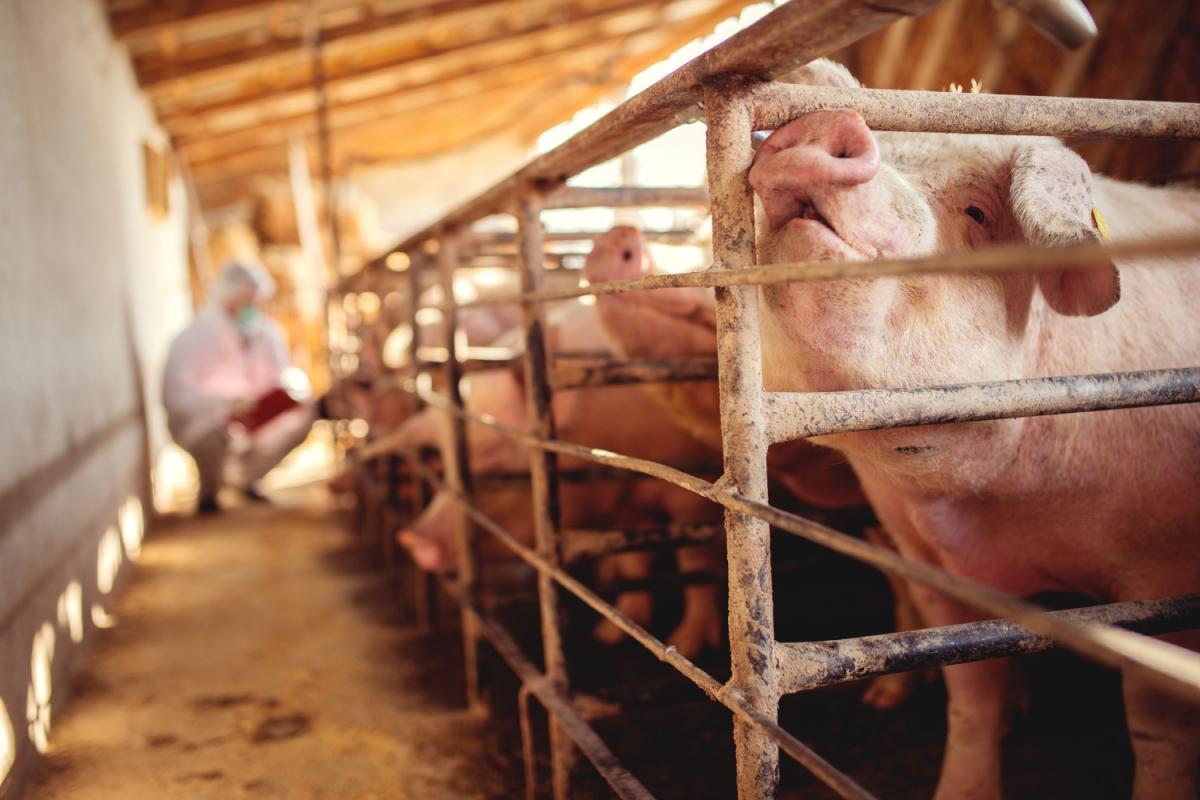
African swine fever has caused huge economic losses in Poland over more than a decade, which have already exceeded 20 billion zlotys (around €4.7 billion) in economic terms. This includes not only the direct costs of the liquidated pig herds, but also compensation to farmers, biosecurity investments, the consequences of trade restrictions and indirect losses along the supply chain.
The epidemiological situation on farms at the beginning of 2026 was exceptional – for the first time in many years, no outbreaks of ASF were recorded in pig holdings. This has been attributed to stricter biosecurity controls and farmer adaptation, but the virus persists in the wild boar population and therefore remains a threat to the sector.
Despite the temporary epidemiological stability, the pig sector has experienced a structural decline throughout the ASF period. During the 10 years of African swine fever in Poland, the number of pig holdings fell from around 200,000 to 50,000, a fourfold reduction. Over a longer period, from 2002 to 2020, the number of farms has fallen by as much as 89%, leaving only larger and more specialised farms on the market.
At the same time, the total number of pigs in the country has also fallen sharply. Whereas in 2010 Poland had around 14.8 million pigs, in recent years the number has stabilised at 9 million pigs, which means a reduction of almost 40% in the size of the herd.In 2023, the country had around 8.3 million pigs on around 50 000 farms. The average herd size was around 165 pigs.
The impact of the disease is also reflected in the scale of specific outbreaks. For example, by 2021, ASF had been detected in 450 farms, of which around 350 were small farms with less than 100 pigs. The largest infected farm had almost 16,000 pigs.
Due to the constant threat of disease, rising biosecurity costs and low profitability, many small farms have closed down and production is concentrated in larger, industrial-type complexes. This process is accompanied by increasing imports of piglets from other EU countries.
Thus, although no new outbreaks of the disease have been recorded on pig farms at the beginning of 2026, the overall economic and structural impact of ASF remains very high. Almost half of the pig herd has been lost for more than a decade, most small farms have withdrawn from the market, and the total damage to the economy is estimated at around €4.7 billion.
In Lithuania, for its part, ASF has led to significant losses in the sector since 2014, with outbreaks leading to the destruction of around 78,000 pigs on farms and a reduction in the total number of pigs to around 550,000. During this time, the number of small farms has decreased by around one fifth and more than 90% of all pigs in the country are now kept on large, industrial farms. As in Poland, the virus continues to circulate in the wild boar population, so that even though the number of outbreaks on farms has decreased, the sector remains shrunken and structurally altered.
Similar articles


Video