

























































VMVT reminds animal transporters: cold is as dangerous as heat
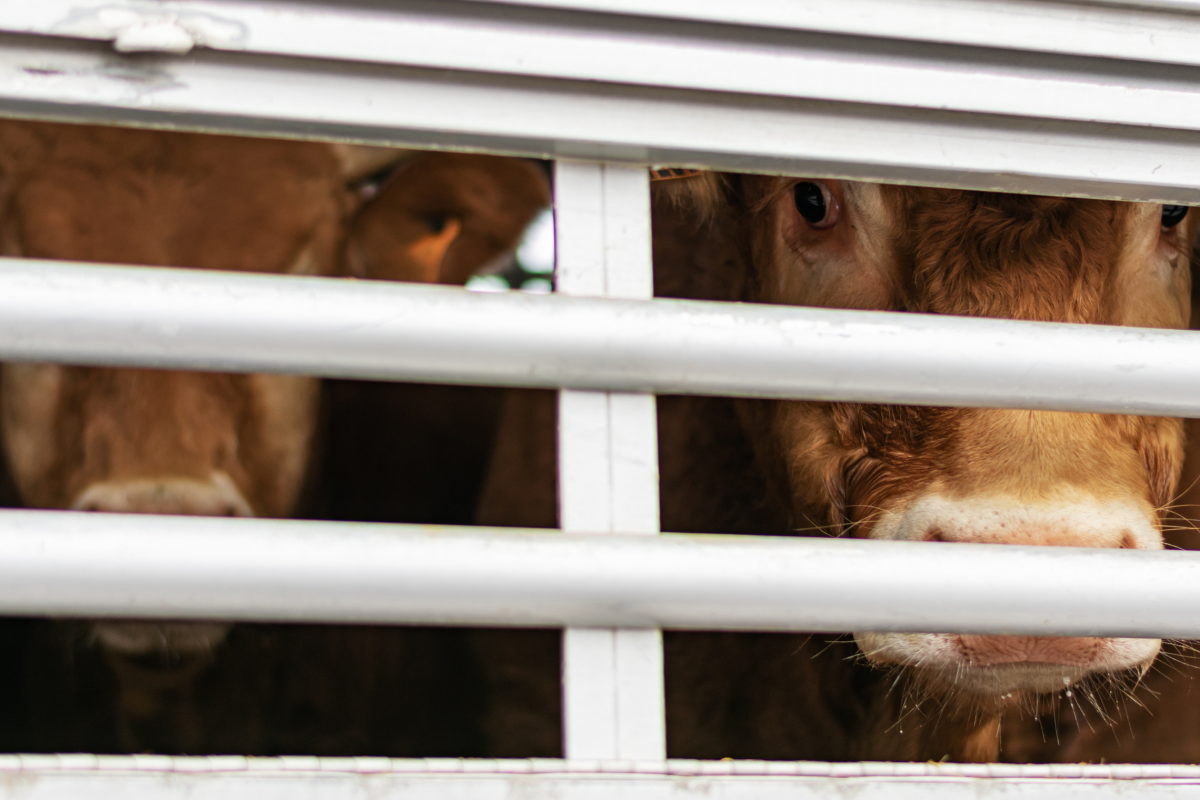
Although the big freeze is receding, sub-zero temperatures still persist, so hauliers must pay special attention to the welfare of their animals. The State Food and Veterinary Service (SVVT) reminds that cold, like heat, is also a risk for animals, so it is important to consider the weather conditions and potential risks when planning your journey.
The VVMT recommends that, if possible, transport of animals should be postponed during the cold season, or that journeys should be planned to take place during the warmest times of the day, even if they are short trips.
Only for long animal journeys of more than 8 hours, there is a mandatory temperature in the vehicle of between 5 and 30°C, which must be maintained throughout the journey. For short journeys, there are no specific temperature requirements in the legislation, but animals must be protected from harsh weather conditions, extreme temperatures (≤ -30 ºC) and adverse climatic changes.
Nurslings are particularly susceptible to the cold, as well as hairless or short-haired animals that do not have an undercoat, which naturally protects them from low temperatures.
Vehicles must be designed to protect transported animals from cold winds, draughts, rain and snow, while at the same time providing adequate ventilation to prevent the accumulation of moisture. The floor surface should be dry and non-slip – more bedding is recommended during cold weather and animals should not be kept on metal, frozen surfaces.
The condition of the animals must be assessed before the journey – only healthy, disease-free and frost-free animals should be transported.The HSE recommends that animal transporters should:
- reduce travel time as much as possible;
- avoid loading and unloading in high winds or precipitation;
- group animals appropriately, as small groups of animals may be more susceptible to frost.
General animal welfare requirements for the transport of farm animals during the winter period include the following:
- taking care of the physical condition of the animals before and during the journey;
- protect animals from cold, wind and moisture;
- ensure a suitable temperature and microclimate in the means of transport;
- use properly equipped transport;
- monitor the animals at all times throughout the journey.
The HVO urges animal transporters to act responsibly and to assess weather conditions, as proper planning and prevention is the most important tool to ensure animal welfare during the cold season. In the event of any inappropriate transport of animals, the VMVT (tel. 1879 or +370 5 242 0108) or the police should be informed immediately.

Similar articles


Video