





































VVT discusses alternatives to reduce discomfort for castrated piglets
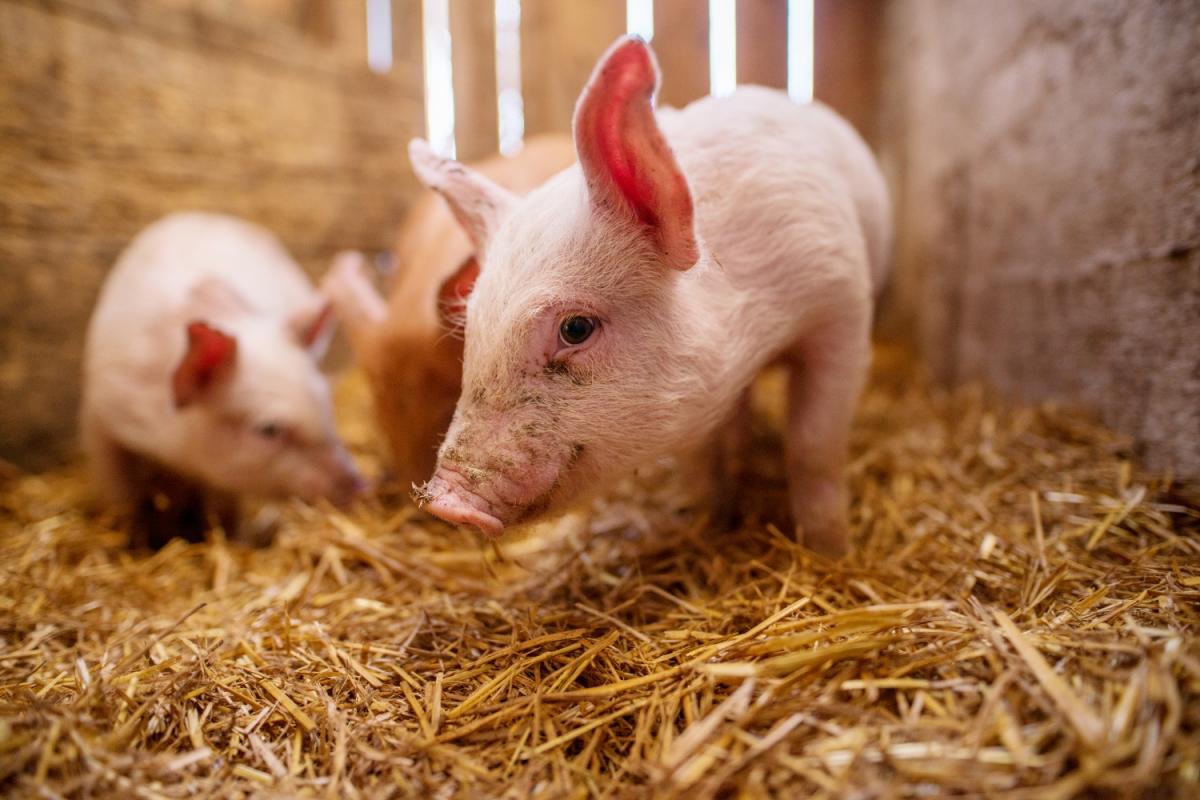
A working group of the State Food and Veterinary Service (SVVT) on welfare and protection of farmed animals met yesterday to examine the experiences of other countries in relation to the EU's exemption from the practice of castration of piglets up to 7 days of age without anaesthesia, and the possible alternatives to this practice.
During the discussions, the members of the Working Party agreed that the most potential long-term alternative to reduce the discomfort experienced by piglets could be to not castrate piglets. This was identified as the most favourable from an animal welfare point of view and the most promising in the current context of the development of the pig industry.
Castration of piglets is used to prevent unwanted behaviour, to improve the quality of the meat and to reduce the likelihood of the specific odour of the piglet“. The pig sector informed that the long-term strategy of the sector is to reduce the risk of this odour by all possible means. Therefore, genetic selection of pigs has been carried out for some time on an experimental basis in order to breed lines whose piglets reach the sales weight before they reach sexual maturity, resulting in a meat with as little of the specific odour of the pig as possible.
In the view of the industry, fully implemented genetic selection could provide a basis for preparing for the non-castration of young piglets. However, it was stressed that at present all the relevant links, including farms, meat processors, traders and consumers, are not yet ready for this.
In the opinion of the scientists who participated in the meeting, there is currently insufficient scientific evidence to state unequivocally which practice is better: castration without anaesthesia, alternative methods (such as, immunocastration) or castration with anaesthesia, as all practices may have negative consequences for young piglets, consumer tolerance, etc.
The next meeting of the working group is scheduled for January 2026, with a view to involving representatives of meat processors, traders and other stakeholders in the discussions, in particular when considering the non-stoning alternative.
On 16 December, representatives of the Ministry of Agriculture of the Republic of Lithuania, the Association of Veterinary Surgeons of Lithuania, the Council of the Chamber of Agriculture of the Republic of Lithuania, the Lithuanian University of Health Sciences, the Lithuanian Association of Pig Breeders, and representatives of other associations of livestock farmers participated in the meeting of the Working Group.The activities of the Working Group are organised by the Animal Welfare Division of the MoHVT.
A representative of the public enterprise „Tušti cages“ informed in a letter dated 16 December 2025 that she withdraws from the working group and did not participate in the meeting.

Similar articles
Video