























































The Ministry of Agriculture also fell short of €0.5 million for farmers affected by frost
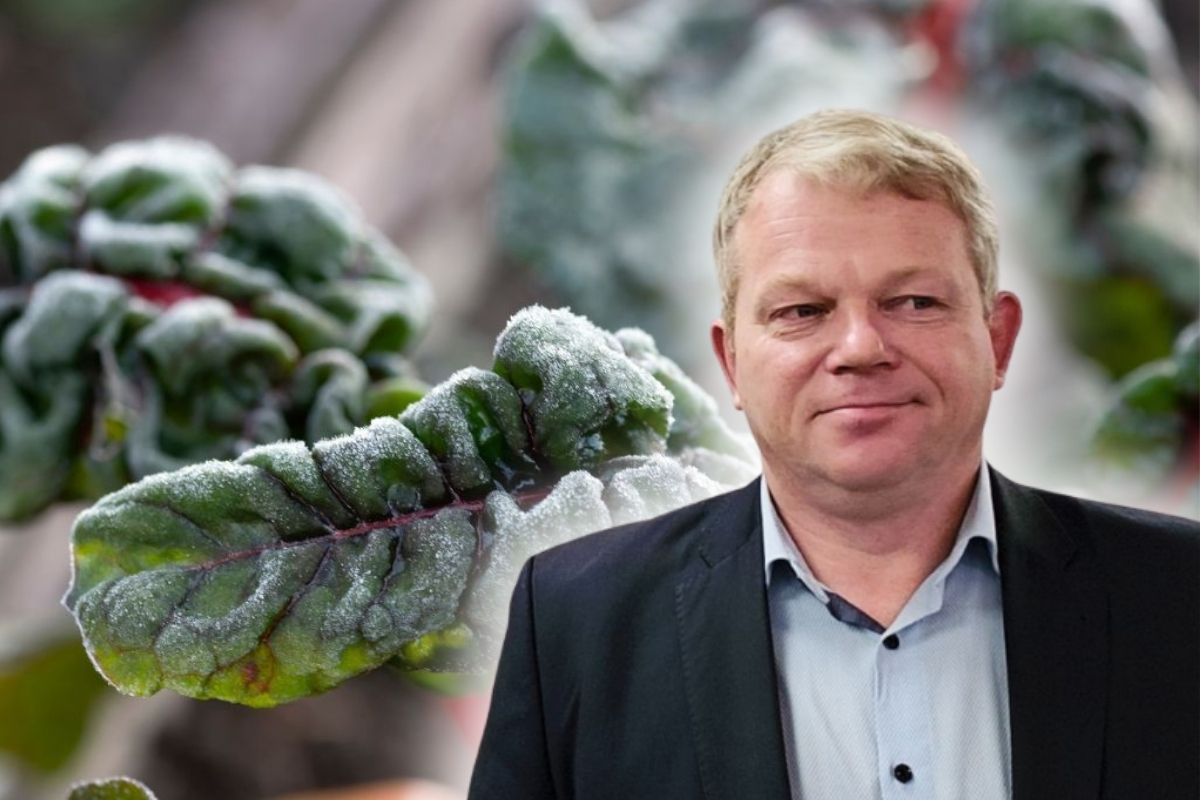
Not long ago, the Ministry of Agriculture, headed by Andrius Palionis, fell short of €20.5 million for farmers who had made commitments under the measure "Investments in agricultural holdings" of the Lithuanian Rural Development Programme, and now it is clear that farmers affected by the frost are also short of money.
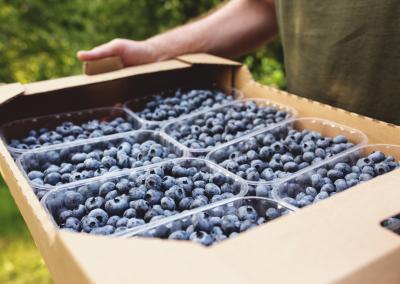
Euro 3.3 million has been earmarked to compensate orchard and berry growers for losses caused by the spring frosts, while farmers are short of a total of €0.5 million, says Deputy Agriculture Minister Gediminas Tamašauskis.
„Lithuania has been allocated €1.1 million for compensation by the European Commission (EC), while at the same time it was told that the country could contribute up to 200% of the compensation from its national funds, so the total amount of compensation for orchard and berry growers has been earmarked at €3.3 million," Tamashauskis said at a meeting of the Committee on Rural Affairs earlier this week.
As Committee Chairman Bronis Ropė pointed out, the need for compensation for farmers who suffered losses to their orchards or berry-growing areas due to frost was €3.8 million, while the basket of compensation foreseen was €3.3 million, leaving a shortfall of €0.5 million to meet farmers' needs.
„The remaining half a million euros will come from the state reserve?“ – asked B. Ropė.
„No. 3.3 million euros are earmarked for compensation for orchards and berry-gardens. Applications have been submitted for €3.8 million, as the amount of demand exceeds the possibilities – everything will be recalculated proportionally and the payment of compensation will be slightly reduced“, – said the Vice-Minister.
He said that the affected gardeners and berry growers should receive their compensation by the end of the year – the National Paying Agency (NPA) is already ready for the distribution of the expected funds.„Then the rules were drawn up, applications from affected farmers were collected in accordance with the EC Regulation and the compensation is expected to be paid out by the end of this year“, – said G. Tamašauskis.
„I have checked with the NMA and it is already preparing to make payments in the near future and to distribute the compensation according to the amount of funds available“, – he added.
Cereal growers were also affected by the frost – they will be compensated from the reserve
Farmers who grow cereals such as oilseed rape were also affected by the frost in the spring, Mr Tamashauskis said. These farmers will also be compensated, although this will be paid from the state reserve, and the Ministry of Finance will calculate the amount of compensation to be paid.
„The impact of the frost has also been felt by cereal and oilseed rape growers. Information has been gathered that some part of the crop froze on almost 9 000 ha in 18 municipalities in Lithuania. The municipalities are assessing this case, collecting all the information and will submit their conclusions to the Ministry of Finance, which will use the state reserve to compensate the farmers for the losses they have suffered," the Deputy Minister said.
He said the ministry has not calculated the amount of money that will be allocated to cover the losses of these farmers at this time.
„The amount to be compensated to frost-affected cereal farmers is not known at this time. The Ministry of Agriculture has not provided any calculations of its own, the situation will be assessed by the Ministry of Finance and it will allocate funds from the state reserve," summarised Mr Tamashauskis, adding that the EC did not allocate any funds to compensate for the crop losses because the extent of the damage was too small.
ELTA recalls that the Government declared a state emergency at the end of May due to the spring frosts, which severely affected berry and early vegetable crops.
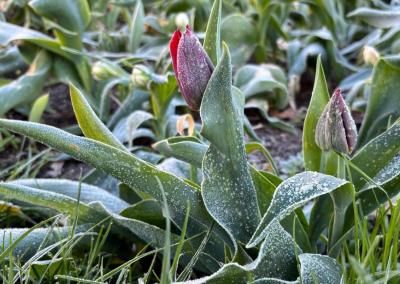
After a record warm second decade of April, the active growing season in almost all parts of the country started almost two weeks earlier than normal, but then temperatures plummeted and the country experienced severe and prolonged frosts.
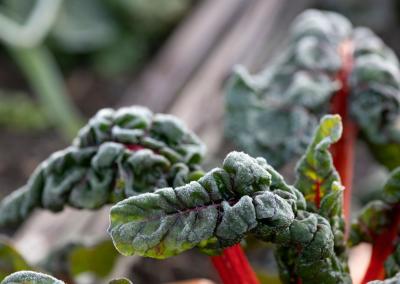
This adverse weather caused severe damage to gardens and berry-gardens, many of which were already flowering and in some places bearing early fruit.

Similar articles



Video