






















For farmers working below cost price, the MAF says: "There are no separate measures"
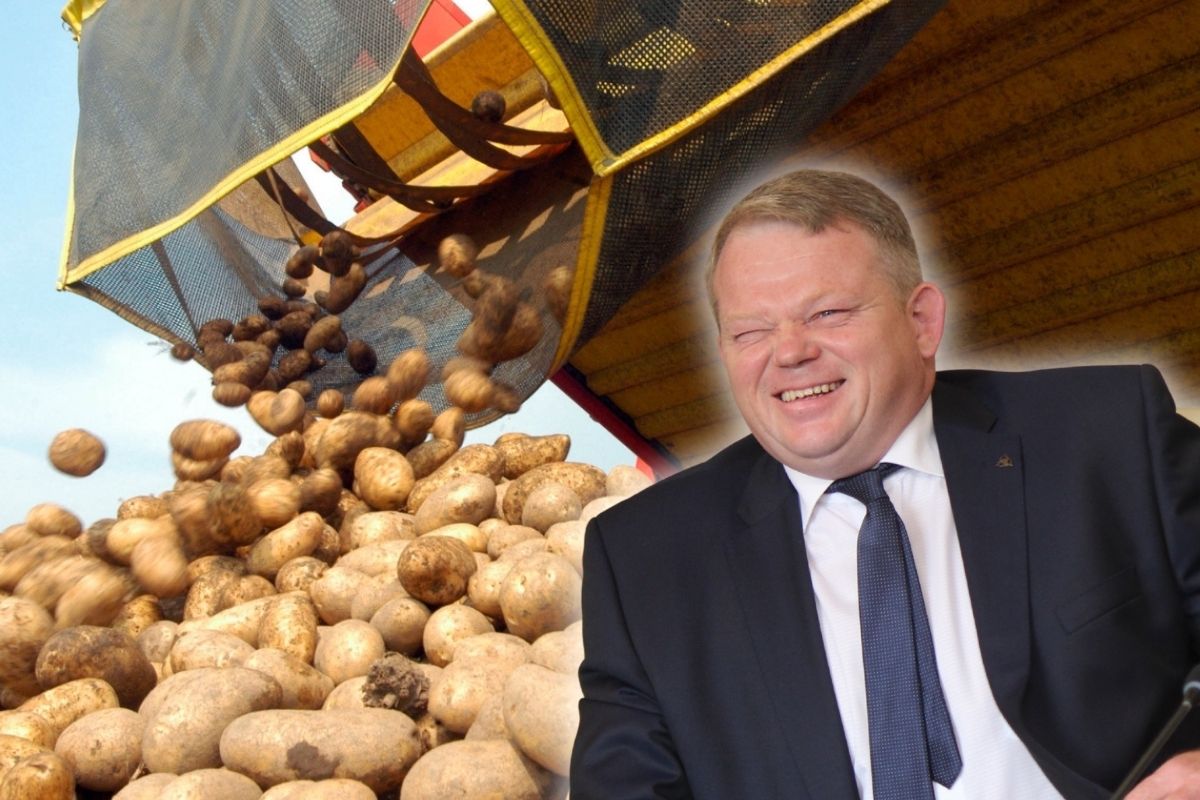
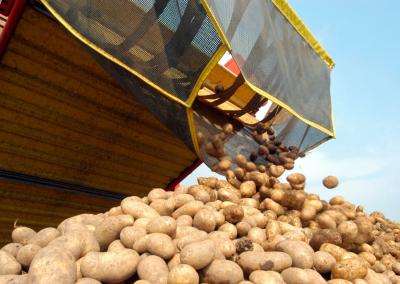
The Lithuanian potato sector is facing a very difficult situation this season with low prices, a surplus on the European market and increasing imports. Growers are openly talking about working below cost, considering withdrawing from the National Quality Product (NQP) scheme or even giving up potato production altogether. At the same time, the Ministry of Agriculture (MAA) admits that there are no stand-alone measures for the potato sector.
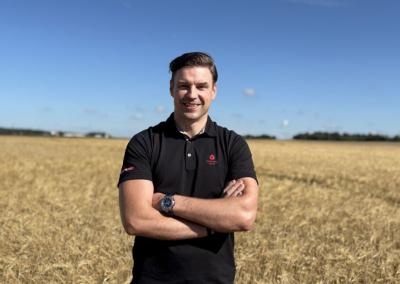
Derlus is not satisfactoryPotato farmer Edas Sasnauskas has not planted any early potatoes at all this year. His farm only grows food potatoes – about 125 ha. The average yield was around 30 tonnes per hectare, but he says that this is not satisfactory.
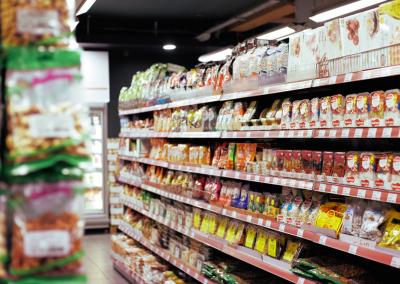
„Sales are difficult because the market is flooded with potatoes from Poland and Germany – cheap, of uncertain origin, grown under uncertain conditions and treated with chemicals. In Lithuania it is forbidden to use such substances, but such potatoes still end up in supermarkets," says E. Sasnauskas.
The potato glut on the European market is putting pressure on the whole sector. This is particularly reflected in prices.
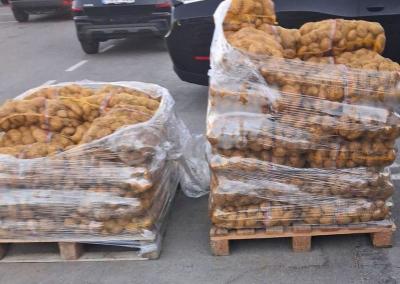
„We have no price – because we can't even put them on the market. And in the shops we see 19 cents per kilo. When the cost of potatoes is 22–25 cents, this is clear price dumping. This is killing off the rest of Lithuania's farmers," says the grower.
Left the NFP system after 15 years
E. Sasnauskas claims to have withdrawn from the NKP system after 15 years of participation. The main reason was the requirement to use at least 30% certified seed.
„This is a corrupt arrangement. In 2022, the Ministry of Agriculture has introduced such requirements that farmers can no longer realistically participate. If I had complied with them this year, my loss would have been around €150,000," says the farmer.
He said that this requirement „closes the door“ to local growers and favours seed importers. What are his plans for the future? Does he intend to reduce the area under potato cultivation?
„50/50 we are considering whether to plant potatoes at all. It's impossible to work at these prices," he says bluntly.
Working below cost
Another potato grower – Linas Pukelis – has dedicated 30 ha to early potatoes this year. The crop was hit by frost three times in the spring and the harvest was delayed, but later, according to the farmer, it was „normal for an early potato“.
In total, his farm produces about 208 ha of potatoes. However, marketing is also difficult.
„Low price, not many people need it, so the situation is difficult. We are under very strong pressure from the EU surplus – we are selling well below cost price“, – says L. Pukelis.
He is still involved in the NCP system, but is considering leaving.
„The 30% certified seed requirement is very expensive. We get less out of the system than it costs us," he says, adding that if the situation does not change, he will reduce his potato acreage.
But it will not be possible to make significant reductions because of the various commitments he has.
Association: early to declare crisis, but risks are high
Paul Andriejavas, chairman of the Lithuanian Vegetable Growers Association (LDAA), confirms that the potato surplus in Germany and Poland is having a direct impact on Lithuania as well.
„Since October, both Germany and Poland have been dumping potatoes, especially on farms without storage facilities. This was also reflected in Lithuanian supermarkets – you could find Polish, Belgian potatoes“, – he said.
According to Mr Andriev, the current cold weather is slightly adjusting prices, as some farms are losing marketable quality produce, but it is too early to talk about a return to the price levels of previous years.
„Crisis – may be too strong a word, but the risks are many. We will see in the near future whether the farms will be able to recover financially," says the head of the association.
When it comes to the changes in the PCP system, he says that there is no clear-cut assessment, but that the situation needs to be corrected – there is a need to talk about potato seed, pricing as well as certification.
„There are issues, they will be resolved in time. Hopefully, things should normalize," concludes the LDAA President in a hopeful manner.
Ministry: no separate measures for potatoes
The MAFF points out that in this programming period, NPC potatoes are supported through the organic scheme „Sustainable Fruit, Berry and Vegetable Programme (SFP)“, which has a compensation payment of €337/ha. Procedures are currently underway to establish a separate compensation rate specifically for NKP potatoes.
However, the MAFF acknowledges that there are no separate measures for the potato sector alone. The focus is on the whole fruit and vegetable sector, with common investment, insurance and risk management measures.
When asked by the Ministry whether there was any perceived retreat of farmers from the PCP scheme, the Public Relations and Cooperation Unit indicated that, comparing the 2024 and 2025 data, the number of PCP potato producers remained similar (45 and 46 respectively), and even production volumes were increasing – 2024 yields of 7,394.6 t, 2025 yields of 7,287.9 t.
However, potato growers themselves believe that without real economic solutions – a review of prices, import controls and PCP requirements – the future of the sector remains very uncertain.
While the statistics are being counted in the classrooms, the losses are being counted in the fields. If no solutions are forthcoming, this could be the last season for some potato growers.

Similar articles
Video