
















































New CBAM tax on farmers' shoulders: Lithuania is still developing its position
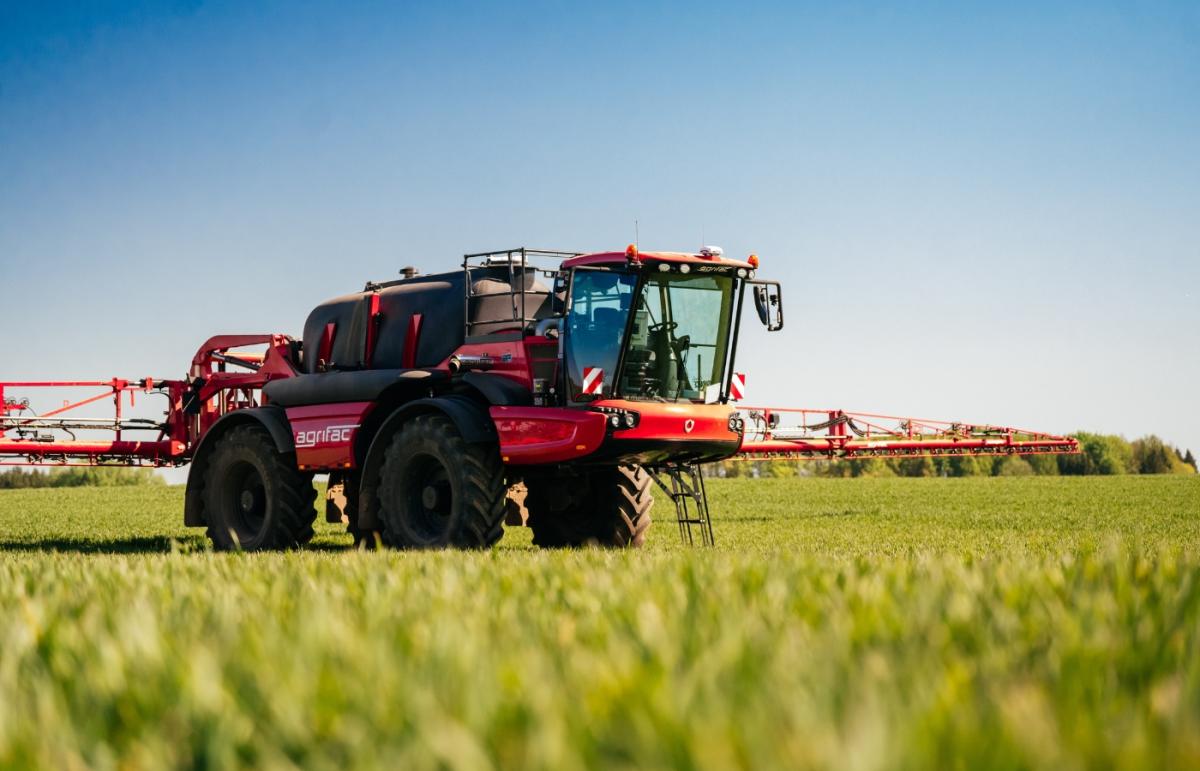
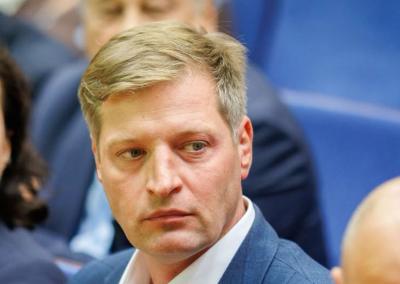
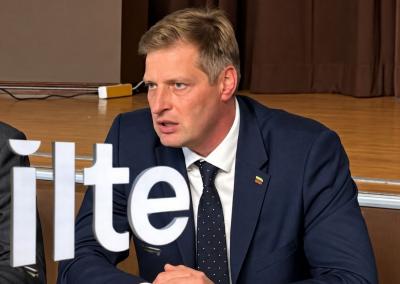
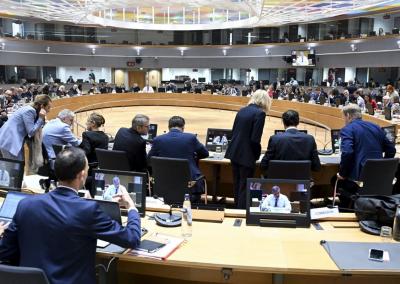
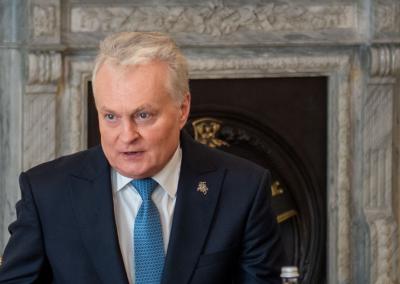
With farmers voicing their concerns about the new Carbon Border Adjustment Mechanism (CBAM) tax, Finance Minister Kristupas Vaitiekūnas assures that the Government takes the position of the country's agricultural representatives seriously and will take it into account in the discussion at the European level.
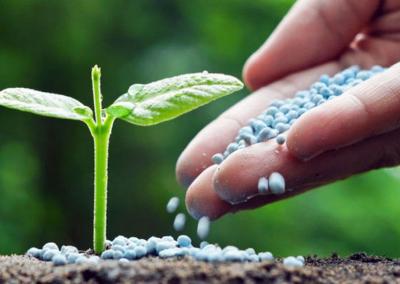
„The issue is being dealt with at the European level, and what Lithuania's position will be – we will see. It is true that farmers have been very clear about the risks they see in the price of fertilisers, and we are taking them seriously," Vaitiekūnas told reporters this week.
„When it comes to having a position in the European context – we will certainly have one. (...) We understand that their situation is not an easy one," the Finance Minister said.
According to him, the Cabinet of Ministers is also aware of the difficulties that farmers face in accessing loans for working capital.
K. Vaitiekūnas said that the Ministry of Finance is looking into the possibility of providing this service through the national development bank ILTE, but that this is hampered by the regulatory mechanisms of the European Union (EU).
„So far, farmers do not have access to working capital loans through ILTE. We are working on this issue and trying to respond to farmers' needs, but the issue is not very straightforward because of European regulation. It is true that work is being done in this direction," said the Cabinet Member.ELTA recalls that Prime Minister Inga Ruginienė met on Friday with representatives of the Lithuanian Farmers' Union (LFA) at the Government to discuss the CBAM tax, which Lithuanian farmers are expected to start paying in the near future.
However, after the discussion with the farmers, Ms Ruginienė said that she believes that the entry into force of this tax should be postponed.
The Head of Government also discussed the issue of ILTE preferential loans and the falling milk prices. The latter was proposed by farmers to be addressed by applying to the European Commission (EC) for targeted support from the crisis reserve and by reducing the administrative burden.

Similar articles

Video