










































































No breakthrough on the dairy market: pressure on farmgate prices persists
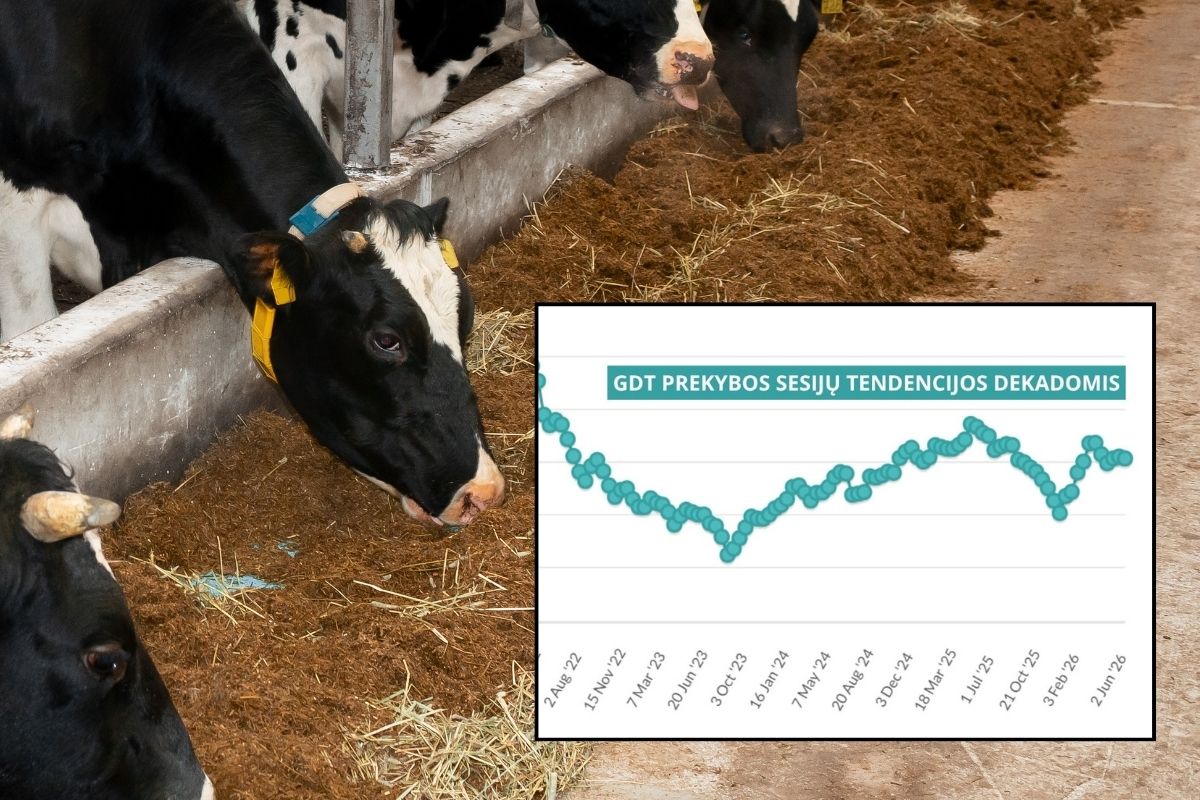
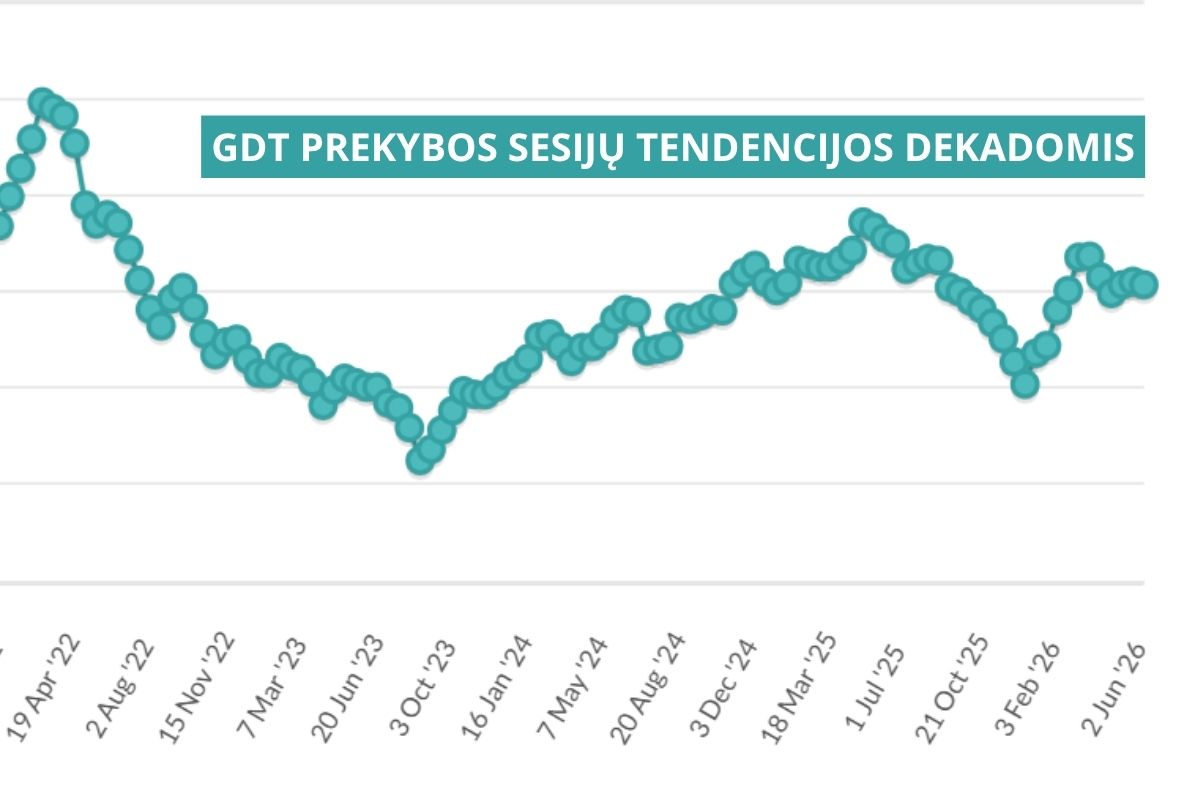
The global dairy market is under increasing pressure from dairy producers. Data from the last trading session of the dairy trading floor "Global Dairy Trade" (GDT) signal to dairy producers that better milk prices will have to wait.
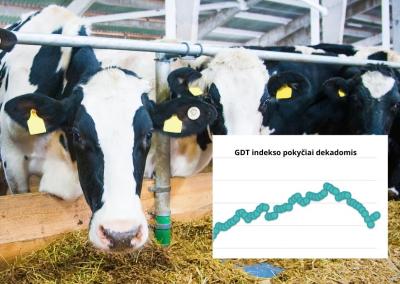
During the trading session on 2 June, the GDT index fell by 0.6% to 1,214 points.
This is not a critical signal for the market as a whole, but it shows that the dairy market is still failing to make a breakthrough and that the pressure on raw milk procurement prices is expected to continue.
The GDT index has made slight gains in the last two trading sessions (1.5% and 0.6%, respectively), but these have not compensated for the negative values recorded before, when the index fell by 3.4% (7 April) and 2.7% (21 April).
Thus, the negative development of the index in the session of 2 June does not yet point to positive developments, at least in the short term.
The results of the GDT platform for the Oceania area will reach Europe in approximately 1.5-2 months. GDT is not a direct price forecaster for Lithuania, but it reflects the general mood of the global dairy market.
In our country, a few large processors control the majority of the milk procurement market, which creates the appearance of an oligopsony market. However, the power of processors should not be overestimated – low farm gate milk prices are also due to the weak bargaining power of farms.
Some Lithuanian dairy cooperatives operate mainly as collecting and marketing organisations for raw milk. This model allows for stronger bargaining power, but creates limited opportunities for generating additional added value for members, as cooperatives are not involved in the higher stages of the value chain, such as milk processing and the marketing of final products.
The global market remains sufficiently supplied with dairy products, so there are no factors that could significantly drive up prices at the moment.
As Lithuania's dairy sector is export-oriented, in the long term the direction of farm-gate milk prices is primarily driven by global dairy prices, while the market structure is more influenced by the way the value created is distributed among the actors in the chain.

Similar articles
Video