
































Global milk market signals growth, in Lithuania prices are quietly going down
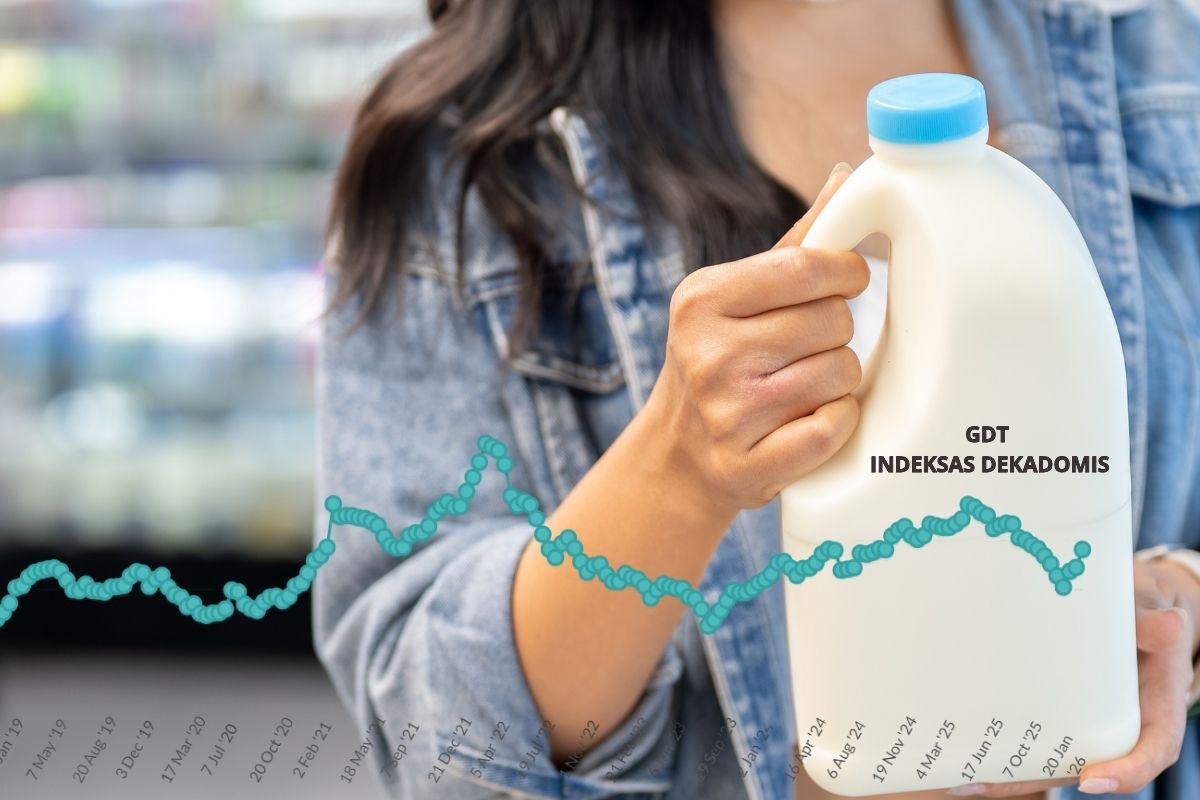
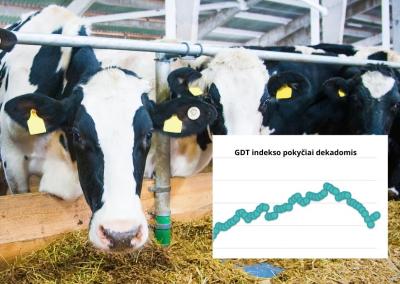
During the last trading session, the dairy trading platform „Global Dairy Trade“ (GDT) is showing growth for the third consecutive decade. During the trading session on 6 February, the GDT index rose by as much as 6.7 percent to 1,161 points.
The GDT index data shows that there has been no such impulsive growth for almost 4 years. Notably, the GDT index has recorded growth for the third trading session in a row. On 6 January the index rose by 6.3% and on 26 January by 1.5%. Thus, it can be argued that the demand for dairy products on the global market has become more or less sustainable.
During the last trading session, all products, without exception, became more expensive. The stunning growth was demonstrated by skimmed milk and wholemeal flours, which have a significant impact on the market (+10.6% and +5.3% respectively).Butter rose by 8.8% and butter flour by 6.4%. Price increases were also recorded in cheese. Cheddar cheese rose by 3.8% and Mozzarella by 10.6%.
The dairy trading platform GDT is owned by the New Zealand cooperative „Fonterra“ and the trends recorded in the Oceania zone will reach Europe in about 1.5-2 months.
What are the preliminary conclusions?
Interestingly, world raw milk production has not evolved significantly over the last 2 years. According to the FAO, production in 2024 was estimated at 982 million tonnes (+1.4% more than in 2023), while for 2025 a 1% increase (around 992.7 million tonnes) was projected.
Does the positive development in the GDT trade, where we see an increasing demand for dairy products, also have an impact on farm gate milk prices? At least that is what dairy producers should reasonably expect.But the situation in Lithuania, unlike other European markets, is still deteriorating. According to revised „Eurostat“ data, the average farm-gate milk price in Lithuania in December 2025 was EUR 43.19 per 100 kg of raw material. This figure puts Lithuania in second to last place in the European Union in that month.
In Poland, the average farm-gate milk price in December last year was €47.58, in Latvia €45.02 and in Estonia €49.82.
An assessment of the price range of neighbours in the second half of the year is also relevant. In Latvia, for example, milk purchase prices have been rising and falling between €45.02 and €50.11 since July 2025. In Estonia, prices were even more stable, fluctuating between €49.82 and €50.82 per 100 kg during the half-year. In Poland, these prices were spread over a range of €47.58-53.36.
In Lithuania, the price volatility was higher than in neighbouring markets.
Lithuania prices are moving downwards
From the beginning of 2026, milk purchase prices have fallen even further, especially for small and even medium-sized farms, as farmers share on the social network „Facebook“. Although some milk producers claim to be paid a price of 10-15 cents per kg, such reports are usually not documented.
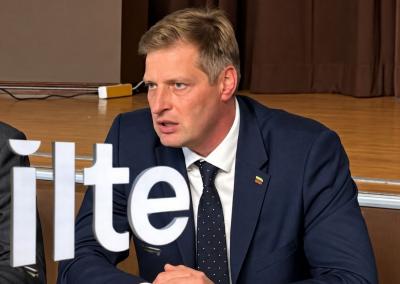
The Ministry of Agriculture, as an agricultural policy maker, seems to have to find leverage to make milk buyers treat milk producers more fairly. Unfortunately, Minister Andrius Palionis has so far been more of an observer and there are no solutions to improve the situation of milk producers.
The Minister speaks of possible support for milk producers being discussed in Brussels, but there is no real change as yet.
Even the situation of the cooperative „Žalioji lanka“ illustrates the distorted market situation. In mid-December, its director, Nijolė Barkauskienė, was informed that from January one of the country's largest processors, „Rokiškio sūris“, would no longer buy milk from the cooperative, and that the contract would only be valid until 14 February.
In Lithuania, the dairy processing market is highly concentrated in the hands of a few large companies and even co-operation does not seem to be helping to strengthen farmers' bargaining power.
Slightly earlier, none of the dairy processors, although they were contacted, commented to „Agrobitei“ on the situation regarding the significant reduction of raw milk purchase prices.

Similar articles
Video