




































The number of cows on small dairy farms in Moldova has decreased by 95%. What are the lessons for Lithuania?
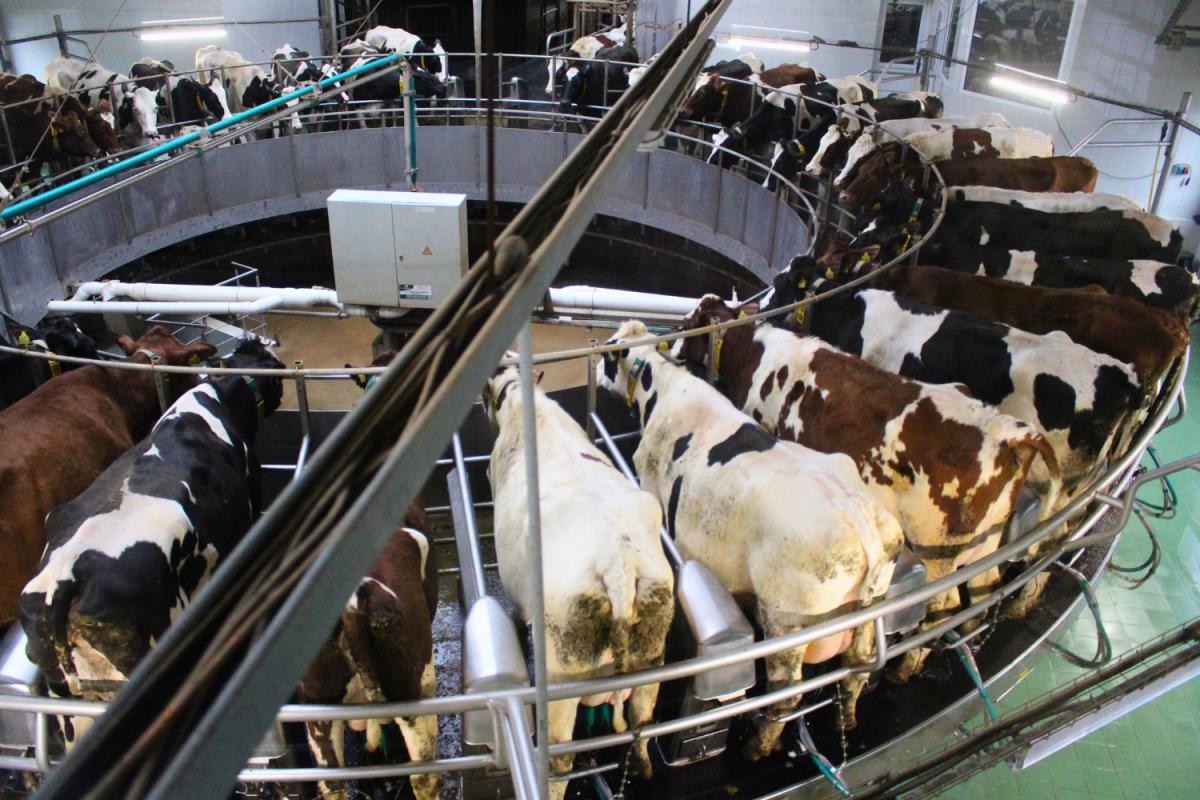
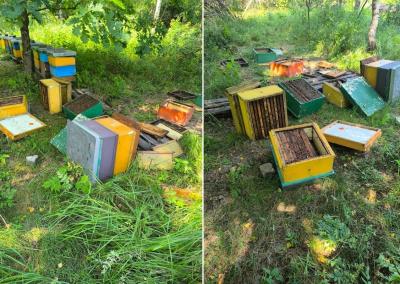
The past year in Moldovan agriculture has been a vivid example of how a sharp increase in production costs can fundamentally change the structure of the entire dairy sector in a short time. In a country where small dairy farms have been the backbone of the sector for decades, they have in a few years become economically irresponsible to market pressures and have virtually lost their structural importance.
In Moldova, the number of cattle kept on small farms has fallen by around 95% to around 70 000. Exact figures on the number of dairy cows on these farms are not available, as official statistics usually refer to the total number of cattle. However, looking at the overall structure of dairy farms in the country, the total number of dairy cows in Moldova is around 150,000 animals.
The main reason for the withdrawal of small farms from milk production is the drastic increase in feed prices. Since 2021, cereal and compound feed prices in Moldova have risen by 40–70 percent, and in some periods exceeded €300 per tonne. The situation has been exacerbated by prolonged droughts in the southern regions, which have more than halved the yield of natural pastures.
Fodder accounts for up to 70% of the cost of milk, making the maintenance of a single cow in Moldova about €900–1 100 per year. At the same time, the farm gate price for raw milk was just €0.40 to €0.45 per kilo and has been rising much more slowly than production costs. This economic disparity led to losses on small dairy farms and forced families, who did not have the financial reserves or the capacity to invest in efficiency, to abandon dairy farming.In Lithuania, the structure of the dairy sector is different, but the economic logic remains very similar. In Lithuania, in 2022–2024, compound feed prices had risen to €280–350 per tonne, and in some periods even higher. Feed accounts for around 60% of the cost of milk production, so even temporary price spikes have a direct impact on the profitability of farms.The cost of keeping a cow per day in Lithuania, depending on the level of technological development of the farm, is around €1,600 to €2,000 per year. At the same time, in 2024, the average farm gate price for raw milk will be around €0.45–€0.50 per kg– only slightly above the Moldovan level, but with significantly higher labour, investment and environmental costs. In the second half of 2025, milk purchase prices in Lithuania fell further, with some small farms paying less than 20 cents per kilogram for raw milk.The number of cow farmers in Lithuania has more than tripled in the last 10 years, from around 60,000 to less than 20,000 farms. Although the overall milk production in the country has fallen less drastically, the place of small farms in the market has gradually been taken over by larger, more capitalised farms. The logic of this process is very similar to what has already happened in Moldova.
Moldova's experience shows that the transformation of the dairy sector can be very rapid if the state does not have effective mechanisms for small and medium-sized farms to absorb sudden cost shocks. Farmers producing at least 130–150 kg of milk per day receive state subsidies of around 15 euro cents per kg. This helps to stabilise incomes, at least to some extent, and to slow down the withdrawal of farms from the sector.
The benefits for Lithuania are clear. Sharp increases in production costs, in the absence of compensatory measures, are the first to destroy small farms, even if overall milk production remains stable in the short term. In the long term, this leads to a rapid concentration of the sector, greater dependence on a few large producers and reduced rural viability. The Moldovan example shows that the sustainability of the dairy sector depends not only on market prices but also on the ability of the state to react to structural shocks in a timely manner.
If these lessons are not learnt, Lithuania risks repeating the same path – only slower, but with the same long-term consequences.

Similar articles
Video