
































Milk is getting cheaper, cows are being exported: is Lithuania deliberately destroying dairy farms?
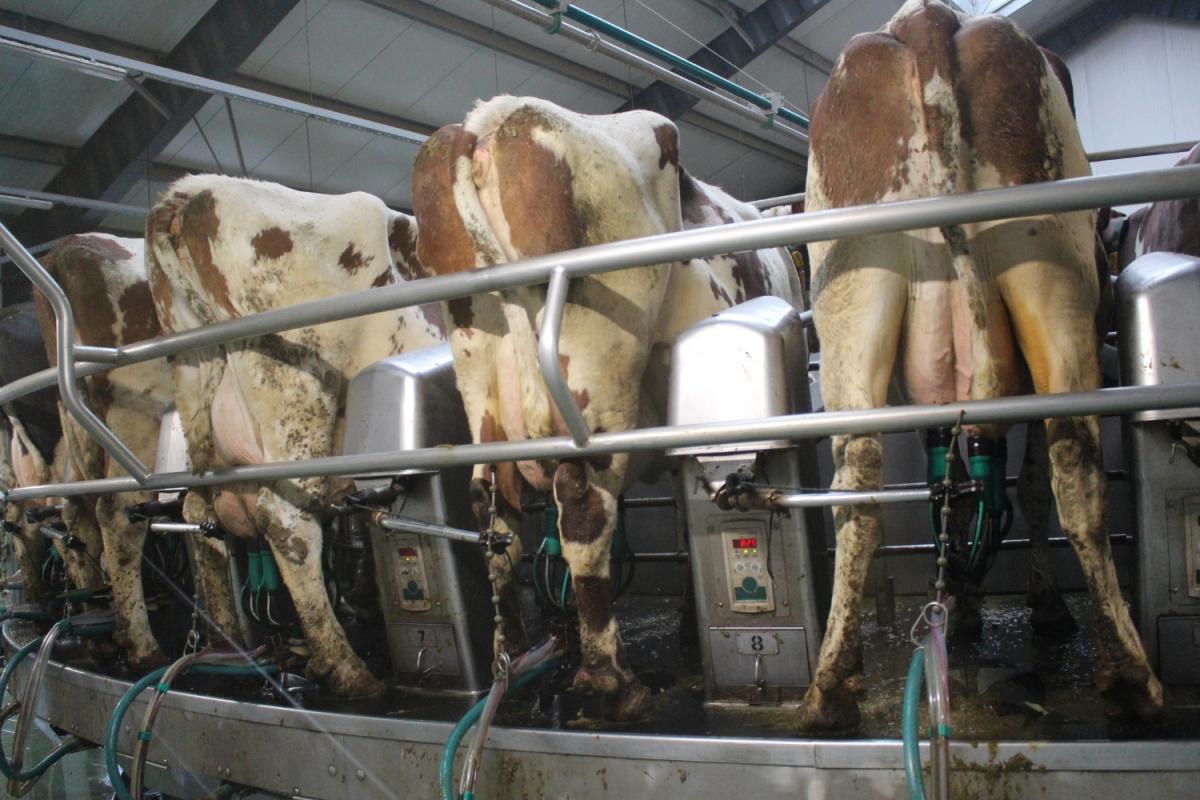
Late last year, milk producers received news that became not only unpleasant but also existential for many: AB „Žemaitijos pienas“ informed them that from January 2026, the purchase price of milk will be reduced by EUR 25 per tonne. This is not a cosmetic adjustment, but a real blow to farms that are already on the verge of breaking even.
„Why is this happening? Is the intention to make Lithuanians stop rearing cows altogether? So many dairy products in the shops – what will they be made of?“ – in a closed „Facebook“ group, dairy farmers were angry. The portal „Agrobite“ tried to get explanations from the major dairy processors, but none of them answered the questions why the purchase prices are being reduced now. There is a growing conviction in the farming community that this could be another – or maybe the last – nail in the coffin of dairy farms.
Farmers: when price no longer covers cost, no choice„I suggest you come to my barn and try to tell the cows to start producing milk more cheaply – maybe they will eat or drink less“, – Jonas Vilionis, President of the Lithuanian Milk Producers' Association (LPGA), says wryly. Dairy farming is an ongoing process, he says, with costs that do not go down: feed, electricity, wages, veterinary care.
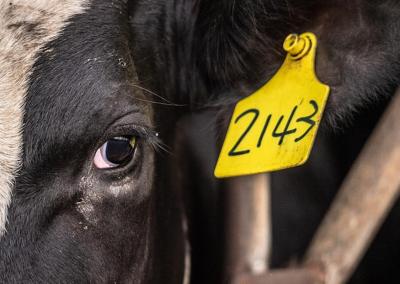
„If the purchase price no longer covers the cost price, it is not economically viable to keep cows. In October alone, around 3 500 cows were moved out of Lithuania. Large farms today receive around 32 ct/kg, cooperatives 25–27 ct/kg and small farms just 10 ct/kg. This is not a sustainable system," stresses Mr Vilionis.
LPGA President also recalls the structural decline of the sector: the number of milk producers in Lithuania has fallen from 257,000 to around 8,500 over several decades. The Association is in talks with the Minister of Agriculture, is preparing an appeal to the President and does not rule out the possibility of protests, recalling that state compensation mechanisms should be in place in the event of a reduction in farm gate prices.
A trend that is no longer random
The representatives of the Lithuanian Association of Medium-Sized Dairy Farms (LAMF) also speak about systemic price pressure. „In the past, prices used to fall in the spring, but now for the last 2–3 years they have been falling in December. This is not a seasonality but a trend," said Renata Vilimienė, who will soon take over as LVPŪA chairwoman.
She says this dynamic is becoming disastrous for family farms. Farms that have already paid off their loans will simply sell their cows. It's not emotion, it's math. If income is lower than costs, there is only one solution," says Vilimienė, adding that as recently as the summer, medium-sized farms were still rejoicing at more stable prices, but this hope quickly faded.
Politicians: no rules – a wild west market
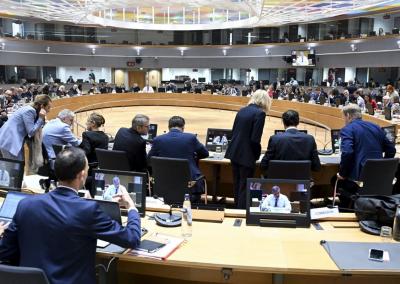
Politicians have also reacted to the situation. MEP Kęstutis Mažeika has publicly warned that without decisive decisions the dairy sector could become history. "If we do nothing, children in Lithuania will only see cows in the zoo," the MP said.
His proposal – to bring producers, processors and traders to the same table immediately and to adopt the Milk Law in the next session of the Parliament. The key idea is to clearly calculate cost price and distribute value fairly along the chain.
„It cannot be the case that all the risk lies on the farmer's shoulders, while the other participants in the chain take their margin and do not bear any responsibility“, – stresses K. Mažeika, proposing to end the practice of the „Wild West“, where small farmers are put at a disadvantage in the negotiating process.
Global prices are rising, but it's not reaching farmers' pockets
Paradoxically, all this is happening at a time when global dairy prices are showing signs of recovery. At the start of 2026, the „Global Dairy Trade“ (GDT) index was up 6.3% in one session, with prices of commodities ranging from skimmed milk flour to butter rising by 3–5%. However, the market remains volatile: the index had previously fallen by around 18% and as recently as November recorded a –3% decline.
European Commission (DG AGRI) data show that the EU raw milk price at the end of 2025 will be in the range of €35–42/100 kg. In Lithuania, the average farm gate price in September 2025 was around €500.8/t (+16.8% p.a.), but a few months later, buyers announced price cuts of 1.5–3 ct/kg.
This reveals a fundamental problem: the positive global signals in Lithuania are getting "stuck" in the value chain, and farmers are the first to feel the pressure rather than the growth.This is not a cycle, but a structural crisis
Taking the whole picture, it is clear that this is not a short-term price fluctuation and not just a market cycle. It is a structural crisis in the dairy sector, where farm gate prices are often below cost, risk is concentrated on the dairy producer, and global signals of price recovery are not reflected in the local market.
Unless there are clear rules, transparent pricing and real value sharing, dairy farms in Lithuania will continue to decline. The question of whether Lithuania is deliberately destroying dairy farms will then become statistical rather than rhetorical.
Similar articles

Video