




























The Brazilian Senate ratifies the agreement between Mercosur and the EU
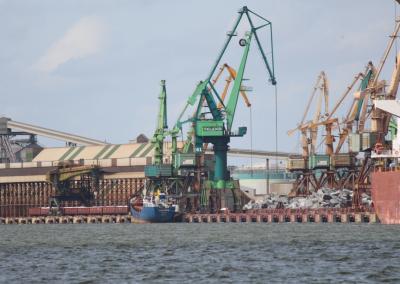
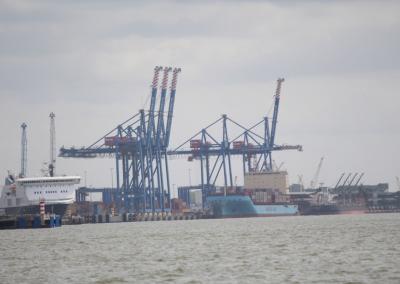
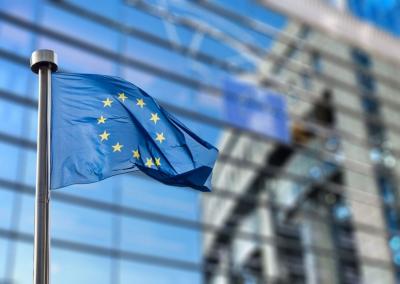
Brazil's Senate on Wednesday ratified an agreement between the Mercosur bloc and the European Union (EU), creating one of the world's largest free trade areas.
The agreement covers the four founding members of the South American trade bloc and has already been ratified by Argentina and Uruguay. The Paraguayan Parliament has not yet done so.
The European Commission (EC) announced last week that it will provisionally implement the huge agreement, pending a ruling by the EU's highest court on its legality.
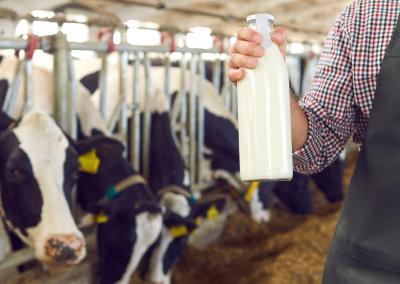
The move has angered France, which has led opposition to the deal and tried unsuccessfully to block it, worried about its farmers who fear being squeezed out by cheaper goods from Brazil and its neighbours.
The agreement was signed in January after 25 years of difficult negotiations. It has gained new momentum in light of the widespread use of tariffs and trade threats in the US under the administration of President Donald Trump, which has led countries to seek new partners.Together, the EU and Mercosur account for 30% of the world's Gross Domestic Product (GDP) and connect more than 700 million consumers. The agreement eliminates customs duties on more than 90% of bilateral trade.
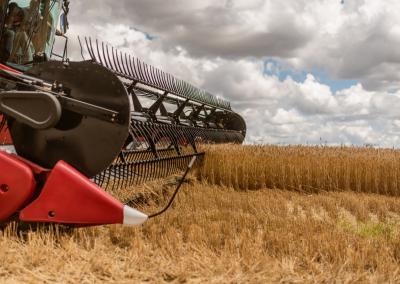
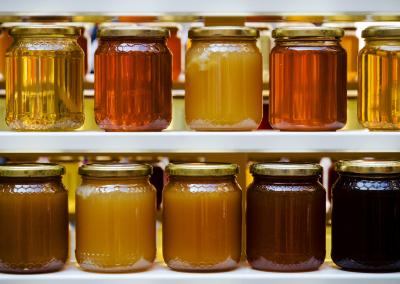
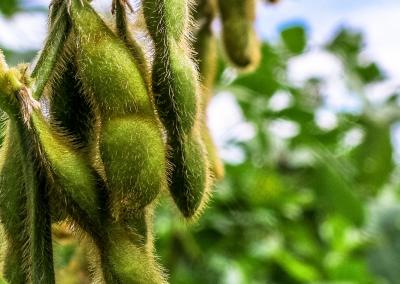
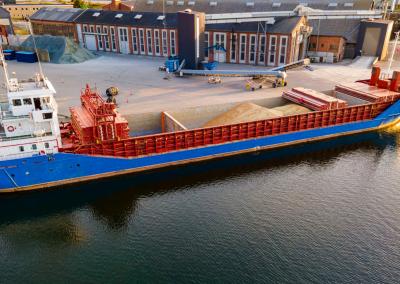
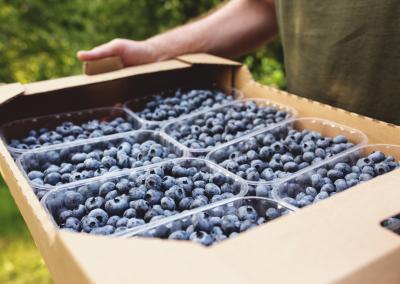
The agreement will benefit European exports of cars, wine and cheese, while facilitating the entry of beef, poultry, sugar, rice, honey and soybeans into Europe from South America.
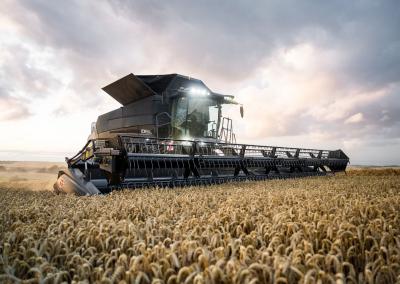
Brazil – the world's largest producer of coffee, meat and soybeans and other food products – has been one of the biggest supporters of the agreement. The world today is more divided, more sceptical and more protectionist. This makes an agreement with our European partners all the more important and all the more necessary," said Senator Teresa Cristina during a debate in the Brazilian legislature.
On the European side, Spain and Germany support the pact, which will benefit machinery and spirits exports to the Mercosur bloc.
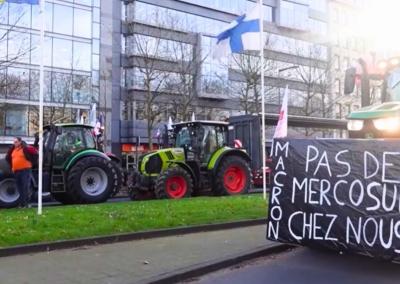
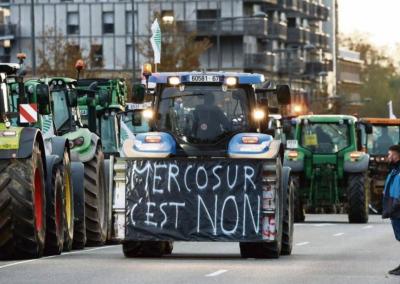
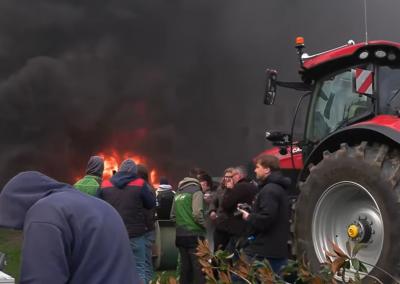
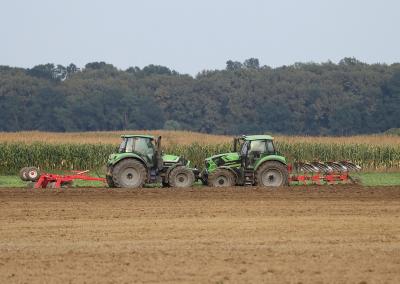
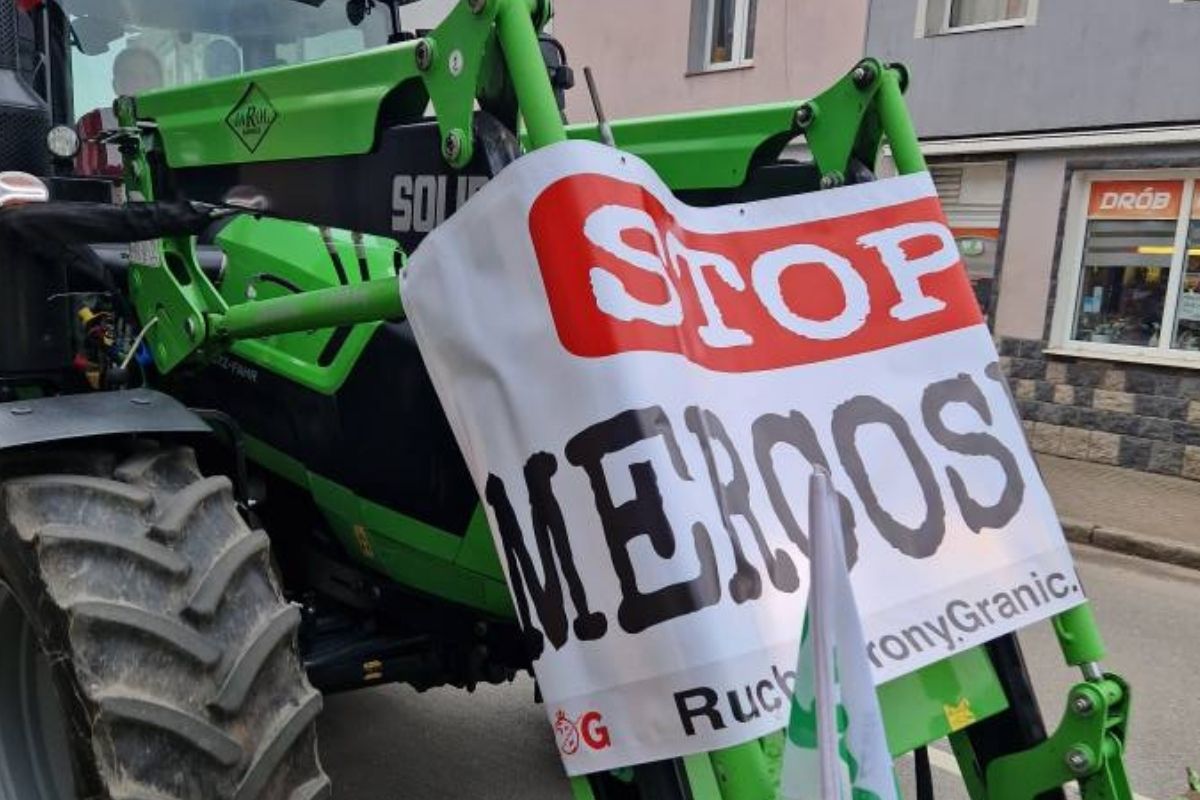
But some European farmers have reacted angrily, protesting with tractors in cities such as Paris, Brussels and Warsaw against the influx of cheaper goods produced to lower standards and with banned pesticides.