
































Ukraine's black land sell-off: who is taking control of the country's agribusiness?
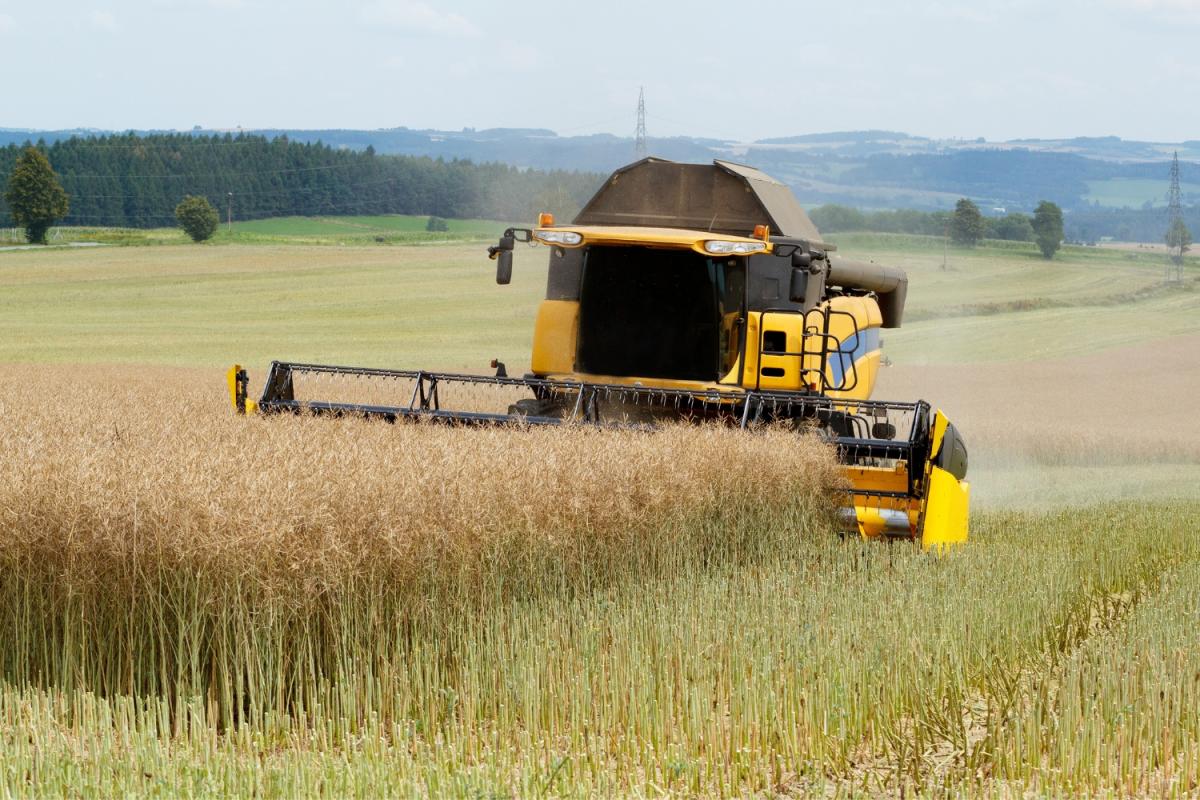
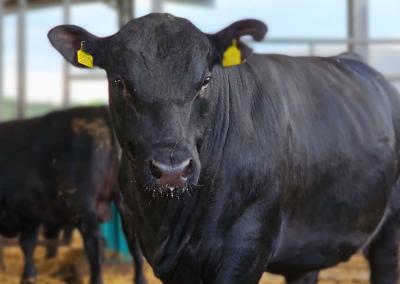
In Ukraine's agricultural sector, a silent but significant redistribution of wealth is taking place. While the world's attention is focused on the war front, behind the scenes, deals worth millions of euros are changing the structure of the region's agribusiness. One of the most striking examples is the decision by „Rostok-Holding Agro“ in Ukraine, to sell three agricultural companies, together with around 13,000 hectares of land, a herd of 300 dairy cows and grain storage infrastructure. The holding has already found a buyer and the deal is seen as another sign that Ukrainian agribusiness is moving into a new phase of concentration.
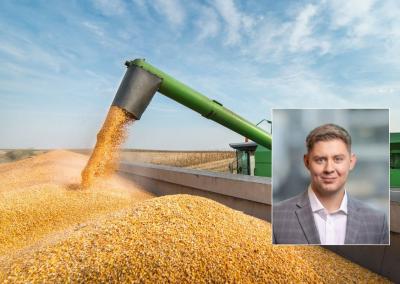
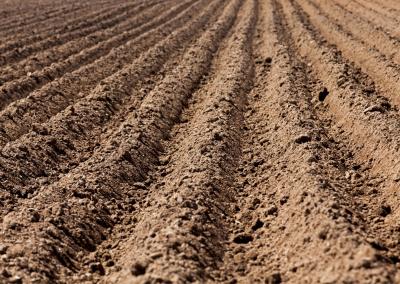
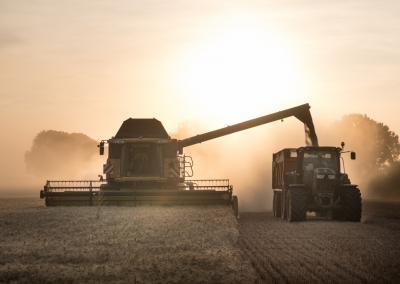
Ukraine has around 32 million hectares of arable land and is one of the world's top grain exporters. Before the Great War, the country exported around 50–60 million tonnes of grain a year, and was a world leader in the wheat, maize and sunflower markets. This is why every major sale of agricultural assets becomes a matter not only of business but also of strategic control.
Experts note that the war conditions have created an unprecedented situation: some holdings are facing logistical problems, staff shortages, disruptions in financial flows, and loan burdens. As a result, some companies have been forced to sell part of their assets or seek investors. On the other hand, the larger agri-holdings are taking advantage of the crisis to expand. A number of similar transactions have already taken place in the Ukrainian agricultural market in recent years. For example, in 2026 it was announced that the company „Agroton“ is looking to acquire around 14,000 hectares of land in Kharkiv region from the holding „Kernel“.
These developments are indicative of accelerating land concentration. The largest Ukrainian agroholdings already control hundreds of thousands of hectares. Kernel alone operates more than 300,000 hectares of land, while some other groups control areas exceeding 500,000 hectares. This means that individual farms are finding it increasingly difficult to compete with the giants of capital and infrastructure. Large companies have their own elevators, rail logistics, export terminals in the Black Sea region and direct links to international financial institutions.
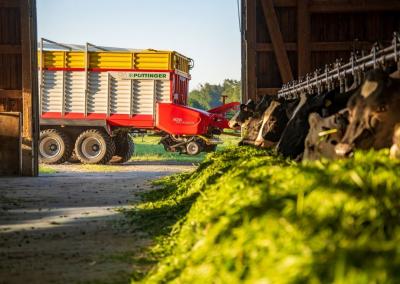
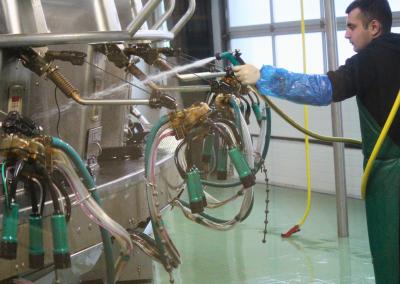
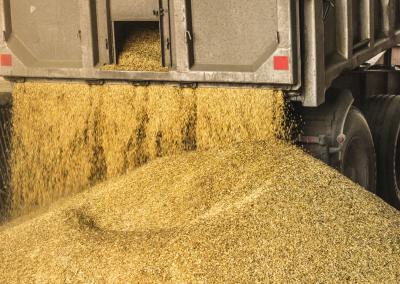
Livestock complexes, grain storage facilities, machinery parks, drying facilities and logistics centres are also increasingly involved in deals. This allows the buyer to take over a fully functioning business immediately. For example, the 300-cow herd and elevators in the aforementioned „Rostok-Holding Agro“ sale offer show that it is not about individual fields, but about a strategically important agro-industrial infrastructure.
Economists predict that the value of land in Ukraine could rise very rapidly after the war. Currently, the price per hectare in Ukraine is still significantly lower than in European Union countries. By comparison, in some areas of Ukraine a hectare costs between €1 and €3,000, while in Lithuania the average price of agricultural land is already over €5,000 and €6,000, and in the Netherlands or Germany it can be as high as €50,000 and €80,000 per hectare. For international investors, Ukraine therefore looks like a market with long-term potential, especially with some of the world's most fertile black soil.However, social tensions are also increasing. There is a growing debate in Ukrainian society about whether strategic agricultural resources are becoming too dependent on large corporations and foreign capital. Critics fear that in the long term small and medium-sized farms could be squeezed out of the market and that control of the land will be concentrated in the hands of a few agroholdings. On the other hand, supporters argue that it is large capital that allows exports to be sustained in a wartime environment and provides billions of dollars of revenue to the state budget.
Today, Ukraine's agribusiness is becoming not only a food production sector but also an instrument of geopolitical power. Land is not just about yields – it is about logistical control, export channels, currency flows and influence on global food markets. The sale of 13,000 hectares is therefore not just an ordinary real estate transaction. It is a sign that, against the backdrop of war, a new agro-economic reality is taking shape in Ukraine in which only the financially strongest players will survive.

Similar articles
Video