























































Farmers await solutions, while Palionis again talks about "future aid"
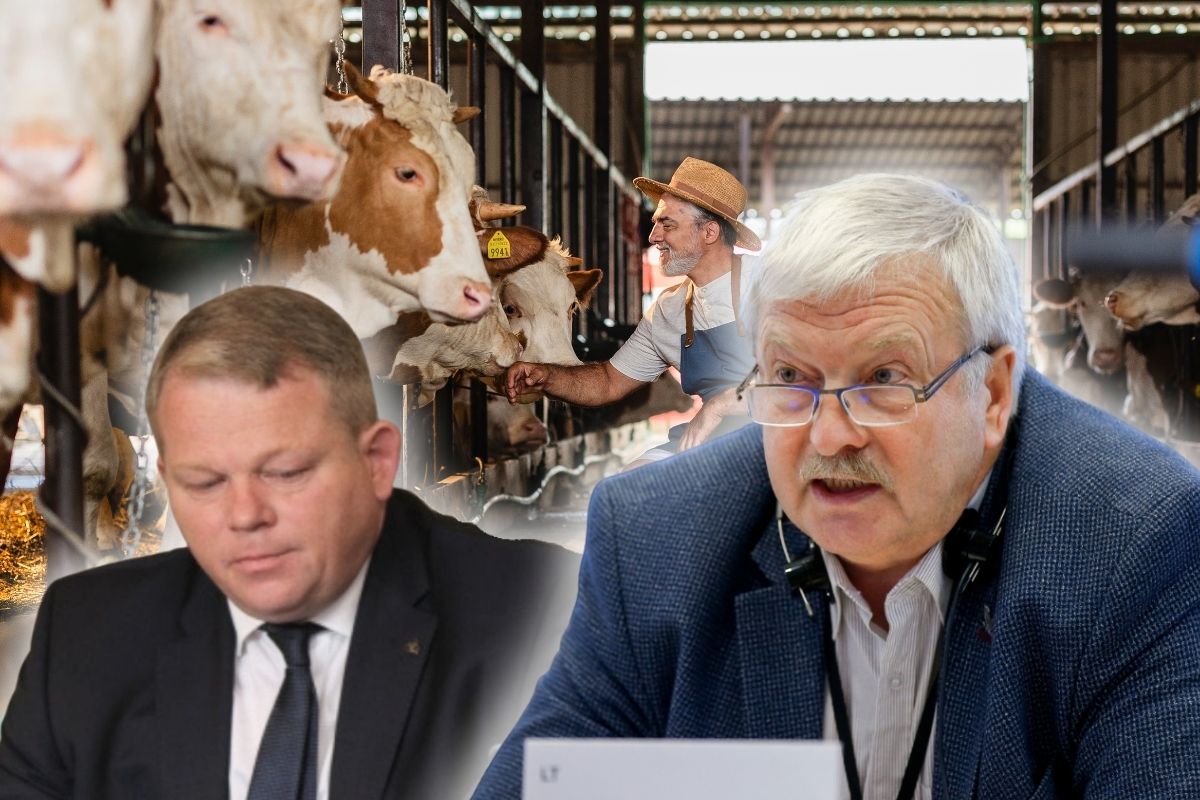
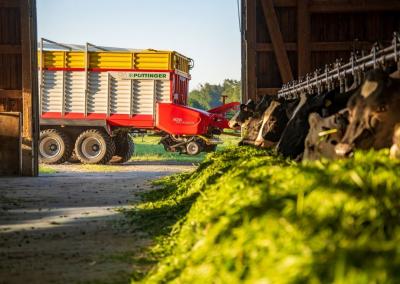
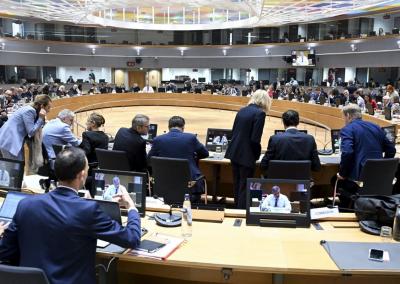
As alarm bells are ringing for the dairy sector, farmers continue to hear promises from the government about measures under consideration and possible solutions. At Thursday's Government Hour, Agriculture Minister Andrius Palionis acknowledged that the situation in the dairy sector is – difficult, but he did not identify any specific urgent financial support for farmers.
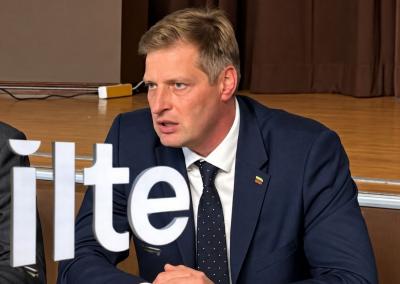
Will ILTE solve the problem?Bronis Ropė, chairman of the Seimas Committee on Rural Affairs, asked the minister what measures are actually being prepared today for dairy farmers, who, according to him, are already facing a survival problem.
„The dairy sector today is in a particularly difficult situation and it is getting worse“, – said B. Ropė at the Government Hour.
In his response, the Minister focused on the soft loan scheme launched on 4 May through ILTE. He said that 45 applications had already been received on the first day and that the facility should help farms to stabilise their working capital.
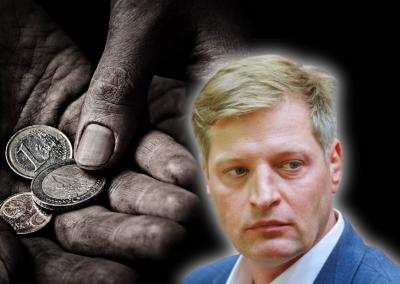
But farmers' organisations and some politicians point out – a loan is not a grant. If farms are making a loss, additional commitments only postpone the problem into the future. This is acknowledged by Mr Ropė himself.
„A loan is a loan and not everyone is happy about it. If the activity is loss-making, the loan will reduce the problem, but it will only increase the problem," the MP told the portal on Friday.
According to him, the current ILTE measure – is necessary but limited. It has about €40 million, and what will happen when these funds run out – is not yet clear.
„There is talk that it will be supplemented by money left over from other ministries. Only today there is no need for this, but I hope a solution will be found," said Ropė.
There is still no formal appeal to the EC
The biggest question remains on direct financial aid to the dairy sector. Minister Palionis told Government Hour that he had met with the European Commission's agriculture commissioner in Cyprus this week to discuss Lithuania's difficult situation.
„The Commissioner promised to take another look at our particular situation“, – said the Minister.
However, no specific commitments or deadlines were given by the European Commission. Moreover, Lithuania has so far not submitted an official written position on dairy aid.
B. Ropė admits that in Brussels, the first step is often to find a political consensus by word of mouth, but this does not change the fact that farmers are still in the dark.
„Apparently, they don't put it in writing until there is a verbal agreement“, – he mused.
Will – the new Milk Law work?
The long-term solution to the problem, Ropė said, should be a new Milk Law, which aims to introduce longer-term buying-in contracts, harmonise pricing and limit the currently highly unequal premium payments. At present, he said, the milk purchasing system in Lithuania is distorted. „The price is set by the buyer as it is in his interest“, – said the MP. The politician hopes that the law will be adopted in this spring session. But even he admits – the impact of the law will be long term and some farms need help now. „More efficient farms can borrow. And others just need a shot of financial support. I don't see any other way," said Ropė. Delays could cost the state much more than emergency aid today, he said. „Rebuilding bankrupt farms will cost considerably more than what it would cost to support them now“, – warned the MP.
Similar articles


Video