





























































Tractor manufacturers reduce speed as farm pockets empty

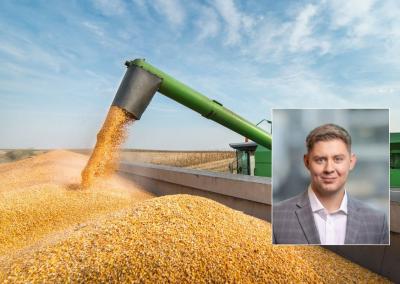
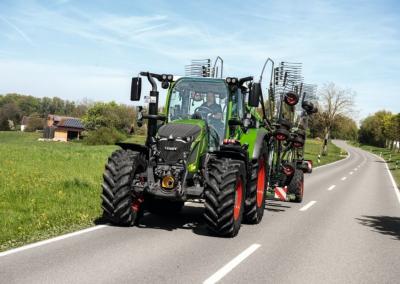
The global market for agricultural machinery is facing a cyclical turning point in 2026: after several highly profitable seasons, when high grain prices stimulated investment, demand is in its first year of contraction. CNH Industrial, one of the world's largest manufacturers, forecasts that retail demand for machinery could fall by around 5% in 2026 and that the company's profitability will be lower than analysts' expectations. The company has already announced that it will cut production and is planning to sell off stockpiled machinery with its dealers.
The main reason – the financial situation of farms. US farm income in 2026 is projected at around €130 billion, which is around 0.7% less than in 2025. When inflation is taken into account, the fall in real profitability is even more pronounced. By comparison, US farm income in 2022 was around €181 billion, a fall in nominal income of more than €50 billion in four years.
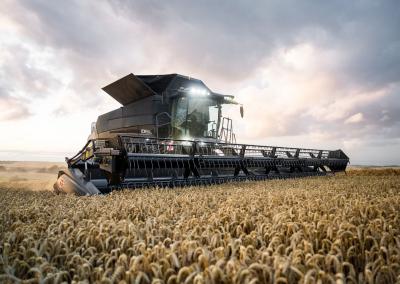
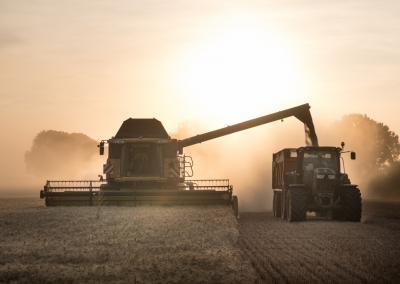
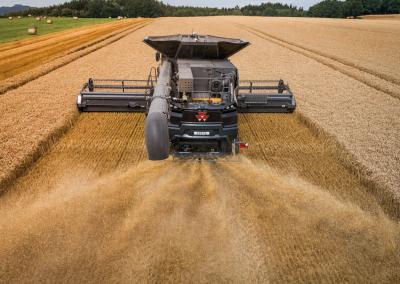
Technology sales statistics confirm this trend. In North America, tractor sales in January 2026 were down 4.7% compared to the same period last year. The biggest drops were recorded in the medium-power segments, where grain farms invest most. At the same time, sales of combine harvesters jumped by 68%. However, analysts attribute this to the need to renew an ageing fleet, rather than a general market recovery.
The situation is similar in the European market. Tractor registrations in the EU fell to around 158,000 units in 2024 – the lowest level in a decade. In 2023, the number was around 181,000, a decline of more than 12%.
In many countries, farmers are holding back investment as grain prices have fallen by 20–35% from their 2022 peak, while fertiliser, energy and financing costs have remained high.
Financing markets are also putting additional pressure on farms. Interest rates from the European Central Bank have risen from almost zero to over 4% in the last two years, pushing up leasing payments for new machinery by 20–40% for many farms.
This means that investing in a tractor or combine harvester today costs much more than it did a few years ago, even if the price of the equipment itself has not increased.Analysts predict a recovery in the machinery market in 2027 if grain prices stabilise and financing costs fall. Until then, manufacturers will focus on more aggressive sales promotions for existing machinery.
Declining global demand often means higher discounts and more flexible financing terms. However, this also signals that the profitability of the sector remains challenging.

Similar articles

Video