


























3 A 300% leap in power: how technology is rewriting the rules of farming
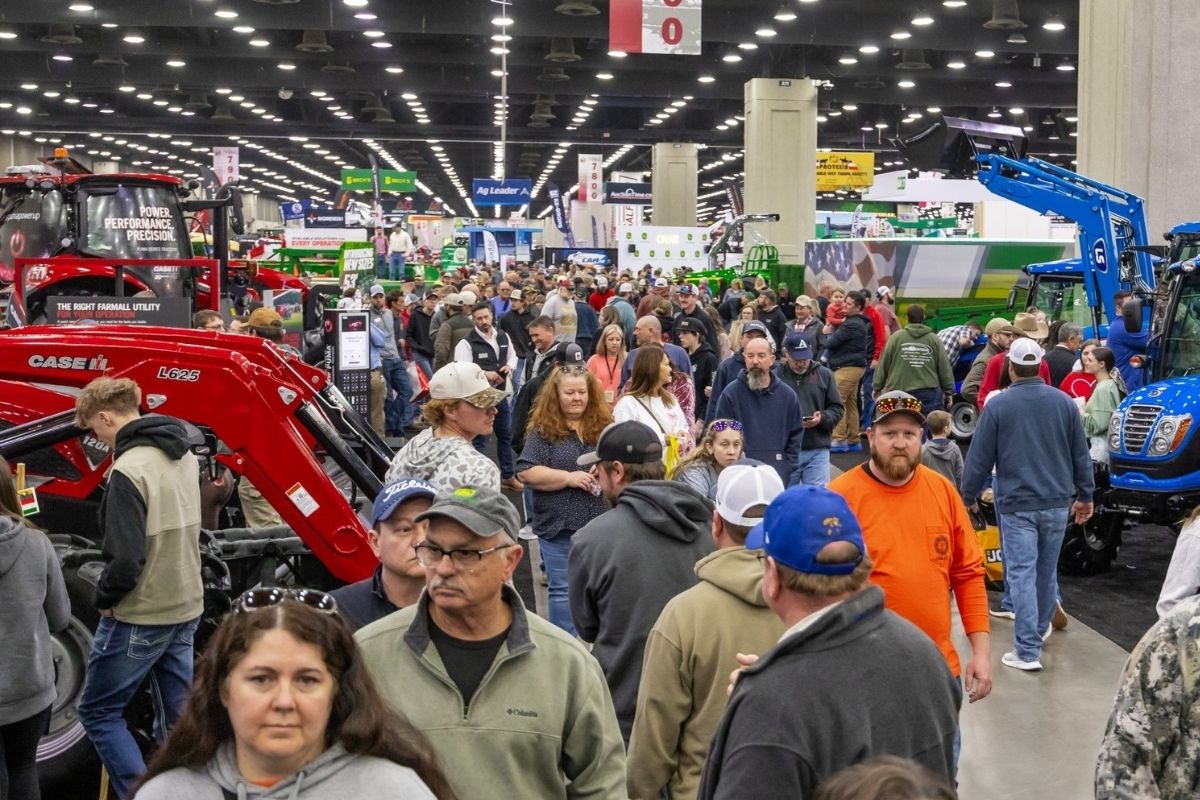
The "National Farm Machinery Show 2026" in Louisville, Kentucky, USA, today reaffirms that the biggest investments today are in automation, digitalisation and AI-based solutions. One of the world's largest indoor agricultural exhibitions brought together hundreds of manufacturers showcasing new tractor ranges, digital control solutions and autonomous tools.
Annually attracting more than 300,000 visitors and around 800 exhibitors, the show is considered one of the most important barometers of the global machinery market.
Three themes dominate this year's event: artificial intelligence solutions for farm management, autonomous machines, and integrated digital platforms for real-time analysis of work processes. This, say the organisers, will determine the future of agricultural development.
„Every year the „National Farm Machinery Show“ is important because it brings together the best in their field. Reaching the 60-year milestone – is a significant reminder of the show's legacy. It's also an opportunity to honor the farmers, innovators and show partners who have built the show's history over the decades," says David S. Beck, president and CEO of Kentucky Venues
This year, manufacturers showcased not just new tractors or combines, but also complete systems where machinery, software and data analytics work as one product.
Such systems allow planning operations, optimising fuel consumption, reducing fertiliser and chemical inputs and automating decision-making. This shows that machinery manufacturers are increasingly looking to become providers of digital services rather than just iron.
The emphasis on autonomy and artificial intelligence reflects a structural change in the market. Up to now, innovation has mainly been about increasing, for example, the power of tractors or the working width of implements. But now the focus is on automation and more efficient resource management. This is directly linked to labour shortages, rising fuel costs and environmental requirements.
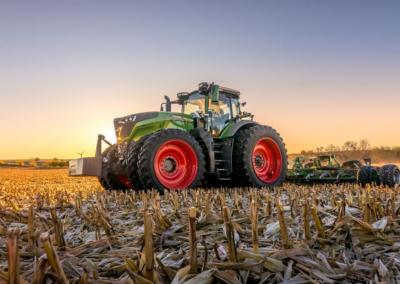
One of the most striking examples of the technological leap – high power tractors. For example, the „Case IH Steiger“ series today delivers 467–778 hp, several times more than the average tractor of a few decades ago.
Even 50 years ago, the popular „International Harvester 1066“ model had only about 105–125 hp. In half a century, the power has more than quintupled.In the high-end tractor segment, the figures are even more impressive. For example, the „Case STX Steiger“ can reach up to 682 hp. In 2005, 321 hectares were ploughed in 24 hours with this model. This is a world record.
The historic record belongs to a purpose-built „Big Bud 747“ tractor, with a power output of up to 1,100 hp, more than ten times that of a typical tractor from the 1980s.
In the field of autonomy, developments are also measured in concrete numbers. Today's autonomous tractors operate in the 145–410hp segment, while the largest four-wheel models reach as much as 830hp.
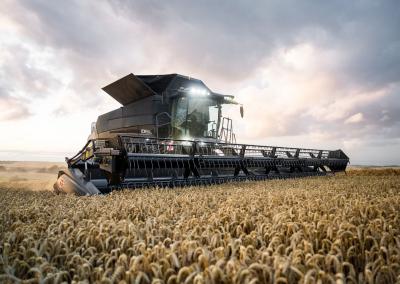
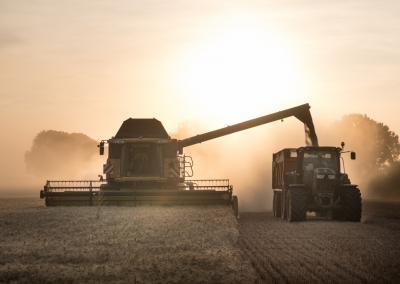
The benefits of autonomous technology are also expressed in terms of productivity. The new generation of combine harvesters with intelligent automation systems can deliver 20–30% more productivity by adjusting the speed and parameters themselves according to the crop conditions.
The leap in technological power is also reflected in historical perspective: over the past century or so, tractor engine power has increased by around 3,300%, which has led to a direct increase in productivity per hectare.
Big companies showcased solutions for the entire farm chain, from sowing to harvesting and digital analytics. This shows that the market is moving towards a "single producer ecosystem" model, where machinery, software and service are integrated into one platform.
It is likely that such solutions will first reach larger and modern farms, but over the next 3–5 years autonomy and AI solutions should become more accessible to medium-sized farms, especially in the field of precision farming.
The event culminated in a tractor pulling championship, with more than 70,000 spectators watching the five sessions. Tickets for two of these sessions were completely sold out.
Modern agriculture today is not just a showcase of technology, but a mass spectacle where power, digitalisation and solutions for the future come together.

Similar articles
Video