
































Millions have been spent, but are we ready for the crisis? Reserve gaps are eye-watering
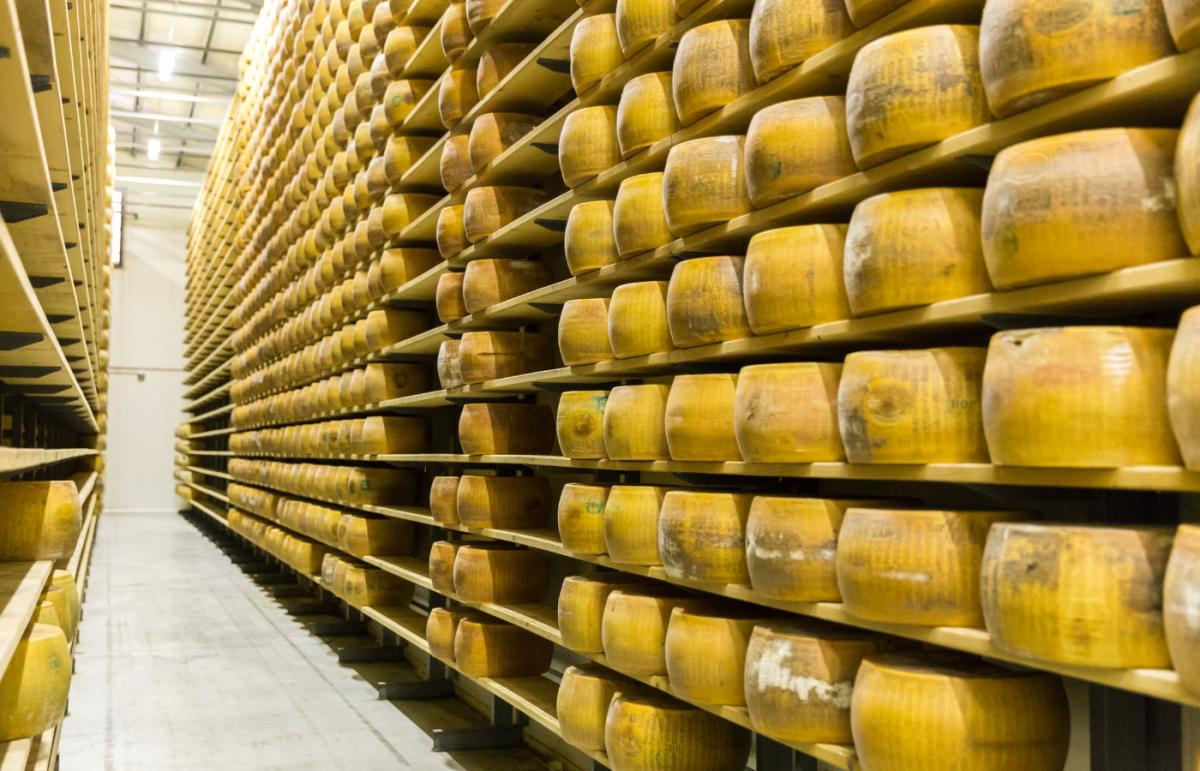
After the State Audit Office previously said that the State Reserve was not being set up properly, the authorities say that the accumulation of the Reserve has been stepped up since 2025, with the most important work to be carried out this year new contracts are being signed for the reserving of foodstuffs and other commodities, as well as for the provision of fuel, and the construction of a new warehouse by spring next year.
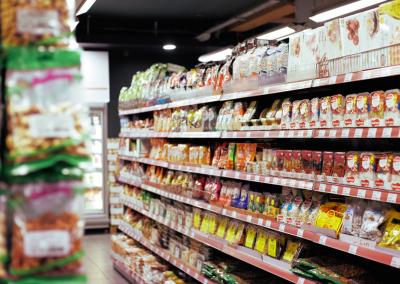
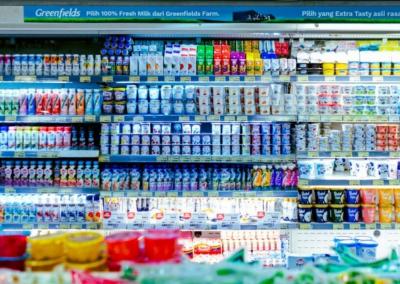
A spokesman for the National Crisis Management Centre (NCMC) says food stocks are now at levels never seen before.
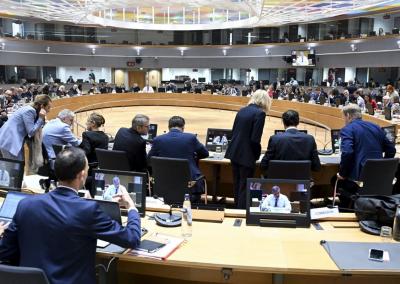
„The state (food – BNS) reserve is at a level of accumulation that has never been seen before,“ Aurimas Gusčius, head of the NKVC's Planning Office, told the Audit Committee on Wednesday.
He said that the State Audit Office's accusations that the reserve did not contain foodstuffs were unfounded, as the auditors had carried out their assessment before active signing of contracts had begun.
He said that the Ministry of Agriculture had recommended not signing contracts for the stockpiling of foodstuffs if companies' offers „exceeded common sense“:„The cost of the reservation was a few hundred percent higher than the cost of purchasing the foodstuffs themselves.
According to Mr Guszcius, after the audit was completed in the second half of 2025, the contracts for the reservation of the products were started to be signed.
„Today we have a really large quantity (...) and we could provide food products for a really large number of people“, – the representative of the NKVC told the Committee.
Virginija Žoštautienė, Director of the Strategic Planning Department of the Ministry of Agriculture, said that 37 food supply contracts have been concluded and 14 more will be signed in the near future.
According to Mr Guszcius, in 2023, the reserve contained cereals, sugar and salt.
At that time, he said, most of the fuel reserve was accumulated in three tanks. Our goal for this year is to make a bigger network of wholesalers.“
After being informed that there is no state transport reserve, the chairman of the Audit Committee, Artūras Skardžius, has instructed the Ministry of Transport and Communications to assess this fact and present the information to the next meeting.
Karol Abak, Advisor to the Preparedness and Crisis Management Group at the Ministry of Transport and Communications, said that all the reserves for which the Ministry is responsible will be built up during the course of this year.
He said that, for example, metal beams for road maintenance and protection have been stockpiled, but that they will be converted to quantities rather than tonnes, at the suggestion of the National Audit Office.
Audronė Sviklaitė, head of the Ministry of Health's (MoH) Centre for Health Emergencies, said that part of the medical supplies reserve in Varėna has been moved to rented warehouses, as there is no money to build its own.
„The supplier is constructive, we have started to coordinate the supply algorithms to be able to work quickly in the event of day X and to operate the stocks that are needed," she told MPs.
At the time, Valdas Visockas, Chief of the Material Resources Management Board of the Fire and Rescue Department (FRD), told the committee that there was still a shortage of warehouses to store the reserves, which is why a new warehouse is expected to be built in a year's time.
„We have the plots of land, the technical designs have been drawn up and the contract for the construction of one of the warehouses is already being signed, and we hope to have it ready this week... We expect to have the warehouse built in the second quarter of 2027. It will solve a number of problems related to storage," the PRT spokesman said.
According to the National Audit Office, between 2022 and 2025, €12.6 million was spent on stockpiling and managing stocks. How much money is in the reserve, what kind of stocks, their quantities and where they are kept is classified information.
The Parliament's Committee on National Security and Defence has asked the Government to launch internal investigations into possible inaction by officials involved in the State Reserve.
BNS wrote that the State Audit Office found that the system of accumulation and management of the reserve does not ensure that it is sufficient, adequate and, where necessary, promptly delivered to the right place.
The Auditor General, Irena Segalovičienė, said that 40–65% of the reserve was unused in 2022–2024. According to the State Audit Office, the amount of funds earmarked for stocks of foodstuffs, medical, transport and civil protection equipment has not been used for 40 years, and Lithuania does not have a long-term plan for their accumulation, and some stocks are stored in inappropriate places and could be destroyed, contaminated or damaged at a critical moment.
Mindaugas Sinkevičius, the chairman of the Social Democratic Party, has said that the insufficient state reserve is a criminal negligence, and that there are prospects for a public interest appeal to the Prosecutor General's Office.
The government said it had entrusted the coordination of the state reserve to the National Centre for Crisis Management – it promises to sort out the system within half a year.
The State Reserve is used in times of emergency or crisis, when a mobilisation is declared, or a state of emergency or martial law is imposed.

Similar articles


Video