

















































Dangerous outbreak of foot-and-mouth disease detected in Greece
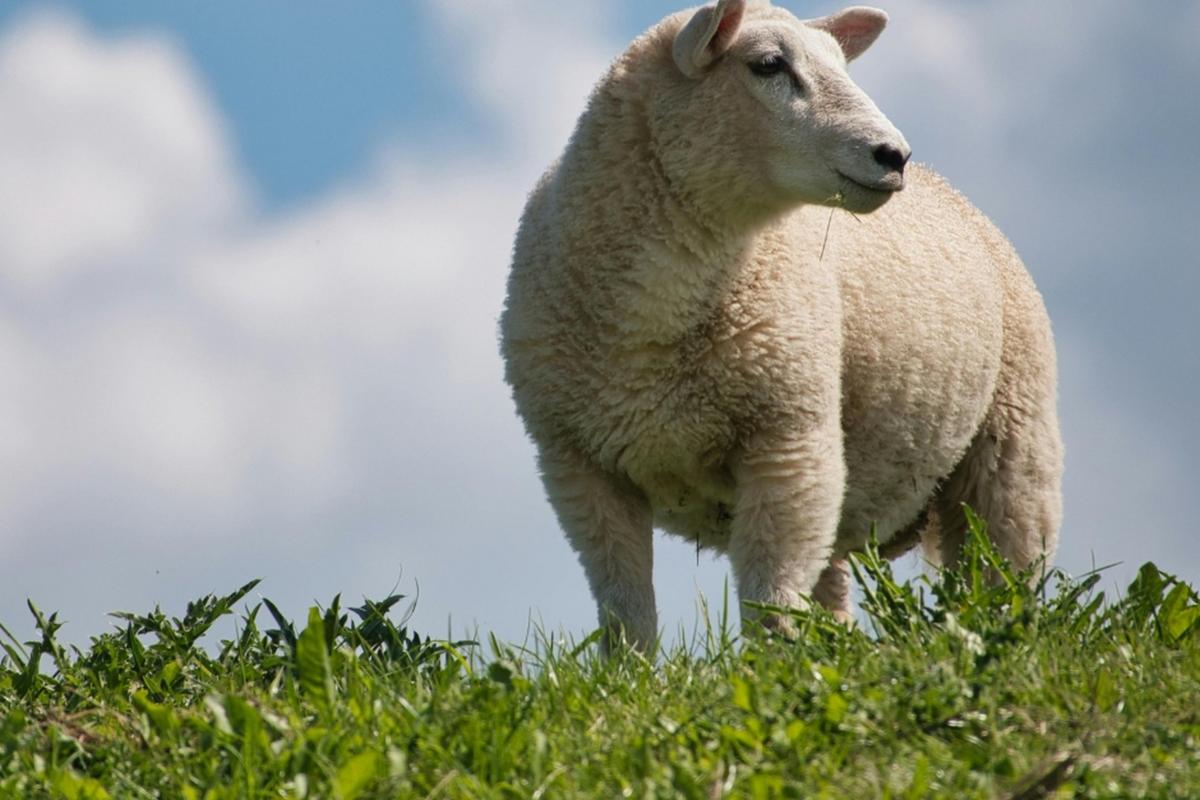
The State Food and Veterinary Office (FVO), on the basis of official information received, reports a confirmed case of the highly contagious animal disease foot-and-mouth disease (FMD) on the Greek island of Lesvos. The outbreak was detected on a cattle farm in the north-eastern part of the island, in the Pelopi region. The last case of this disease in Greece was detected in 1994.
The competent Greek authorities have taken swift action by imposing strict control measures at the outbreak site and in the surrounding areas.
As of Tuesday, a total ban on the following has come into force: :
- animals: cattle, sheep, goats and pigs;
- products: meat, milk and their processed products.
This situation will have a major impact on the Greek agricultural sector. The restrictions put in place will halt the planned export of around 70 000 lambs and kids ahead of Easter. The need to recall produce exported from the island over the last month is also being assessed.
There are 131 sheep and goat farms and dozens of cattle and pig farms within a 3 km radius of the outbreak site, and intensive inspections and monitoring are being carried out.
The threat of FMD is growing in the region. As a reminder, outbreaks of the disease were also recorded in Cyprus (Larnaca district) on 20 February 2026. In Cyprus, the virus serotype SAT1 was detected, which is normally found in North Africa, Asia and Turkey. The serotype of the virus detected in Greece is currently undergoing laboratory testing.
The HSE stresses that FMD is one of the most transmissible diseases in post-canopic animals, but does not pose a risk to human health. The main threat is the huge economic losses due to the destruction of livestock and long-term trade restrictions. Although there have been no cases in Lithuania, the HPAI urges travellers to be more vigilant and the following is recommended when travelling to affected regions:
- avoid all contact with domestic and wild animals;
- do not visit livestock farms, markets or exhibitions;
- strictly observe personal hygiene and wash hands frequently;
- No animal products (meat, milk, cheese, etc.) from regions where the disease has been detected may be brought into Lithuania in personal luggage.
VMVT experts are constantly monitoring the situation and assessing the potential risks for Lithuania.

Similar articles
Video