








































Are others at risk? A farmer will have to pay back €10,000 for green diesel already used
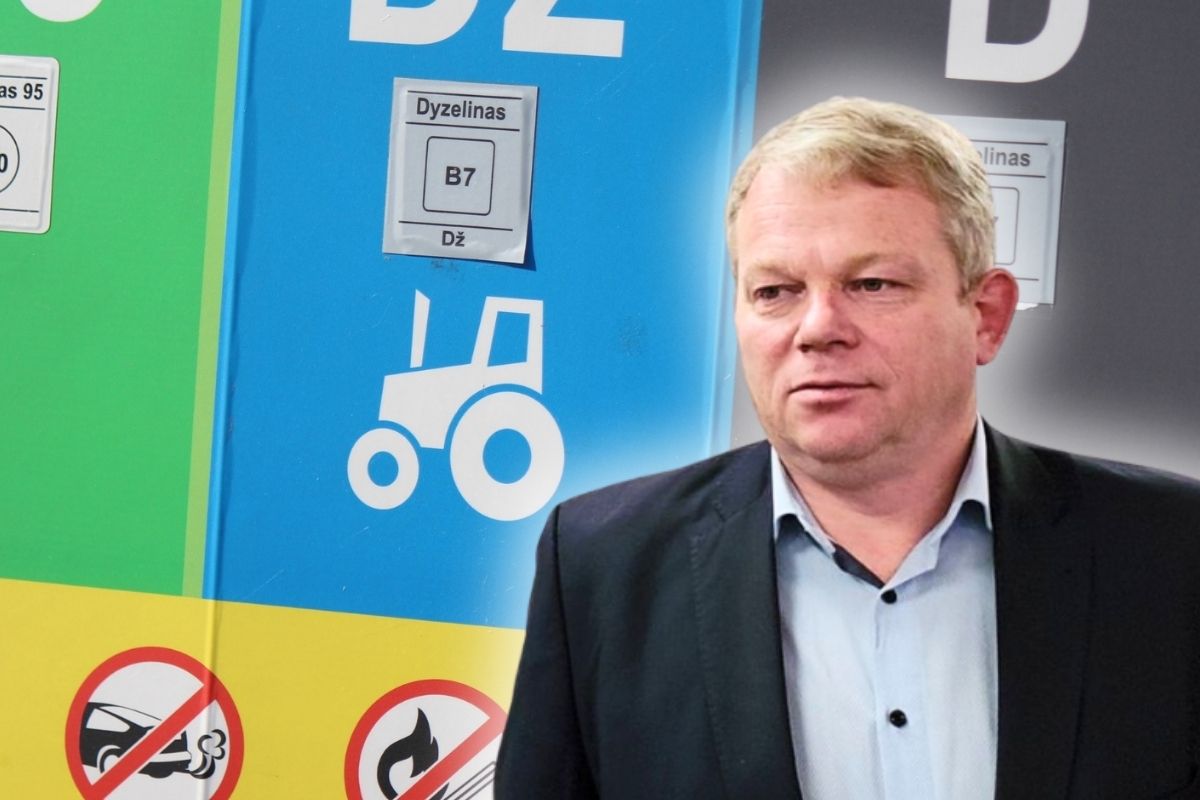
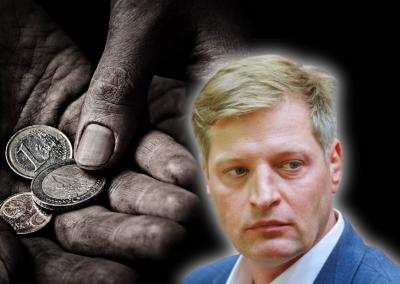
The editorial office was contacted by a legal entity running a crop farm (the editorial office is not aware of the details), which has found itself in a paradoxical situation. The farmer was first granted the right to buy discounted diesel and then, one year later, he is being forced to pay the full price. The farmer, who has to pay the excise duty difference of more than €10,000, does not understand why this has happened – has he become a hostage to the law?
One year of loss – and the relief disappears
Farmer says 2024 was financially challenging – losses were caused by both weather conditions and market fluctuations.
„Winter oilseed rape froze and had to be reseeded. Grain prices were down and fertiliser was expensive. It all added up – one year in the red, and the downside was considerable“, – he makes no secret of it. Nevertheless, the farm continued, invested, paid taxes and had employees. In 2025, the situation started to stabilise. However, it was that loss-making year that became the basis for declaring the company to be in difficulty and withdrawing the benefits it was entitled to. The farmer says he only became aware of the problem in February this year.
„I received the preferential fuel for 2025, I bought it and now I have to pay. They give it to me and then retrospectively tell me to pay it back. I don't understand this“, – he says.
He has an estimated amount due of €10 194. The situation is further complicated by the position of the authorities.
„The NMA says – we are relying on the legislation. VMI says – we are relying on NMA data. The two institutions have corresponded with each other, but nobody is assessing the real situation“, – says the farmer.
Only formal criteria are assessed
The National Paying Agency (NPA) confirms that in such cases only a formal assessment is applied.
„A formal criterion is applied – whether the entity fulfils the definition of an undertaking in difficulty in Regulation (EU) No 651/2014„. The rules do not provide for any individual assessment based on weather conditions, investments or market situation“, – said the reply. This means that even temporary losses due to objective reasons can lead to a loss of the benefit.
The authorities explain that this is the procedure laid down in the legislation: the benefit is granted in advance and then verified.
„It is only after a year that the National Paying Agency verifies whether the entity has complied with the requirements“, – states the NPA. This is where the paradox arises that a farmer acting in accordance with the law in force at the time may later be found to have breached it – and be forced to pay up.
Liability shifts to the farmer
The Ministry of Agriculture (MAA), headed by Andrius Palionis, stresses that the responsibility lies with the farmer himself.
„It is up to the agricultural operator to assess whether it is not subject to restrictions when submitting an application,“ says the Ministry.
According to the Ministry, this system has been chosen to reduce the administrative burden and to grant the benefit faster. This means that the farmer has to understand the complex financial criteria laid down by the European Union regulation and also assess the risks.
„This is not the way the State should act“, – the farmer is not hiding his disappointment and adds: „It was hard one year and the State makes it even harder by making it even harder to pay for everything. That's enough and you don't want anything more.
He said that such an arrangement could have wider implications: „Now I'm not hiding anything, I'm showing that it's bad. But this kind of order does encourage shadowing“.
Between law and reality
The FAO says there are not many such cases – in recent years, a few a year have been identified. However, is it the quantity or the principle that is the problem?
The current position of the authorities is that they are acting within the framework of existing legislation and EU regulations, which do not provide for exemptions for "firms in difficulty".
However, the farmer's experience shows the other side of the system, where one difficult year can lead not only to a loss of support but also to an additional financial burden.

Similar articles



Video