






































































EC presents action plan to protect Europeans from the energy crisis
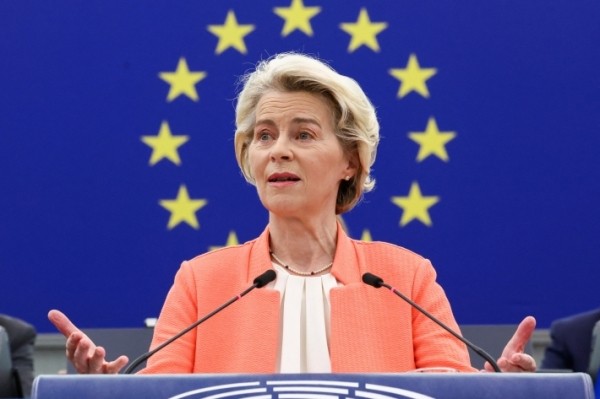
The European Commission (EC) on Wednesday unveiled an action plan to protect Europeans from the energy crisis and accelerate the transition to clean local energy.
The EC report states that "AccelerateEU" is a set of measures to provide immediate help to Europe's citizens and industry, especially the most vulnerable groups, while ensuring that Europe pursues a coherent path towards energy independence.
Since the start of the conflict in the Middle East, the EU has spent an extra €24 billion on energy imports due to higher prices. The current geopolitical situation is a stark reminder of the need to accelerate the transition to clean, secure and affordable energy.
The AccerateEU initiative presents both short-term and structural measures with long-term impact to further reduce dependence on volatile fossil fuel markets and to increase Europe's resilience to future risks, based on domestic clean energy and electrification.„The decisions we take today will determine our ability to face today's challenges and tomorrow's crises. Our strategy to "AccelerateEU" will provide European citizens and businesses with both immediate and more structural support. We need to accelerate the transition to clean energy produced at home. This will give us energy independence and security, which means we can better weather geopolitical storms," stressed European Commission President Ursula von der Leyen.
The European Commission proposes the following actions:Coordination is key. The Commission will ensure that measures at Member State level are implemented in full coordination. This includes the filling of underground gas storage facilities, the use of flexible filling rules or any exceptional release of oil stocks. The Oil and Gas Coordination Groups meet frequently to ensure that Member States are fully informed of the situation. Emergency measures and measures to ensure the availability of jet fuel and diesel, including refinery production capacity, should be closely coordinated.
A new "Fuel Observatory" will be set up. It will monitor the EU's fuel production, imports, exports and stock levels. This will allow potential shortages to be quickly identified and, in the event of an emergency release of stocks, targeted measures to be developed to maintain a balanced distribution of fuel. To mitigate the impact of high fuel prices and potential fuel shortages on the EU aviation sector, the Commission will also provide clarity on the existing flexibility measures in the EU aviation system.Targeted, timely and temporary measures Protecting consumers, including industry, from price spikes can include targeted support schemes, energy vouchers and social assistance schemes, and reductions in electricity excise duties for vulnerable populations. The Commission will also adopt a temporary state aid framework to give additional flexibility to national governments, including emergency measures to support the most vulnerable sectors of the economy.
Accelerate the transition to domestic clean energy to replace oil, gas and other fossil fuels.
By the summer, the Commission will present an action plan for electrification. This will include an ambitious electrification target and measures to address barriers to electrification in the industrial, transport and construction sectors. Rapid implementation of the Sustainable Transport Investment Plan is essential to accelerate the deployment of sustainable aviation fuels.
Improving the weapons system Electrification must be complemented by a fit-for-purpose electricity grid. First steps – ensure that the current legislation is fully implemented and that the negotiations on the European electricity network package are concluded quickly. The next step is to maximise existing renewable energy infrastructure. The rapid modernisation of large wind farms and renewable energy plants, including offshore wind farms and hydropower plants, can quickly provide much-needed additional support. The Commission will also present a proposal for a legislative act on network charges and taxation, which will, among other things, ensure that electricity is taxed less than fossil fuels.
Encouraging investment. There are many resources available at EU level, such as the €219 billion under the Economic Recovery and Resilience Facility (ERRF) and the Cohesion Policy funds. In the current crisis, speed and impact are crucial. The Commission will help Member States to make the best use of available EU funding. However, public funds alone will not meet the huge investment needs for energy transition (€660 billion per year until 2030). To mobilise private investment, the Commission therefore adopted the Clean Energy Investment Strategy in March 2026. To catalyse private sector financing, the Commission will host a Clean Energy Investment Summit with representatives from the financial services sector, including major institutional investors, industry leaders, project promoters and public financiers.