











































Emergency ends, but not the problems: farmers do not receive compensation
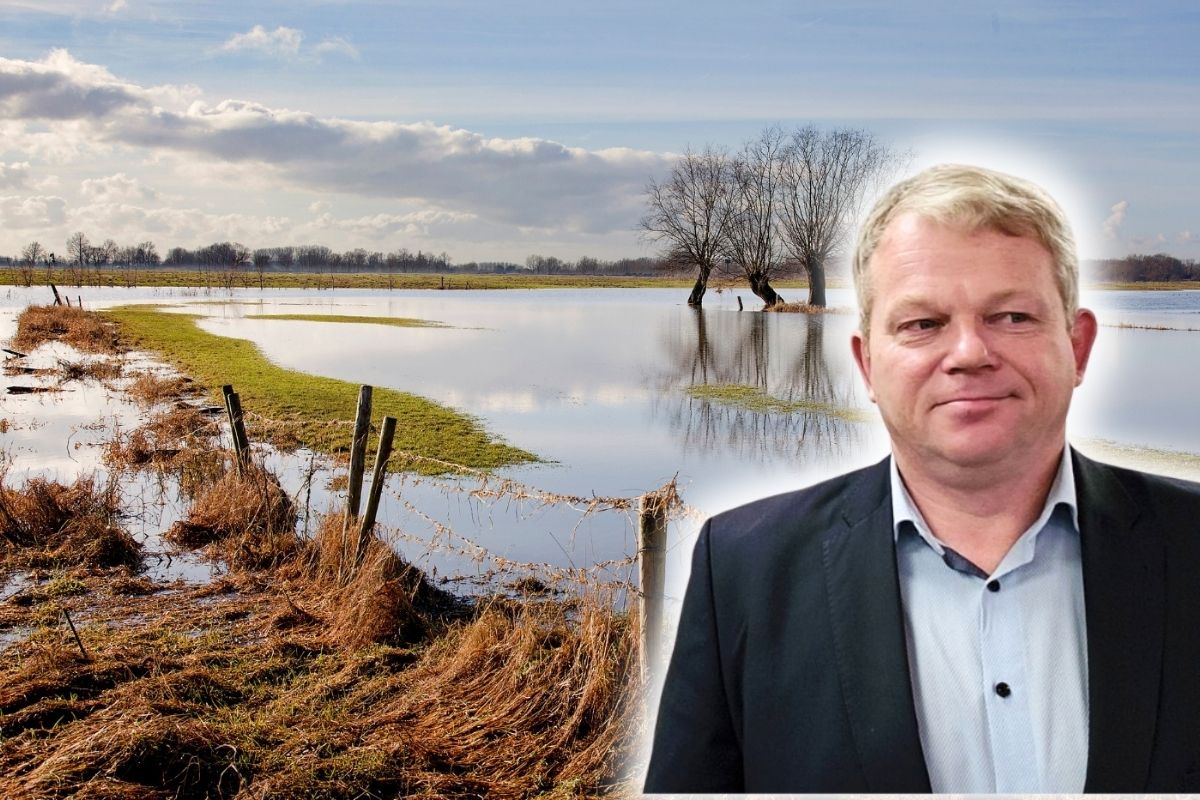
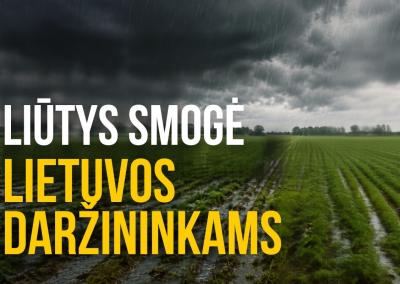
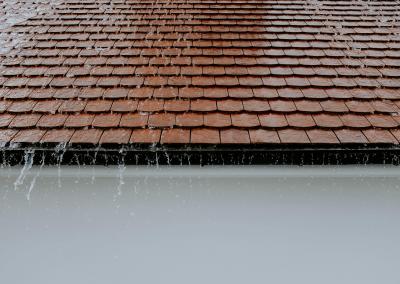
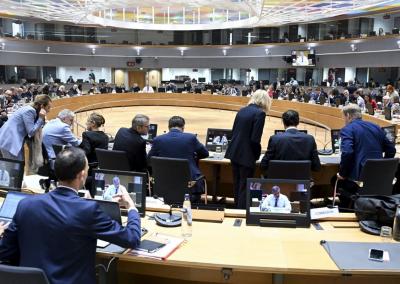
The government has decided to lift the state-level emergencies declared last year due to frost and prolonged rain.
However, the assessment of the consequences of the heavy rains is still ongoing. Municipalities are just starting to collect applications for possible compensation.
In the meantime, farmers say the reality is quite different from the figures in the reports.
100% crop destruction and losses of €700,000
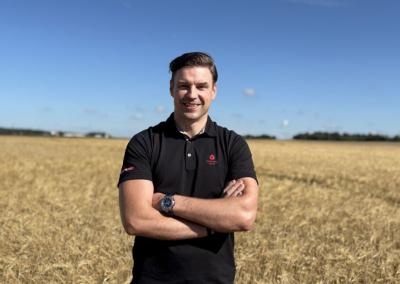
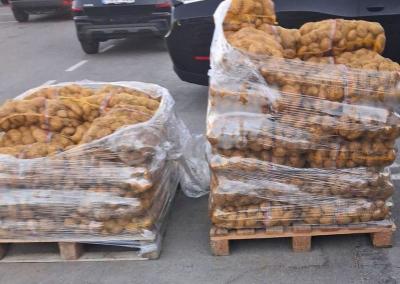
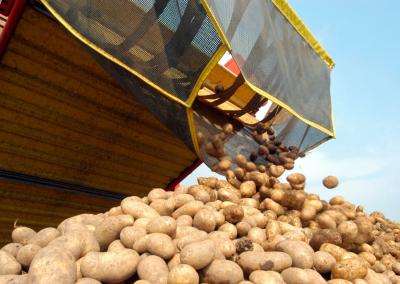
Edas Sasnauskas, a potato farmer, says the rains of 2024 were disastrous for his farm.
„There are certificates from the municipality saying that 100% of the harvest was affected. Everything was destroyed,– says the farmer.
The situation has been widely reported in the media, but no real help has been forthcoming, he said.
„It was all over – LRT, TV3, LNK. Everybody came, filmed, but... We didn't get anything“, – says E. Sasnauskas.
He estimates that the losses amount to about 700 thousand euros.
„I even received a call from the Minister of Agriculture Andrius Palionis himself, who wondered how it could be that there is no compensation. He promised to clarify the situation, but that was the end of it“, – notes E. Sasnauskas.
In 2025, the farmer suffered another blow.
„I suffered a loss of about 25%, but I didn't even stop – there's no point, because I still won't get compensation“, – he says.
Damage recording – just a formality
The biggest problem, says the farmer, is the system itself.
„On the phone from the municipality I heard – „you neither search nor drive, because there is no money in the budget“, – says E. Sasnauskas. He says that damage assessment is often limited to formal procedures.
„A commission arrives, writes up a report – and that's the end of it“, – says the farmer.
Another problem – compensation limits.
„You can get up to €30,000. But if a farm suffers losses of hundreds of thousands or millions – this is totally inadequate“, – he stresses.
Losses make it difficult for farmers to meet their financial commitments.
„Previously, 8–10 years ago, the IRS had allowed deferred payments spread over three years. Now, if you try to ask for it, it's all over the place," says Sasnauskas, not hiding his disappointment.
There were also problems with the repayment of the loan.
„I had a loan, part of which remained unpaid because there was no money to pay it back after 2024. I sent applications, deeds, they did the same – filed with bailiffs, they filed with the court. Here's to helping farmers," he says.
No compensation, mechanism stuck
Paul Andriejavas, chairman of the Lithuanian Vegetable Growers' Association (LDAA), confirms that this is not an isolated problem.
„As far as I know, members of our association have not received any additional payments or compensations“, – he says.
According to him, the current compensation model is too complex and inefficient.
„It's a bureaucratic mechanism – it needs commissions, assessments, fixations. The process should be a one-stop shop, – says Mr Andriejavas.
The association's chairman also criticises the allocation of responsibilities.
„Clearly, redress should take place at government level. Municipal budgets are already under strain and it is naïve to expect them to pay compensation,– he stresses.
„It has been a difficult year for vegetable growers in general – because of the general market situation, prices, surplus of vegetables in other countries. The financial situation is really difficult. We are looking forward to the new season and hope that it will be better," says Mr Andriejavas
The emergency is officially over, but for farmers it has not gone anywhere.
Destroyed crops, hundreds of thousands of euros in losses and a broken compensation system leave them alone with the problem.
While the authorities are counting hectares and millions in reports, some farmers are counting their chances of survival.
And the question remains open: if there is no help even after an emergency – when will there ever be any?

Similar articles



Video