































While Europe is bailing out farmers with subsidies, Lithuania offers only loans to its farmers

Some EU countries are already rushing to absorb rising costs for farmers; Spain and France have launched or are expanding support programmes to compensate for increased fertiliser and fuel costs.
The European Commission has approved a €554 million aid package for Spain. Of this package, €54 million is for fuel compensation. Farmers will be paid €0.20 per litre of diesel purchased for agriculture. In this case, fuel purchased between 22 March and 30 June will be reimbursed.
Meanwhile, €500 million will be made available for fertiliser compensation for Spanish farmers.
This scheme will pay direct payments per declared area: €22/ha for non-irrigated crops and €55/ha for irrigated areas. The maximum reimbursement limit will be up to 300 ha per farm to ensure that the majority of the funds reach actively producing farms.
For France, the European Commission has approved a separate aid scheme to compensate for the increase in the price of diesel for agricultural production (GNI). The scheme will reimburse farmers up to 70% of the additional fuel costs.
The aid package is worth around €15 million. In addition to the fuel reimbursement scheme, French farmers benefit from reduced taxation on agricultural diesel and other tax advantages.
This aid comes under the EU's new crisis mechanism, METSAF, which was activated by the European Commission in response to the surge in energy and fertiliser prices following geopolitical tensions in the Middle East.
The mechanism allows Member States to apply simplified state aid schemes for agriculture and fisheries until the end of 2026.
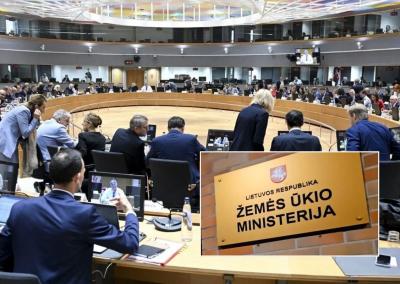
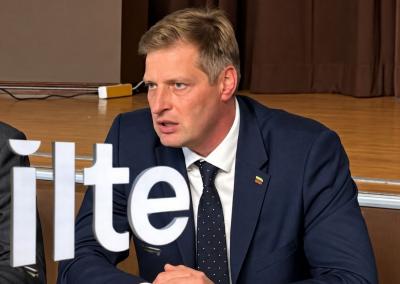
No direct fuel or fertiliser compensation scheme has yet been announced in Lithuania, apart from the recent green light given by Agriculture Minister Andrius Palionis to soft loans that will have to be repaid. This is not direct and non-repayable financial support.

Similar articles

Video