
































Estonians are to use drones for wild boar hunting
The Estonian Government has decided to step up the fight against African swine fever by utilising modern technology. A decision was taken on 7 May this year to allocate additional funding for disease prevention measures – the purchase of thermal imaging drones for use by hunters, reports Agri.ee.
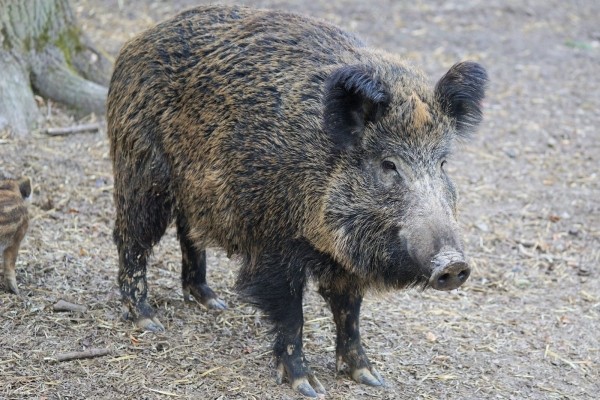
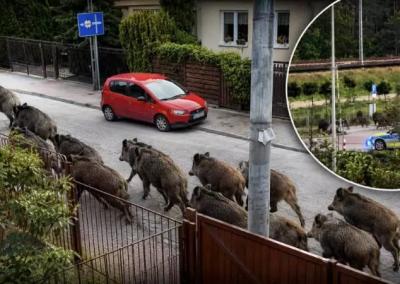
This measure is not intended to protect pig farms directly. The drones will be used to search for wild boars and manage their population in areas where the risk of African swine fever spreading is highest. It is wild boars that are considered the main reservoir of the virus in the wild; therefore, monitoring them and hunting them more effectively are among the most important disease control measures.
According to data from the Estonian Ministry of Regional Affairs and Agriculture, the Government has allocated around 65,000 euros for this purpose. These funds are earmarked for the purchase of ten thermal imaging drones, each costing around 6,000–6,500 euros.
Thermal imaging drones make it possible to detect animals even in dense vegetation, after dark or at night. Using thermal imaging cameras, they can quickly pinpoint the location of wild boars across large areas, enabling hunters to operate with far greater precision than when using traditional search methods alone.
This technology is particularly important where it is necessary to rapidly reduce the wild boar population around African swine fever outbreaks or in areas close to pig farms. The smaller the population of infected wild boars and the sooner sick or dead animals are detected, the lower the likelihood that the virus will spread to commercial farms.
The additional funding covers more than just the purchase of drones. The Estonian Government has also earmarked funds to encourage hunting, strengthen laboratory testing capacity, carry out sample testing and implement other biosecurity measures. This shows that the country views the control of African swine fever as a complex task in which both veterinary services and hunters play an important role.
The decision to invest in thermal imaging drones reflects a wider trend across Europe. An increasing number of countries are using unmanned aerial vehicles for wildlife monitoring and population management, as they enable information to be gathered more quickly, plan hunts more effectively and respond more swiftly to the spread of infectious diseases.
African swine fever remains one of the greatest threats to the European pig industry. As there is still no effective vaccine, the main measures remain strict biosecurity, continuous monitoring and the management of wild boar populations. Estonia’s decision to invest in thermal imaging drones is yet another example of how modern technology can play a vital role in this fight.

Similar articles

Video