














































It is proposed to allow the purchase of up to 10 hectares of state-owned land without an auction and to reduce the share of funding allocated to the Defence Fund
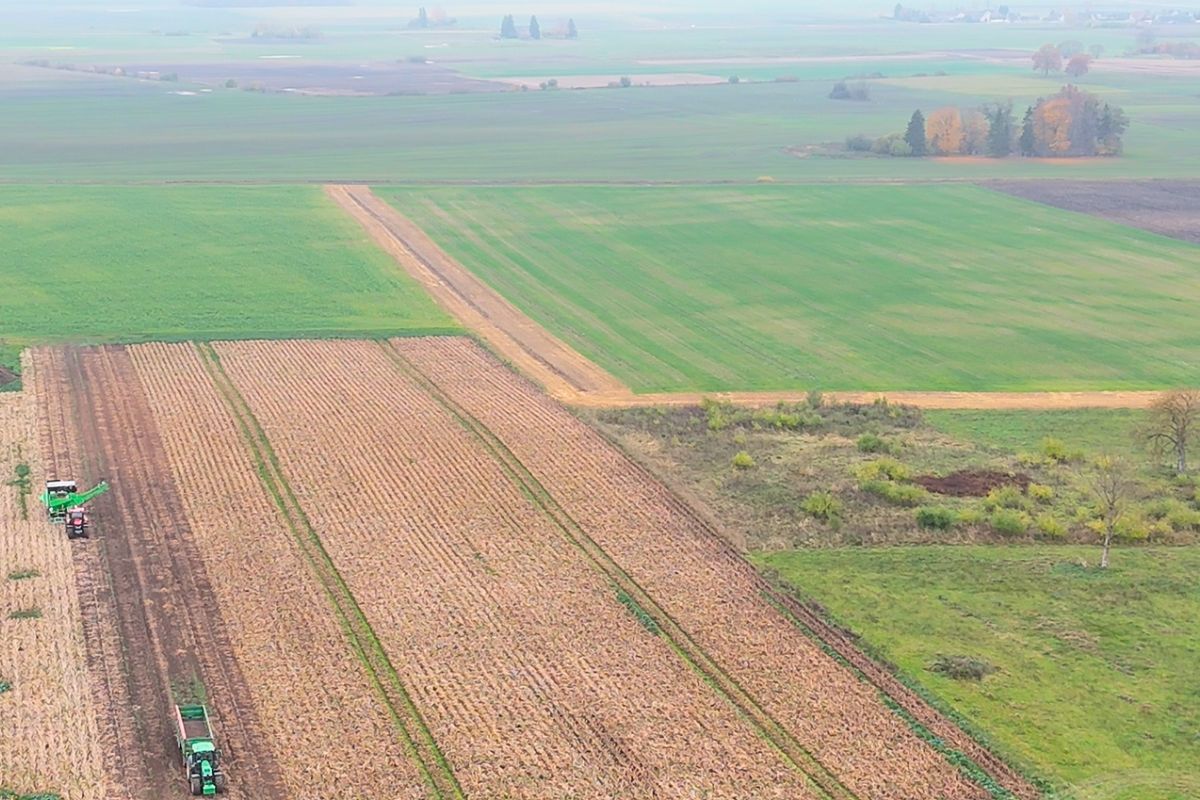
Several Members of the Seimas are proposing to allow farmers to purchase larger plots of state-owned agricultural land without an auction and to abolish the 25 per cent mark-up.
At the same time, it is proposed to review the distribution of revenue from land sales – reducing the share allocated to the Defence Fund and channelling more funds towards land improvement.
The aim is to improve conditions for farmers and put unused state-owned land to productive use, with a larger proportion of the revenue generated being allocated to improving the condition of the land.
Amendments to the laws on the acquisition of agricultural land and the State Defence Fund propose to stipulate that farmers or owners of private land adjoining state-owned plots would be able to purchase plots of up to 10 hectares without an auction. Currently, this limit stands at 3 hectares.
The explanatory memorandum states that this restriction prevents farmers from acquiring plots they are already cultivating, in which they have invested in planning, cadastral surveys and land improvement.
It is also proposed that the land be sold at its established net market value, waiving the requirement that its price be set by increasing the individual market value by 25 per cent.
Revenue – half for defence and land improvement
Furthermore, it is proposed to fundamentally change the allocation of state budget revenue generated from the sale of such plots, with 50 per cent earmarked for the Agricultural Data Centre – for the renovation of land drainage structures and the reduction of derelict land – whilst the remaining 50 per cent would go to the State Defence Fund.
Currently, 80 per cent of the revenue is transferred to the fund, whilst a further 10 per cent each is allocated to the National Land Service (NŽT) and the Agricultural Data Centre – for land improvement works.
“The State Defence Fund would continue to receive a significant share of the revenue from the sale of state-owned agricultural land. (...) This would reconcile two national policy priorities – the funding of national security and the improvement of the condition of agricultural land and land improvement infrastructure“, – as stated in the explanatory memorandum to the draft bill.

Similar articles



Video