









































































ŽŪDC: although production costs are rising, the prices of some food products are falling due to cheaper raw materials

Prices of some food products remain lower than a year ago, as raw materials are not rising in price as rapidly as energy or fuel, says Irma Jankauskienė, Head of the Market Information and Economic Analysis Department at the Agricultural Data Centre (ŽŪDC).
“Food products are holding their own against inflation because, in some cases, raw materials are not rising in price as rapidly as energy and fuel costs,” – she told LRT Radio on Thursday.
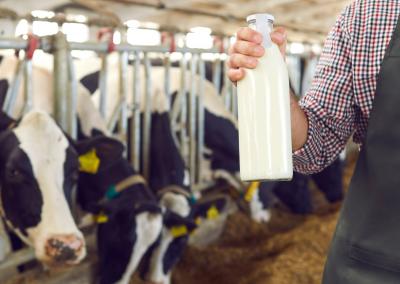
She cited milk prices as an example, which are lower this year during the corresponding period than they were last year. According to the ŽŪDC representative, these raw material prices are also important for the price of butter, as this product depends on the price of cream.
“Milk with a natural fat content is about 20 per cent cheaper here during the corresponding period than last year. When the raw material is cheaper, this can keep the price of that milk lower too,” – she said.
According to I. Jankauskienė, this price chain is currently allowing the prices of some products to remain lower than a year ago, despite rising production costs.
“This is the pattern: the chain is still keeping prices lower than last year, compared to what might be expected given the rising prices,” she said.
According to I. Jankauskienė, it remains to be seen whether this trend will continue and how long it will take for changes in raw material prices to be reflected in the final prices of food products.
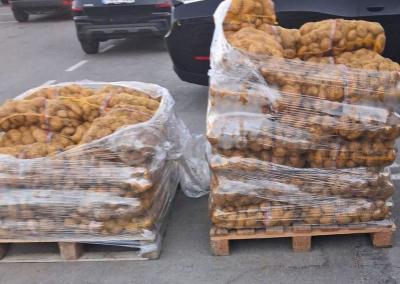
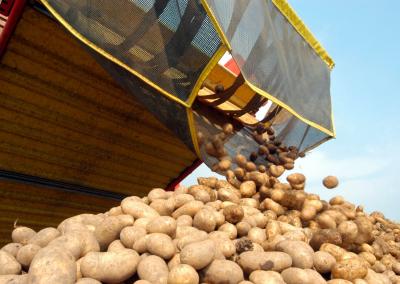
As reported by ELTA, according to data from the State Data Agency, the biggest price falls over the year were seen in fresh stone fruit and pome fruit – 22.5 per cent, potatoes – 10.9 per cent; butter and other milk fats and oils; and audio and video reception, recording and playback equipment – 10.5 per cent.
According to “Pricer.lt” food sector manager Petras Čepkauskas, food prices rose by an average of around 40 per cent during the price surge that occurred during the 2022 crisis; since then, despite subsequent price reductions, prices have not returned to their previous levels.

Similar articles





Video