


















Almost 1800 dairy farms closed down in a year amid 'justified' missions by Palionis' advisers
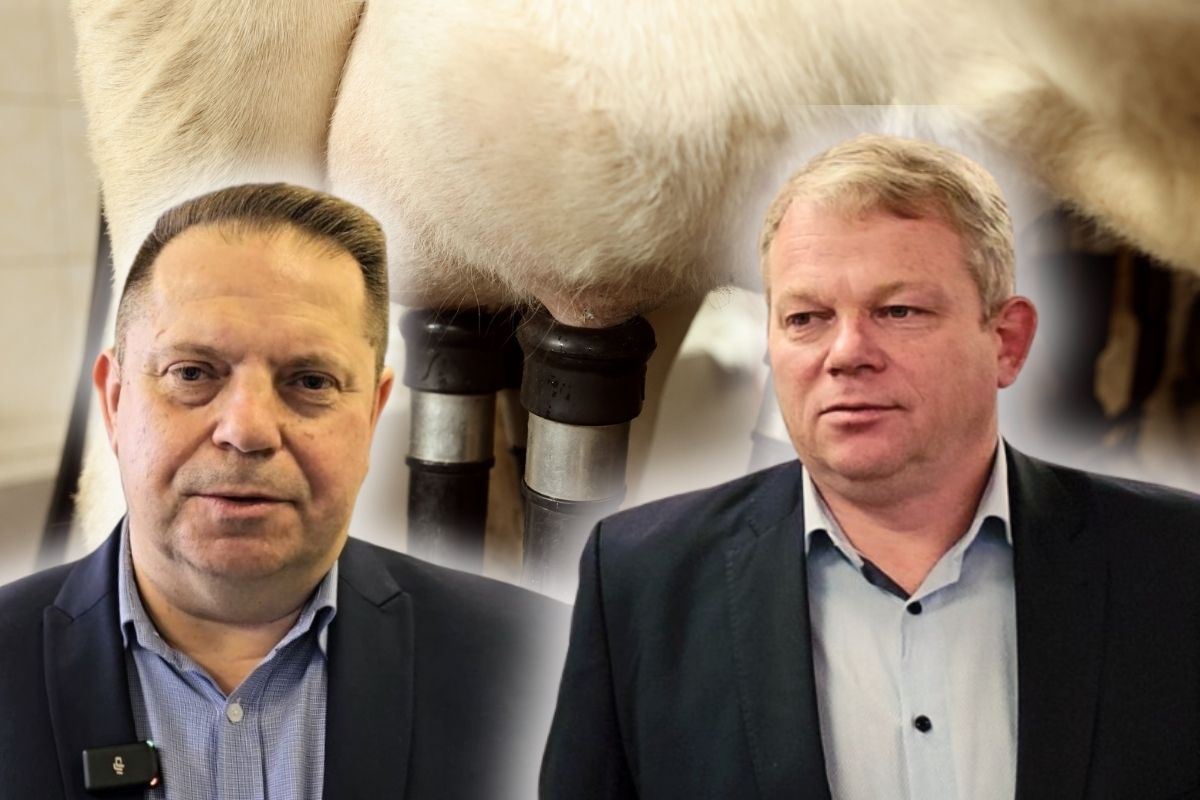
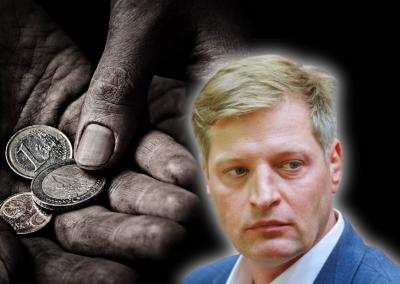
EUR 4 481.29 has been earmarked for the travel of advisers to the Minister of Agriculture, Andrius Palionis, in 2025. At first glance, this is a small sum. However, when taken together with the advisers' salaries and the intensity of the missions, it begs the question: do these trips create any real value for the agricultural sector?
According to the ministry's data, the average monthly salary of the minister's advisers in 2025 was around €6,036.
Mr Vorobjov's month of business trips – more than 30 visits
Data from the Ministry of Agriculture (MAA) show a marked disparity in the activity of advisers.
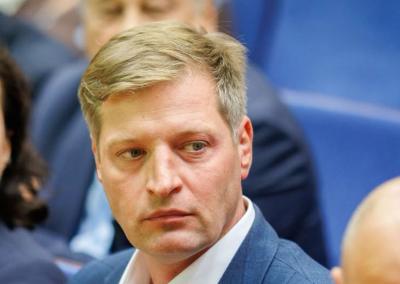
Adviser Genadijus Vorobjovas had the highest number of business trips – he visited 31 cities and districts in Lithuania in 2025, as well as went on one foreign business trip.
Other Councillors were much less mobile. For example, Mindaugas Petkevičius went on 11 missions in Lithuania and one abroad, Roberta Leščevičiūtė-Romikaitė – on 4 missions in Lithuania. However, both of them are no longer with the Ministry.
Minister Palionis currently has two advisors, Gennady Vorobyov and Darius Puchovic. The latter only started work at the beginning of this year.
The ministry stresses that the missions are necessary – they identify problems on farms, which are then turned into solutions.
„The information gathered during the missions is used to develop concrete solutions“, – the Ministry's reply said.
Intensity – normal, but is it effective?
G. Vorobjovas travelled on more than 30 missions to Lithuania in 2025. Is this intensity of missions considered normal?
„More than 30 trips per year means an average of 2–3 visits per month, so this intensity is not unusual, especially given the nature of the areas under Mr Vorobyov's supervision“, – replies the MAF.
He is responsible for livestock farming, veterinary medicine, animal welfare, breeding, conservation of genetic resources, as well as for phytosanitary and part of fisheries. These are areas of particular relevance, especially given the difficulties currently facing the dairy sector – milk purchase prices are falling and small and medium-sized farms are withdrawing from the market. This shows that even active work in the regions does not always translate into tangible change.
This is confirmed by the ministry itself, which could not name any specific legislation or decision that was born out of the missions.
The responses are dominated by abstract formulations such as „contributing“, „initiating discussions“, „revising requirements“, „working hard“.
When asked to name specific decisions or legislation initiated after the missions, Mr Vorobjov did not wish to comment in detail, but merely referred to the information provided by the Ministry.
G. Vorobjovas belongs to the „Nemunas aušros“ party, with which he unsuccessfully ran for the Seimas.
Minister Palionis supports
The Ministry stresses that business trips are part of direct work. However, this model implies that a significant part of an adviser's work is done through travel.
The question naturally arises as to how much time is then left for analytical work and for translating the information gathered into concrete decisions.
The lack of concrete results – identification of legislation, initiatives or changes – casts doubt on the effectiveness of this working model.
„It is important to stress that change is not usually instantaneous – it comes through consistent work–, says the MAF.
According to the ministry, Palionis also takes the position that secondments are necessary and their effectiveness is measured by whether the information gathered is turned into decisions.
But without clearly identified solutions, this link remains declarative.
While the advisors have been travelling around Lithuania, there has been a recent increase in the number of advertisements on social networks for whole herds of dairy cattle for sale.
In January 2025, there were 16 349 dairy farms in Lithuania. As of 1 January 2026, the number of dairy farms will be 14 571, or almost 1 800 fewer than a year earlier. In the first three months of this year, the number of dairy farms has shrunk by another 130.

Similar articles
Video