































































Oil prices rose by more than 5% amid growing concerns about the blockade of the Strait of Hormuz.
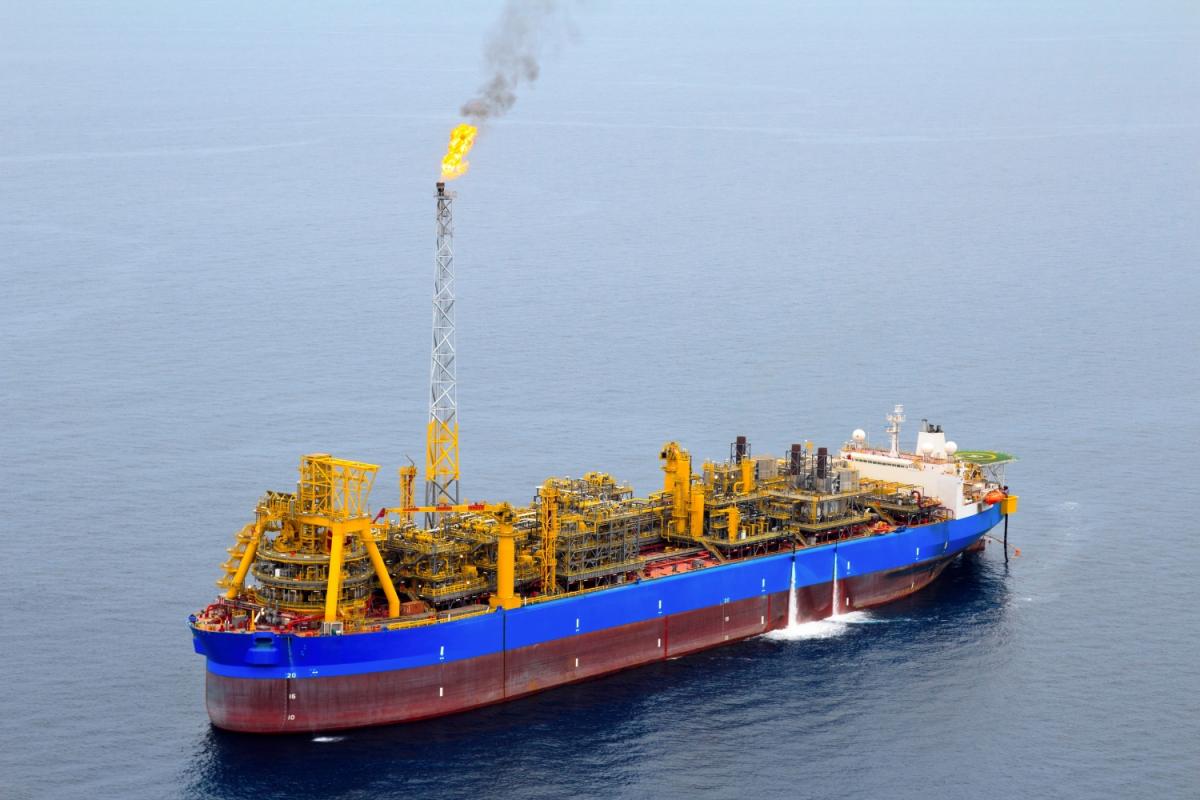
Oil prices jumped by more than five per cent on Tuesday as allies rejected Donald Trump's demand for security assistance in the crucial Strait of Hormuz and Iran continued its crackdown on its oil-exporting neighbours.
The jump in oil prices follows Monday's sharp drop after the head of the International Energy Agency (IEA) said more stockpiles could be used if needed.
At the time, most stocks continued Monday's uptrend, with interest in technology companies rising after „Nvidia“ announced plans to generate at least US$1 trillion in revenue by the end of 2027.
Investors are also awaiting a host of central bank decisions this week. Analysts say that renewed interest rate hikes could be expected to offset a possible spike in inflation due to the rise in oil prices.
Australia announced on Tuesday that it had increased borrowing costs due to a "sharp rise in fuel prices".
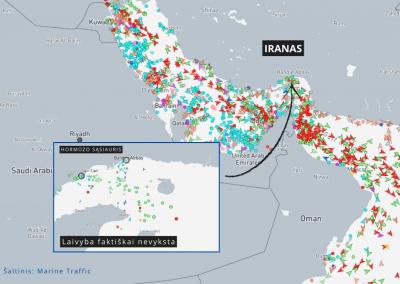
Over the weekend, Trump called on allies in Europe and elsewhere to help open the Strait of Hormuz, which has been effectively closed by the Islamic Republic, saying that securing the waterway „was always going to be a team effort, and now it will be“.
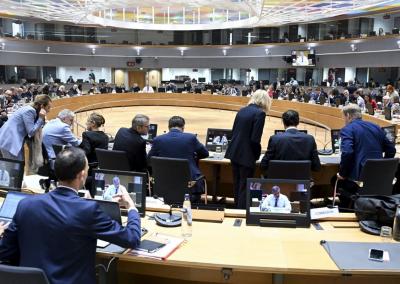
But allies poured cold water on the US president's hopes on Monday, with German Chancellor Friedrich Merz saying that the war that erupted after the US-Israeli strikes on Iran was "none of NATO's business"; Britain, Spain, Poland, Greece and Sweden also distanced themselves from Trump's calls.
Australia and Japan have also decided not to contribute.
The US president told the Financial Times on Sunday that NATO would face a "very bad" future if the allies refused to help, and on Monday announced that he had asked for a postponement of his meeting with Chinese leader Xi Jinping on the issue by "about a month".
With markets showing no sign of an end to the crisis any time soon, prices of both major grades of oil have soared. Both „West Texas Intermediate“ and „Brent“ prices rose by more than 5% to above USD 100 per barrel, followed by a slight decline.
They had fallen on Monday after IEA chief Fatih Birol indicated that member countries „could open up more strategic oil reserves if needed“, even though they had already agreed to bring a record 400 million barrels of crude oil to market last week.
Stock prices continue to rise
Traders were also cheered by news from ship tracking service Marine Traffic that a Pakistani oil tanker has become the first non-Iranian tanker to pass through the Strait of Hormuz with its automatic transponder system activated.
But attacks on oil facilities in the Middle East have not stopped. Qatar reportedly intercepted missiles, although explosions were heard in Doha on Tuesday and an oil tanker off the coast of Oman was hit by an "unknown projectile".
At the same time, Israel reported a "broad wave of strikes" in Tehran and attacks on Hezbollah in the Lebanese capital Beirut.
On Monday, drone strikes hit major oil fields in the United Arab Emirates and Iraq, and on Tuesday morning a drone and missile attack targeted the US embassy in Baghdad, a security official said.
The surge in oil prices continued to have no impact on share prices. On Asian stock exchanges, share prices rose, boosted by „Nvidia“ announcements on its earnings plans, which allowed investors to take some respite from the events in the Middle East.Seoul stood out in terms of the pace of the rise, with its index jumping by around 50 per cent since the start of the year and before the start of the war, with a rise of more than one per cent recorded there. A similar rise was recorded in Taipei, where the microchip giant „TSMC“ is listed on the stock exchange.Share prices also rose sharply in Hong Kong, Sydney, Singapore, Mumbai, Bangkok, Jakarta and Manila, while Tokyo and Shanghai fell.
At the opening bell, London recorded a rise, while Paris and Frankfurt – a fall.All three major Wall Street indices ended the day significantly higher than they started.

Similar articles
Video