




























































































Shipping in the Strait of Hormuz is still not operating. Monday is anxiously awaited
With the continuing escalation of military conflict in the Middle East, where Israeli and US forces launched a military operation in Iran on Saturday that has already claimed the lives of Iran's religious leader Ayatollah Ali Khamenei and many military commanders, global markets are anxiously awaiting Monday's opening of financial and commodity markets.
The Hormuz Strait is not yet open for shipping. It is one of the world's most strategically important maritime corridors, carrying around 20 million barrels of oil and petroleum products every day (around 20% of the world's oil consumption). In addition, this stretch, which is only 33 kilometres wide, carries around 20-30% of the world's LNG trade, especially from Qatar, which is one of the world's largest LNG exporters.
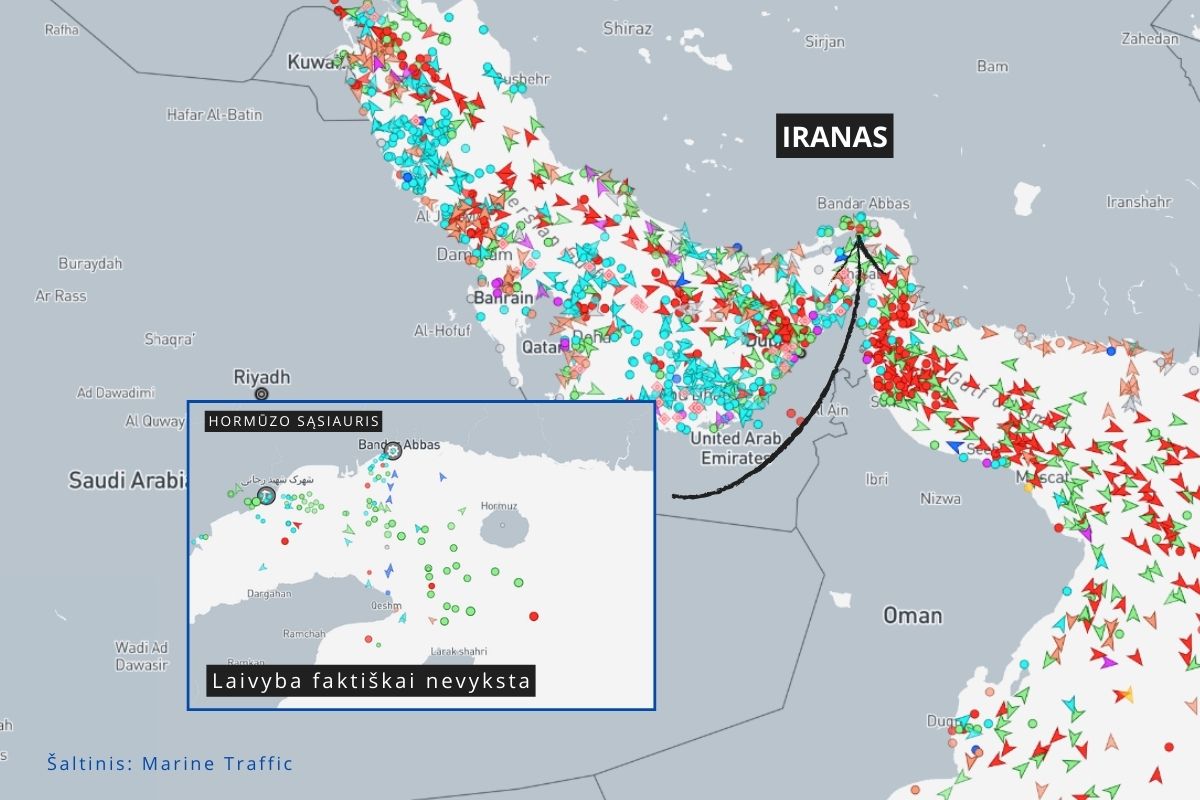
As the global shipping monitoring platform „Marine Traffic“ showed on Sunday afternoon, the vast majority of ships in the approaches to the Strait of Hormuz were just standing still.
There is no decision by the Iranian authorities on the closure of the Strait, but many shipping companies have suspended operations for safety reasons. "Marine Traffic" data shows a build-up of vessels and stops, but this does not mean an official ban so much as a practical avoidance of the risky area.
It is pointed out that the Asian countries – China, India, Japan and South Korea – import the bulk of the Gulf's oil and gas, and therefore their energy security is directly linked to the stability of the Strait of Hormuz.
Europe and North America are also important for this route because of the global pricing mechanism: even if supplies to a particular market were not disrupted, global prices for "Brent" or "WTI" oil would react instantaneously. Historical experience shows that geopolitical tension signals alone can raise the price of oil by 5–15% in a matter of days, while real supply disruptions can lead to even larger spikes.
Iran says it has no plans to stop shipping
Iranian Foreign Minister Abbas Arakchi‘s told Al Jazeera“ television channel on Sunday evening that the country does not intend to close the Strait of Hormuz completely.
„We have no plans to close the Strait of Hormuz at this stage, we have no plans to take any measures that would hinder shipping in the Strait at this stage“, – Arakchi‘ said, seemingly contradicting the actual data from shipping platforms.
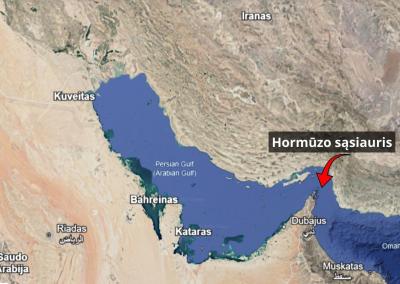
The Strait of Hormuz connects the Persian Gulf with the Gulf of Oman and the Arabian Sea. The northern coast belongs to Iran and the southern coast belongs to the United Arab Emirates and Oman.
The Strait is an important supply route for oil and liquefied natural gas (LNG).
For its part, CNN analysts predict that "Brent" grade oil is expected to rise in price by $10-12 per barrel – up to around $80 per barrel, after taking into account only the start of the US-Israeli military operation itself.
According to ICIS Energy Director Ajay Parmar, the price of Brent crude could rise to $100 per barrel if the Strait of Hormuz transit is disrupted for an extended period. Analysts at RBC and Barclays also predict that prices could rise above USD 100 per barrel in the event of a permanent disruption.

Similar articles



Video