
































War in Iran pushes up fertiliser prices, food price concerns

According to German experts, the war in Iran has pushed up the price of mineral fertilisers by 30-40% since the beginning of the year, threatening global food prices.
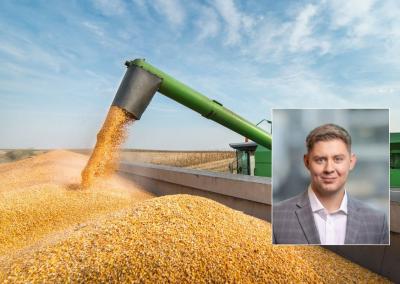
„Nitrogen fertiliser prices on the world market are increasingly approaching the peak levels seen at the start of Russia's war against Ukraine in February 2022“, says Philipp Spinne, Managing Director of the German Cooperative Union (DRV).
But consumers in Europe have not yet felt the effects directly, as many farmers have already bought fertiliser for spring before the war in Iran started, the Bavarian Farmers' Association told the dpa news agency.
Nevertheless, the association warns that if the war drags on, production costs in Germany and other countries are likely to rise, as well as producer prices.Four years ago, when Russia launched a full-scale war against Ukraine, some experts feared a threat to global food security, but their fears have not been confirmed.
This is partly because Russia, a leading fertiliser producer, has taken advantage of the invasion of Ukraine and even increased its fertiliser exports.
Since then, the European Union has gradually increased tariffs on Russian nitrogen fertiliser.
With the price of gas, fertiliser prices automatically rise. However, if farmers use less fertiliser, crop yields suffer.
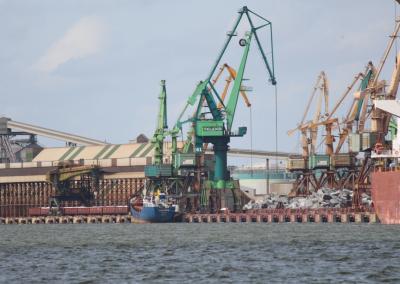
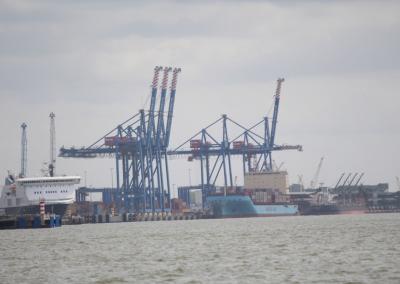
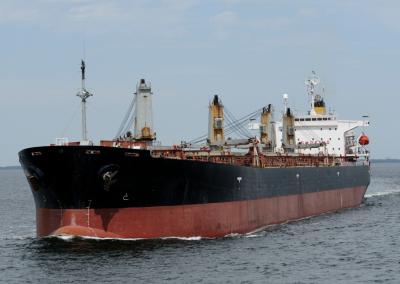
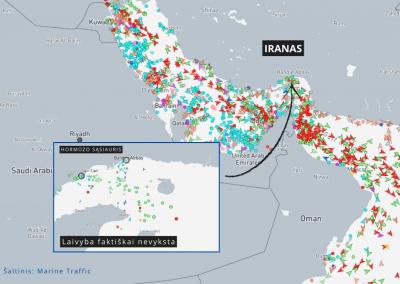
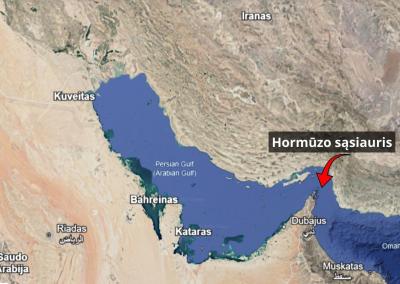
Although around one third of the world's urea and around 20% of its ammonia is shipped through the Strait of Hormuz, the direct impact on Europe is so far considered minimal.
„Europe has hardly imported any fertiliser from the conflict region for many years now,“ says a spokesman for the German Agricultural Industry Association (IVA).
In the case of Germany, around 75% of nitrogen fertiliser demand can still be met by local production, while for potash fertiliser – a little more.
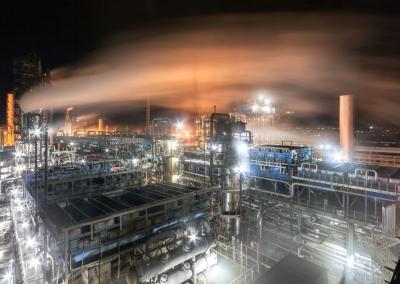
However, the indirect impact of higher gas and LNG prices on the European chemical and fertiliser industry is already being felt to a large extent.
The sharp rise in gas prices in Western Europe as a result of the war in Ukraine has already weakened the domestic chemical industry.
In response, the German Agricultural Industry Association (IVA) is calling for a strengthening of domestic production. The association also advocates higher tariffs on Russian potash.

Similar articles
Video