































































When imports become weapons: China's soybean card - a trump card for pressure in the US elections?
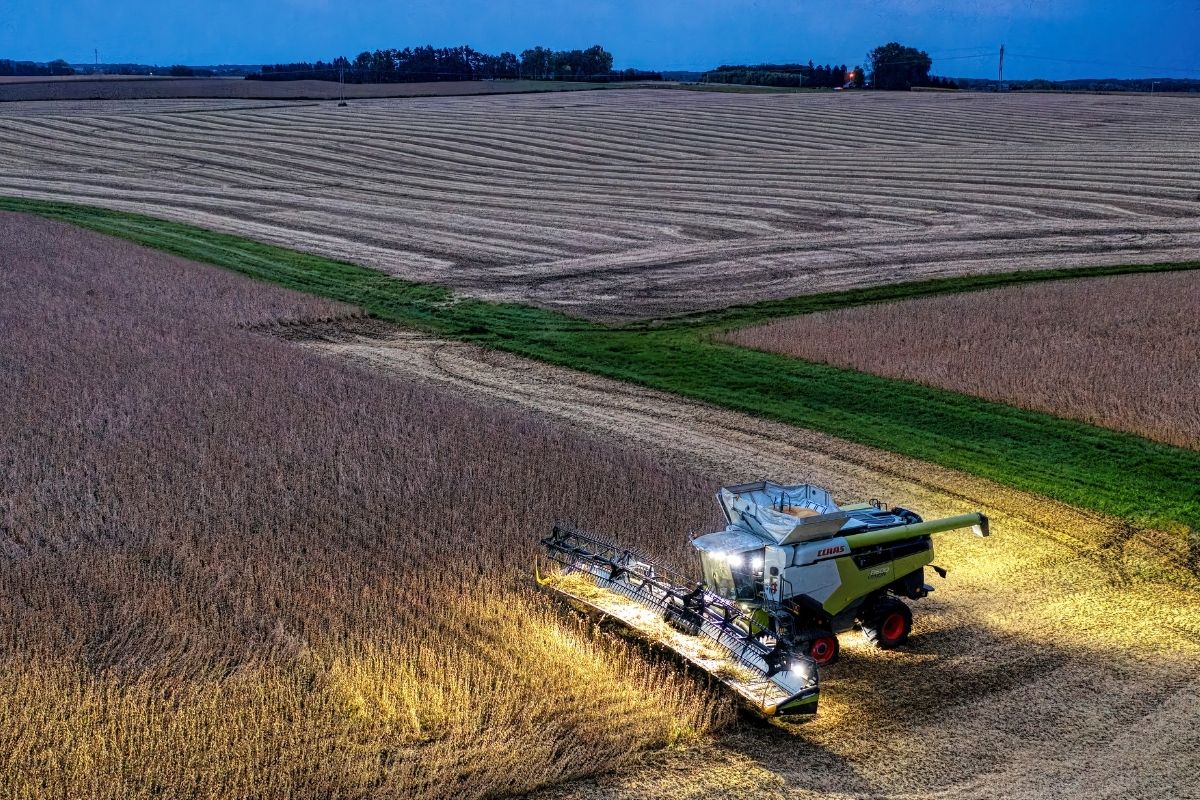
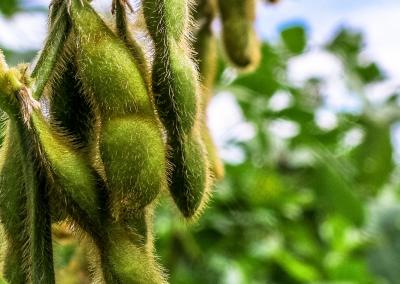
Over the past few years, China's strategy to reduce its dependence on soy imports has not yet become a reality; instead, Beijing has become even more dependent on foreign suppliers, and in particular on Brazil, radically changing the dynamics of the global soy market.
According to Chinese customs data, China imported a record amount of soybeans in 2025 - 111.8 million tonnes, 6.78 million tonnes more than in 2024 - and these imports accounted for around 84% of the country's total soy consumption. This confirms that the country is still highly dependent on importers.
During 2018. China produced around 16 million tonnes of soya while importing 88 million tonnes, with a self-sufficiency rate of a meagre 15.4%. While domestic production increased slightly to 20.9 million tonnes by 2025, imports grew even faster to 108–111.8 million tonnes. As a result, the overall level of dependence on foreign supply remained very high and even increased slightly compared to 2024.
China's drive for greater self-sufficiency has been enshrined in key agricultural documents as well as in the so-called „Document 1“ list of priorities, which saw the country's top leaders, including Xi Jinping, announce ambitious plans to increase soy production and reduce imports as early as 2019. However, the reality turned out to be different: instead of a significant increase in self-sufficiency, China's soybean production did not actually show a significant change between 2022 and 2025, with the self-sufficiency rate exceeding 18% only briefly and even declining in 2025.
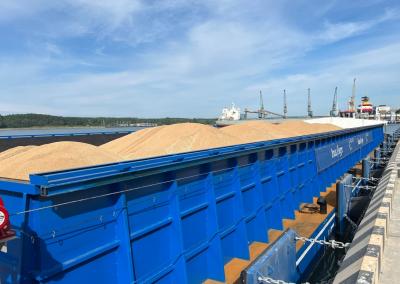
Brazil has become China's main supplier of soybeans: in 2025, it exported around 82 million tonnes to China – this allowed Beijing to almost completely suspend imports from the US and other countries, causing great concern for the US agricultural sector. According to customs and trade data, monthly import flows from Brazil have often exceeded previous records, while imports from the US have been virtually non-existent – in September, imports of soybeans from the US were zero. This was the first time this has happened in 7 years.
Experts point to the failure of China to increase the area under soybean cultivation as the reason why the most fertile land is being used to grow maize. In addition, local farmers are often unable to market their produce due to lower local demand and lower quality compared to imported soybeans.
All this shows that China's strategy of self-sufficiency in soya has largely run its course. While Beijing's official rhetoric still refers to the objective of increasing this self-sufficiency, the actual results show that the country has remained dependent on imports and that the demand for soy in very large quantities, especially for animal feed, remains huge. This situation implies not only geopolitical implications – for example, greater dependence on Brazil or the impact of trade relations with the USA – but also a major impact on the global soy price structure and supply chain, which could be severely unbalanced by any unexpected trade disruptions.
Politically, it is evident that in the context of the trade war with the US (in particular the tariffs imposed), China continues to put pressure on President Donald Trump. US soybean growers have traditionally supported mainly the Republicans, to which Mr Trump belongs. However, their political support is not unambiguous and can vary depending on political issues. Their votes could be important in the US Congressional elections in November this year. Therefore, the fact that US soybean imports to China have virtually stopped could weaken support for Republicans in the agricultural states if they cannot find other import markets or have to provide a costly compensation mechanism for US farmers.In conclusion, China's soybean policy shows that it is not economically and structurally sufficient to increase domestic production and reduce imports – the strategic ambition of self-sufficiency remains more symbolic than real. However, it is also important to note that China's agricultural policy today is no longer just a matter of food security – it is a mechanism of geopolitical influence. After all, in the global soybean trade, China accounts for around 60% of global imports.

Similar articles
Video