




































Bonuses for yourself, risks for farmers: what the decisions of the MAA show
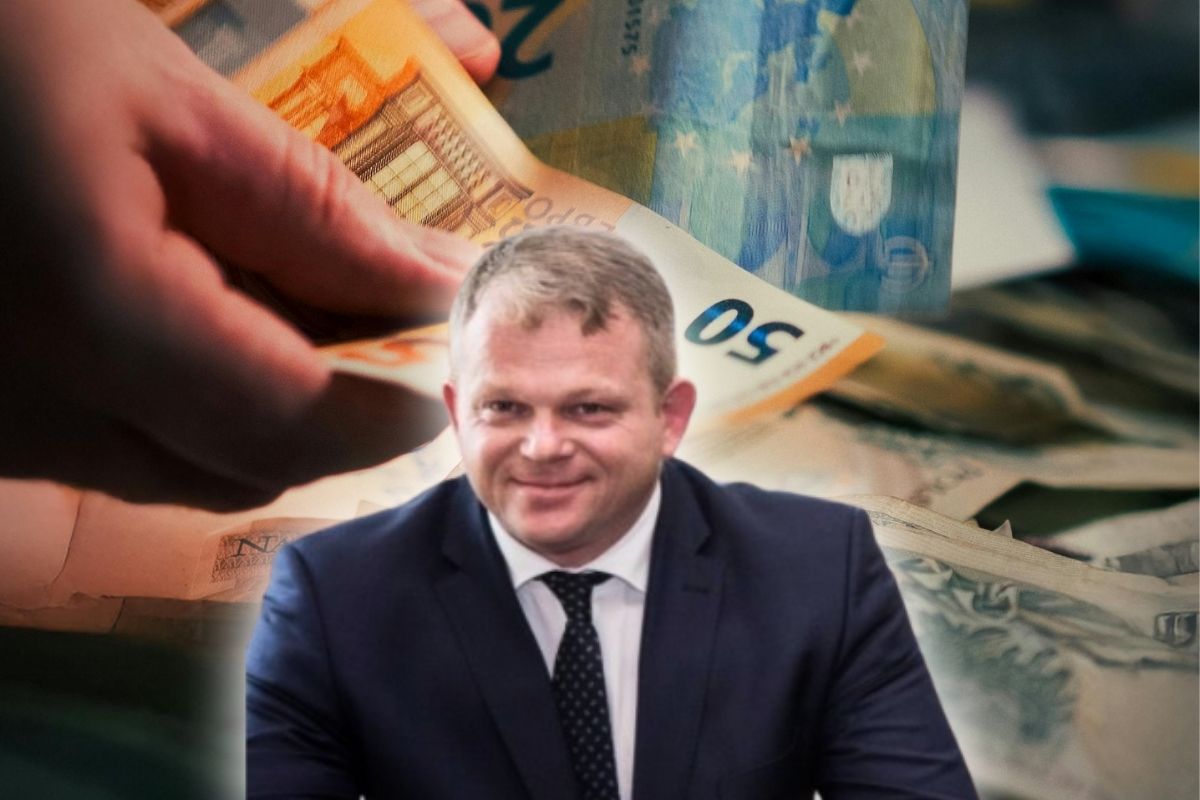
Agriculture Minister Andrius Palionis blessed that the political team under his leadership and some of the specialists of the Ministry of Agriculture (MAA) have performed so well this year that they deserve the so-called thirteenth salary.
Recently, 6 civil servants of personal (political) trust and 16 civil servants of the Ministry of Agriculture have been paid more than €46,000. Political trust officials received a cash allowance of one salary per post – effectively an additional thirteenth salary.
According to the MoFA, the incentive payments were granted not only to persons of political trust, but also to the staff of the Finance and Budget, Strategic Planning, Sustainable Agricultural Production and Food Industry, Land Reclamation, Agricultural Land and Infrastructure, Crop Production and Green Technologies, Centralised Internal Audit, Cooperation and State Aid, Asset Management, Public Procurement, International Affairs and Export Promotion Units.
In its reply of 14 November, the Ministry explained that at the end of the year, if there are savings left over (due to sickness, vacant posts, etc.), staff may be granted cash incentives in accordance with the procedures laid down by law. It was also pointed out that, according to the State Audit Office's survey of 20 May 2025, the remuneration of the staff of the Ministry of Agriculture is the lowest in comparison with other ministries.
However, it was only after further enquiries that „Agrobite“ found out that incentive payments will also be made to the Minister's Cabinet, with a significant part of the savings being earmarked for this. This was not highlighted in the Ministry's initial reply.At the same time, it should be noted that the vast majority of the institutions under the Ministry of Agriculture have refrained from making similar payments this year. The Ministry has chosen a different path.
„Agrobitė“ recalls the previous resonant decisions related to the activities of A. Palionis. When he was Deputy Minister of Agriculture, he proposed to transfer the financing of farmers' projects from the Rural Development Programme to the Strategic Plan. This led to a funding gap of more than €20 million, and the risk of payment was shifted onto the shoulders of farmers, who relied on the State's commitment.
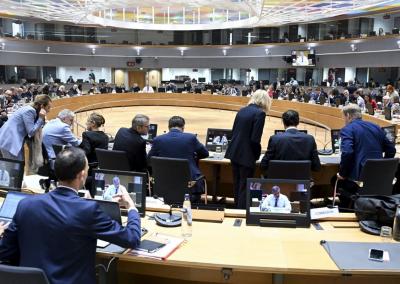
Another significant highlight came on 26 November, when Palionis, already Minister of Agriculture, signed a note to the European Affairs Committee, which did not oppose the EU's Mercosur Free Trade Agreement, an agreement that has been criticised by some farmers' organisations because of its impact on Lithuania's agriculture.

Similar articles

Video