

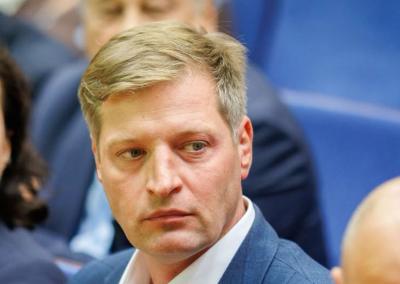








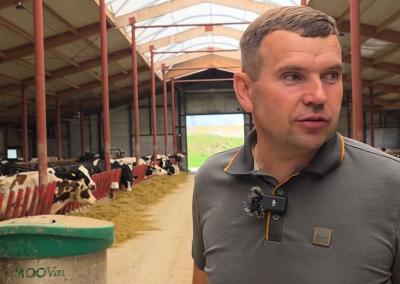




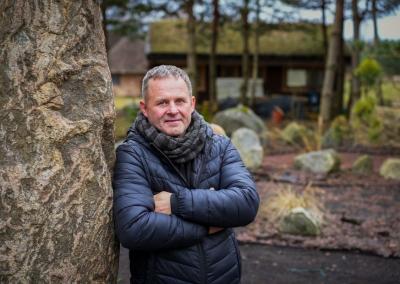















Aurelijus Veryga: no more cows, no more manure, we'll all eat grass and we'll all eat ourselves
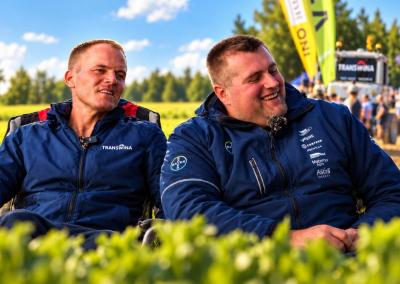
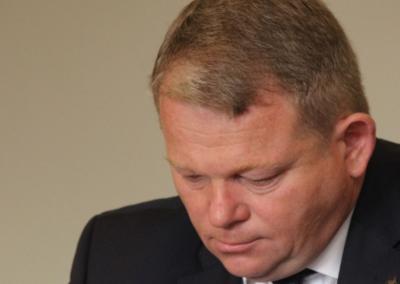
This is how MEP Aurelijus Veryga reacted to Germany's draft 2030 Climate Protection Programme, which makes agriculture a key sector for achieving emission reduction targets, and raises even more questions about why farmers are once again becoming, willy-nilly, the spearhead of the climate change agenda.
„We are inexorably approaching the moment when cows will no longer fatten, manure will no longer stink, and we will all eat grass and feed ourselves. There will be no one to blame. Progress“, – said A. Veryga in a post on „Facebook“.
According to the German government's blueprint, the country aims to reduce its greenhouse gas emissions by at least 65% below 1990 levels by 2030, and to reach full climate neutrality by 2045.
To this end, it plans to subsidise the purchase of electric vehicles and expand infrastructure. It also provides for unfavourable solutions in agriculture to meet climate change targets.
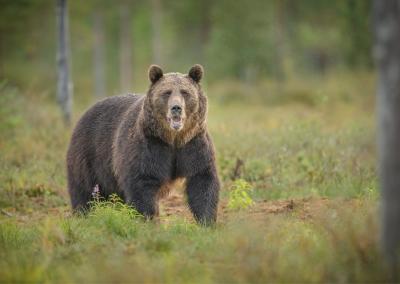
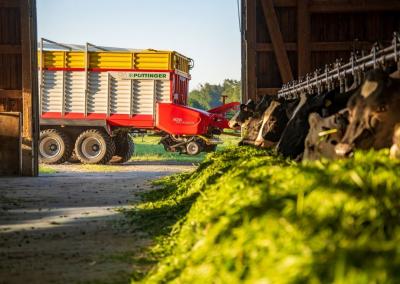
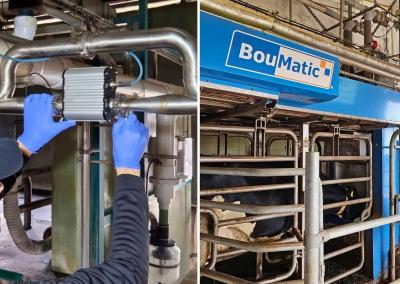
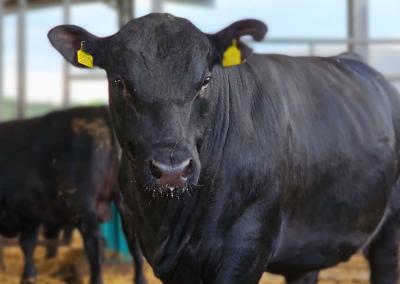
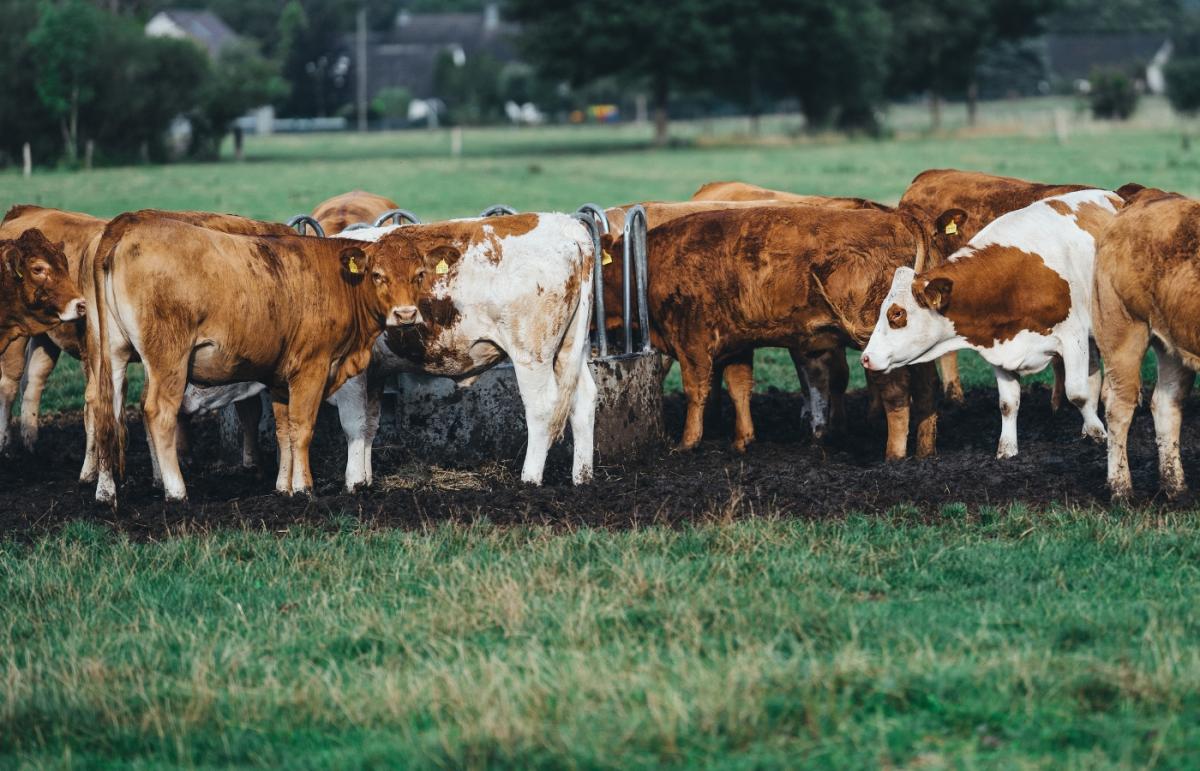
One of the most controversial measures – the so-called methane metering programme for cattle. It would analyse the gases emitted by cattle and, in the future, plans to promote selective breeding to reduce methane emissions. Germany considers livestock farming to be one of the most important sectors where significant emission reductions can be achieved.
It is also planned to ban the registration of new internal combustion engine cars by 2035, and by 2040 electric cars should account for around 70% of the total car fleet. The state will provide subsidies of up to €6,000 for electric cars, depending on income and family size, while fuel prices are expected to rise due to higher CO₂ taxes.
The Climate Plan also foresees investments of €10 billion annually. Last year, for example, Germany spent €59.5 billion on all climate protection measures.
Some countries are already considering methane taxes or livestock restrictions, and farmers fear that climate policy could become an additional financial burden. For Lithuanian farmers, this debate is relevant for two reasons.
Firstly, Germany is one of the most important agricultural policy makers in the EU and its decisions are often reflected in the overall European regulatory environment. Second, if methane emission reductions become one of the main priorities of climate policy, this could also have a direct impact on the livestock economy in the Baltic States. Balancing climate objectives and agricultural competitiveness will therefore become a key issue in European agricultural policy in the coming years.

Similar articles



Video