
























Lithuania approves the EU-Mercosur Treaty. What happens next and what does it mean for agriculture?
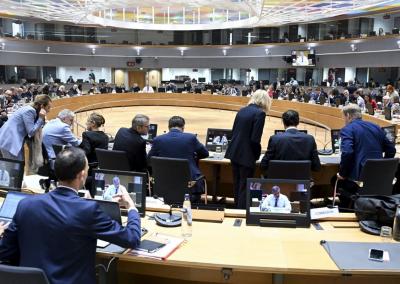
European Union member states on Friday backed a trade agreement with the South American bloc "Mercosur". This marks a step towards the largest free trade agreement between the EU and a third country in history. After more than 25 years of negotiations and political debate, the vote in the EU Council showed that a qualified majority of Member States supported the agreement, which provides for greater integration of goods markets between the European Union and Argentina, Brazil, Paraguay and Uruguay.
The vote showed a clear dividing line between EU Member States, with France, Poland, Hungary, Ireland and Austria voting against the agreement, while Belgium abstained, and the remaining 22 Member States, including Lithuania, supported the agreement. This support provided the qualified majority needed for the formal conclusion of the agreement and the preliminary political agreement on its signature.
This decision is a historic and geopolitical step: the free trade area is expected to reach more than 780 million consumers, and trade between the EU and Mercosur could increase significantly; EU exports to South America amount to tens of billions of euros and are important for the regional economic partnership.
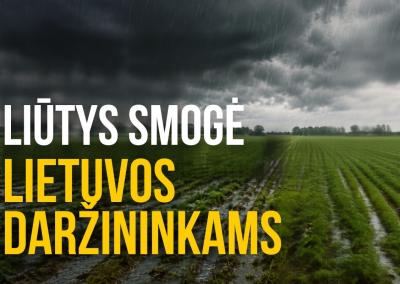
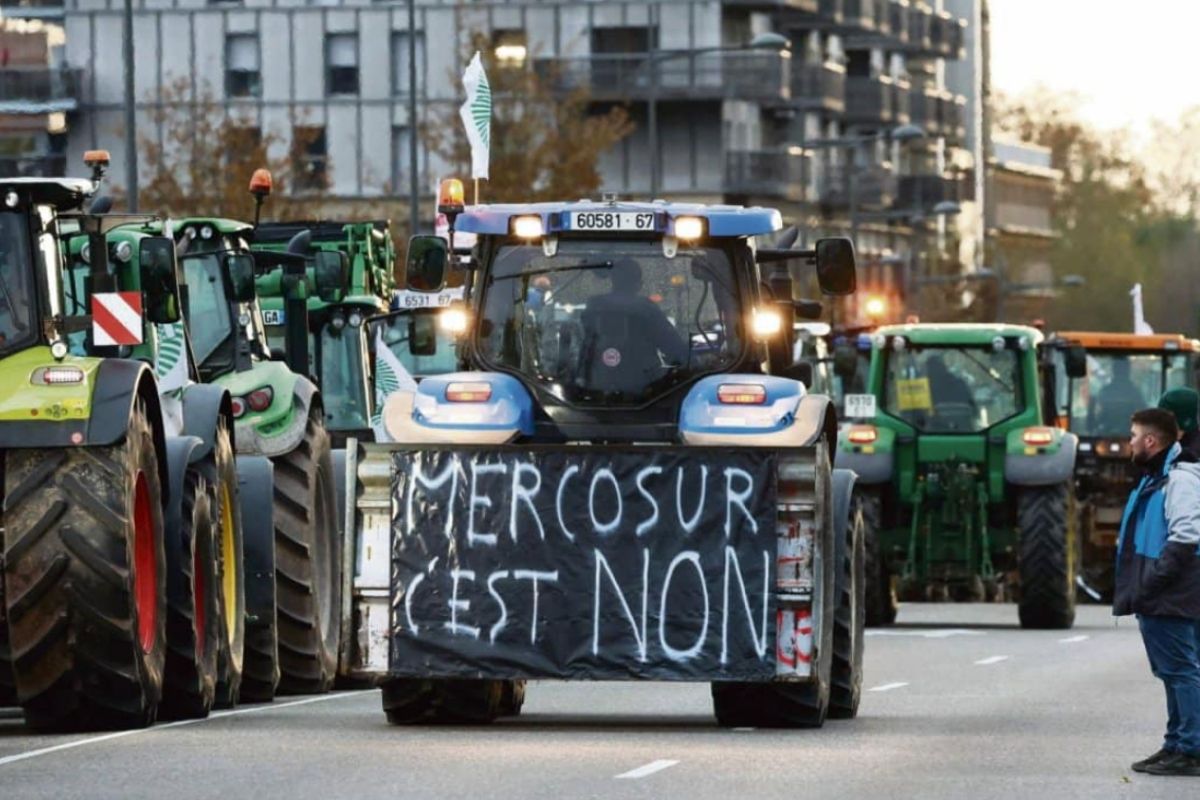
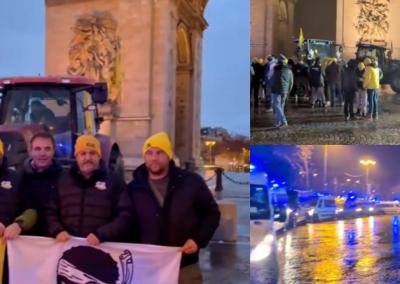
The agreement was not, however, adopted without considerable debate and signs of political tension. In France and other countries, protests against the agreement have become massive, with farmers blocking roads in areas such as the Eiffel Tower and the Arc de Triomphe in Paris to protest against the potential influx of agricultural imports that threaten them.
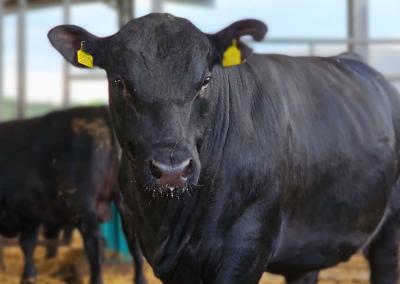
French President Emmanuel Macron has announced that the country will vote against the agreement. Hungary has also voiced its official opposition, arguing that the trade deal could harm local farmers by allowing cheaper South American agricultural goods to fill the European market. Irish farmers are particularly worried about the possible penetration of the EU market by lower quality Brazilian beef and other products containing hormones.
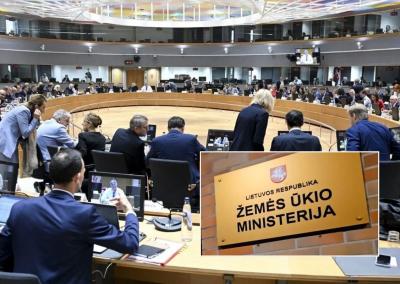
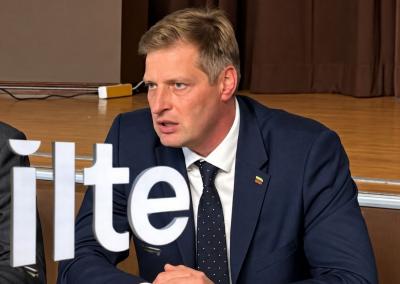
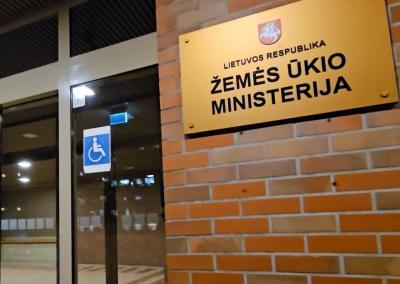
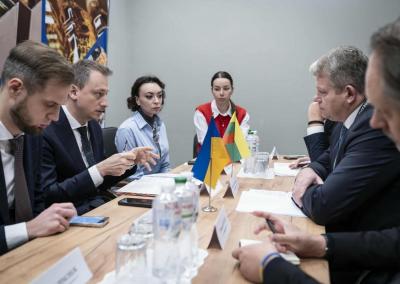
For its part, Lithuania's position was outlined to Agrobitei earlier by the Ministry of Foreign Affairs of the Republic of Lithuania, which stated that the agreement was "in principle agreed", and that the current Minister of Agriculture, Andrius Palionis, had given a favourable note to the European Affairs Committee.
Nevertheless, many EU countries, including Germany, Spain and Italy, have clearly underlined the benefits of the agreement in opening up new export opportunities for European producers and reducing the EU's dependence on single markets such as China or the United States. According to estimates by business and trade analysts, the elimination of most tariffs could increase exports of European goods to the MERCOSUR region by tens of billions of euros per year by eliminating up to 93% of tariffs on certain goods.
It is important to note that this agreement does not enter into force automatically: it will have to be ratified by the European Parliament, where plans to protest against the agreement have already emerged and further discussions or even legal challenges are expected to delay final implementation. However, the result of the vote at EU level signals a strong political mandate to go ahead and provides the basis for the planned signing ceremonies.
In conclusion, the EU vote on the Mercosur trade agreement reflects the deep political, economic and social debate among EU members. It is a significant step towards global trade liberalisation, but at the same time it poses challenges to Europe's agricultural sector, business competition and domestic policy balance, the impact of which will be analysed and debated in the EU institutions, national parliaments and the public.

Similar articles


Video