































German farmers warn that the drought will result in significant crop losses
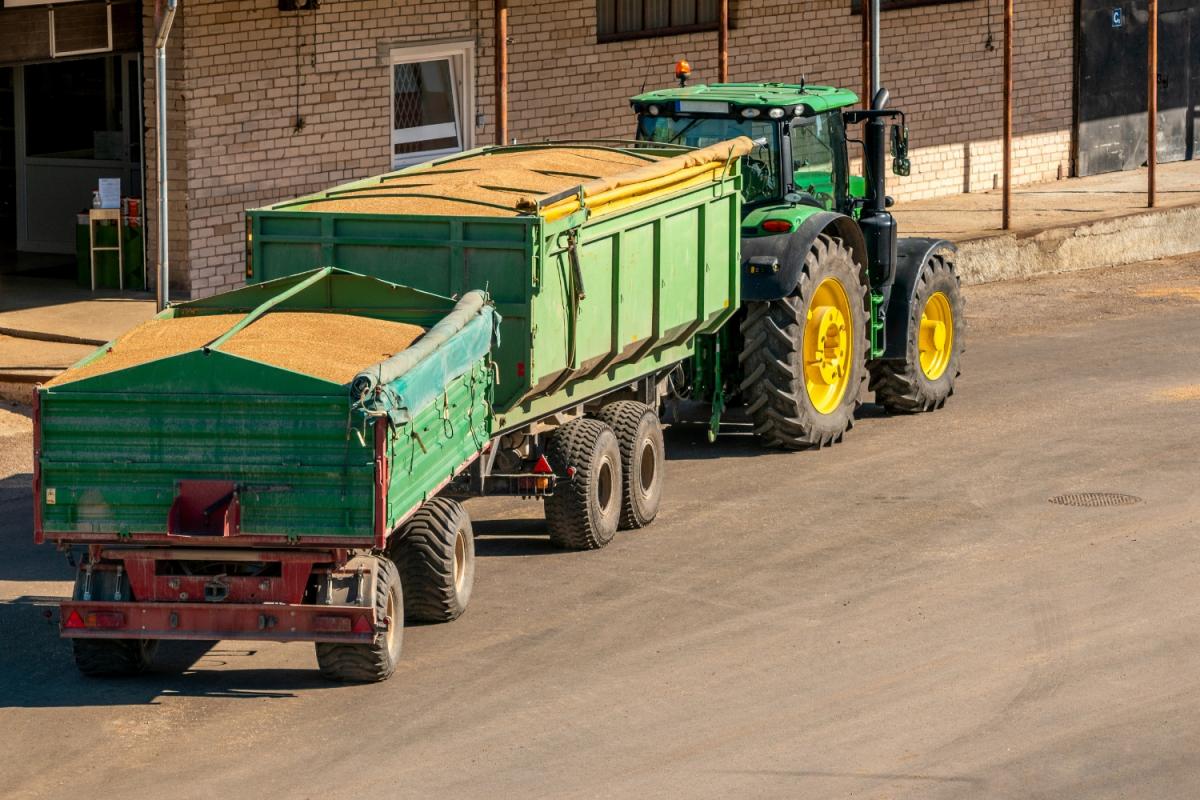
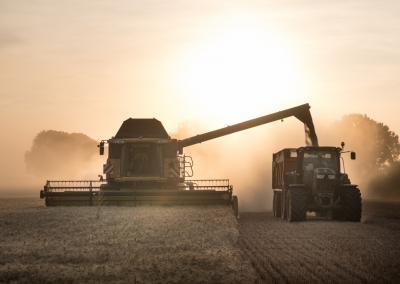
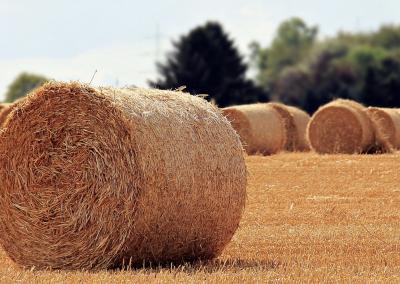
The German Farmers’ Association warned on Friday that the prolonged drought and summer heatwave would lead to a fall in crop yields, with the worst-affected regions potentially losing their entire harvest.
Furthermore, winter fodder stocks for livestock have fallen sharply due to parched pastures, Joachim Rukwied, head of the German Farmers’ Association, told AFP (Joachim Rukwied).
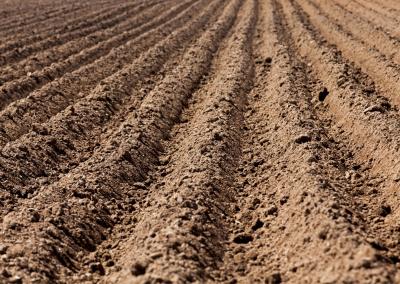
This summer, south-western Germany was particularly hard hit by heatwaves and low rainfall, which led to forest fires, parched farmland and falling river levels. In some southern regions, where it has not rained for several weeks, “crop losses or even a complete loss of the harvest are highly likely”, said J. Rukwied.
“We farmers have been feeling the effects of climate change for a long time,” said J. Rukwiedas. “Growing seasons have shifted, and the harvest begins much earlier than before. Furthermore, there has been a sharp increase in extreme weather events – ranging from prolonged periods of drought to heavy downpours and hail.“
According to estimates by the German agricultural co-operative association “Raiffeisen” , this year’s grain harvest shortfall could reach three million tonnes, with losses amounting to around 600 million euros.
“2026 will go down in history as an exceptionally hot year,” – said the association’s grain market expert, Guido Seedler (Gvidas Zydleris), adding that these losses “will deal a severe blow to the agricultural sector”.
J. Rukwiedas called on the government to intervene and provide financial support to farmers, for example by reducing the excise duty on diesel used in agriculture.
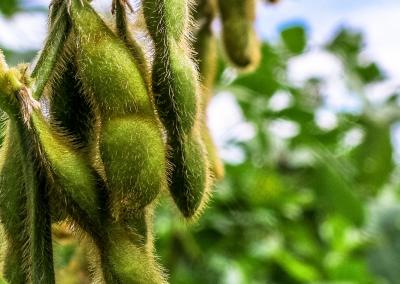
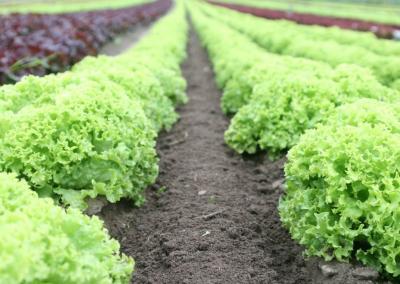
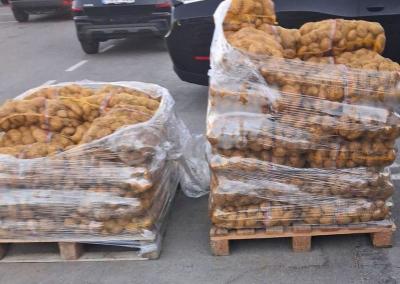
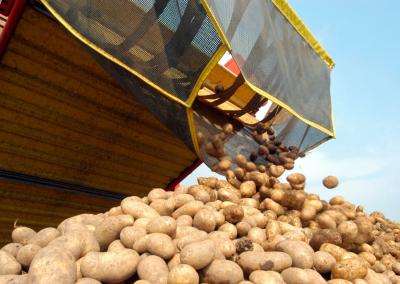
Speaking about the autumn crops, he stated that “we must expect significant crop losses here too”, including potatoes, vegetables and sugar beet, as well as maize and soya.
The situation is slightly better in northern Germany, where there has been some rain in recent weeks, he said, but added that long-term trends there also suggest the harvest will be “below average”.

Similar articles




Video