


























































































Vignettes are being phased out: from 2027, the cost of travelling 100 km on Lithuanian roads will be up to 27 euros
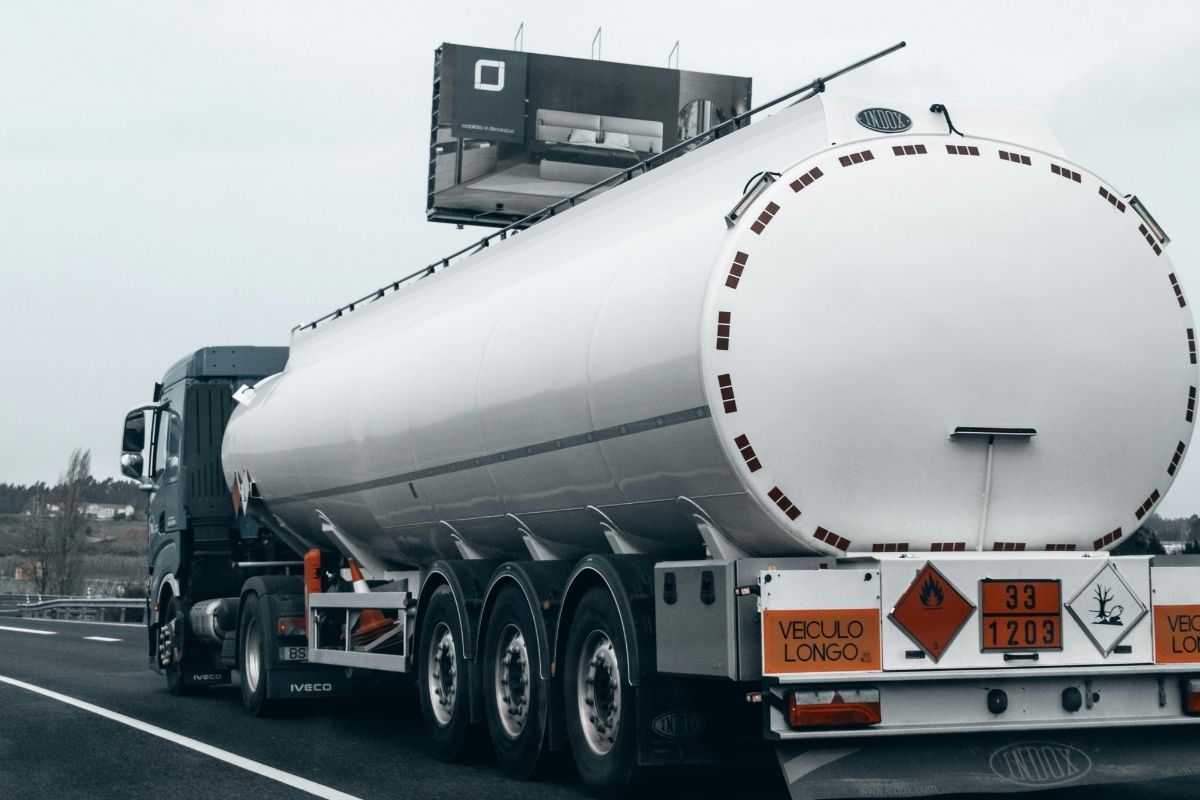
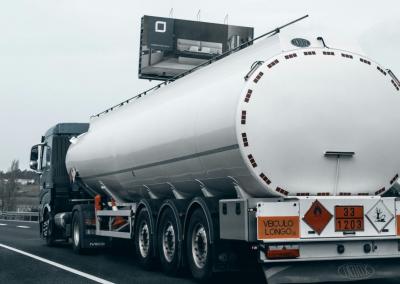
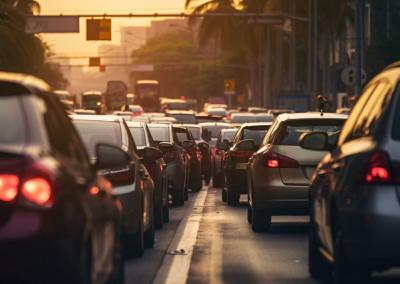
From 1 January 2027, a new electronic road toll system, “Via Toll”, will come into force in Lithuania, replacing the electronic vignettes used to date. Freight and passenger transport operators will pay not for the time spent on the roads, but for the distance actually travelled. These changes are also relevant to agricultural and agribusiness companies that operate freight transport and carry grain, fertilisers, animal feed and other produce.
According to “Via Lietuva” calculations, travelling 100 km on the country’s toll roads will cost between approximately 1 and 27 euros. The toll rate will depend on the vehicle category, number of axles and emission class. Zero-emission vehicles will be charged at rates of 0.1–9.8 euro cents per kilometre, low-emission vehicles at 1.8–10.8 cents, and for all others – 3.2–26.6 cents.
For example, a 12-tonne, two-axle lorry in the EURO V emission class will cost around 7.6 euros to travel 100 km on toll roads in Lithuania, whilst a three-axle or multi-axle lorry will cost 8.5 euros.
Compared with other European countries, the proposed tariffs in Lithuania will be among the lowest. For a lorry with similar specifications, a 100 km journey on Polish motorways costs around 13 euros, in the Czech Republic – from 15 euros, and in Slovakia and Hungary – around 21 euros. In Germany, the toll is around 28 euros; in Austria – 30–41 euros; and in Switzerland – around 36 euros.
Lithuania will become the first Baltic country to switch to a distance-based road toll system. Currently, this charging model is in use in 18 European countries, whilst vignettes are used in six. Under the EU Eurovignette Directive, time-based vignettes for heavy goods vehicles are set to be phased out on the Trans-European Transport Network (TEN-T) by 2030.
The new system will apply to vehicles in categories M2, M3, N1, N2 and N3. Owners of light vehicles in category M1 will not face any additional charges.
The government expects the new system to generate significantly higher revenue. It is forecast that around €110 million will be collected in the first year alone – 60 per cent more than is currently generated from the sale of electronic vignettes. All funds collected will be channelled into the State Road Fund and used for road repairs, reconstruction, bridge refurbishment and other infrastructure improvement works.
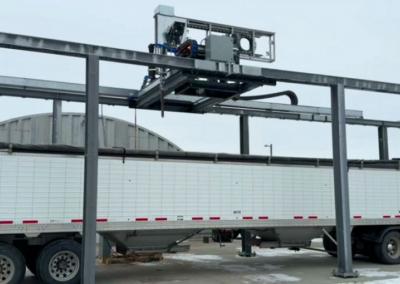
The toll can be calculated and paid via a mobile app or using solutions provided by third-party service providers. Pre-paid tickets are available for single journeys.
For agribusinesses, the new charging scheme will mean a need to reassess logistics costs. The financial impact will depend on the characteristics of the vehicles, the frequency of journeys and the distance travelled on toll roads.

Similar articles





Video