




































































Latvia is planning to impose a 300 per cent tariff on grain shipments from Russia and Belarus
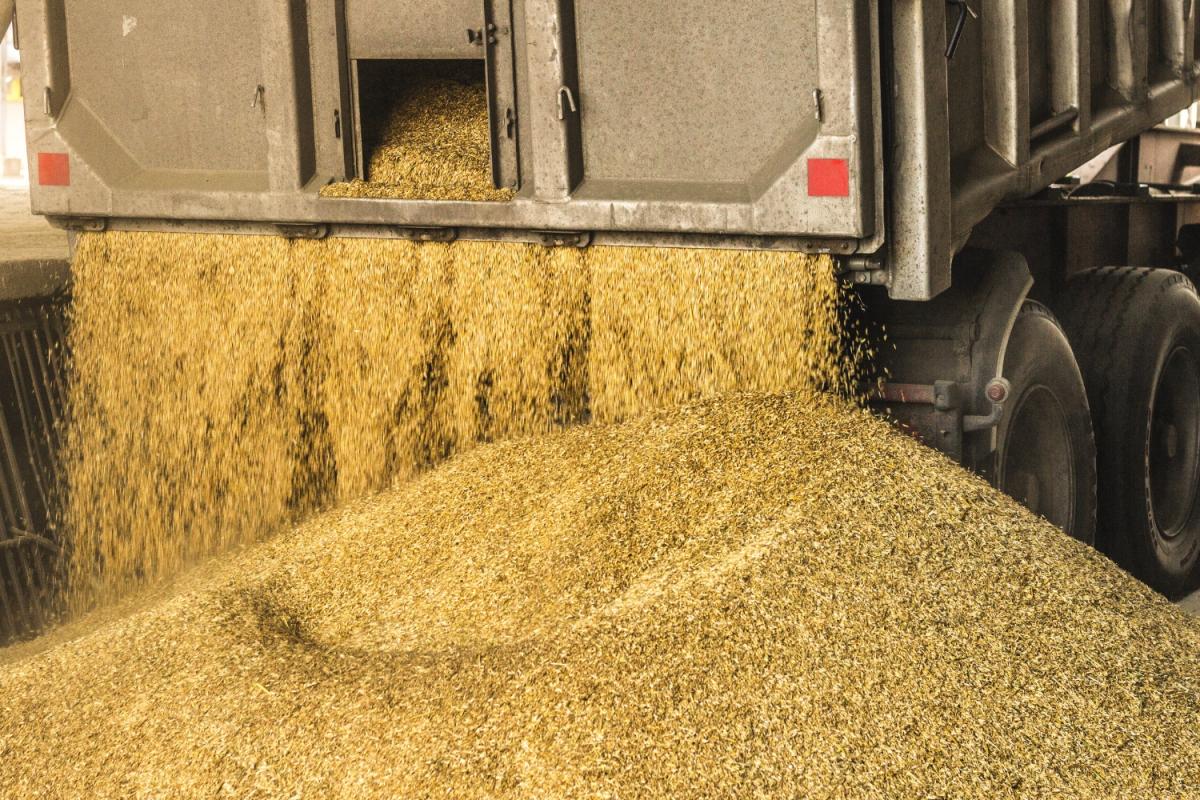
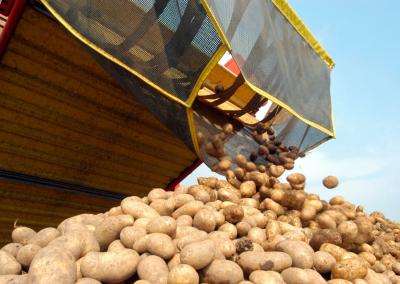
The Latvian government plans to introduce a 300 per cent tariff on grain shipments from Russia and Belarus and on the processing of such grain, as well as to establish mechanisms enable the identification of potentially stolen Ukrainian grain and impose sanctions on its export, Prime Minister Andris Kulbergs told journalists on Monday following a coalition meeting.
There are also plans to ensure the ability to inspect cargo in transit and to cooperate with Ukrainian representatives and laboratories in determining the origin of the grain.
Mr Kulbergas emphasised that Latvia is seeking a common position among the Baltic states to ensure that “Russian grain does not use the region’s infrastructure”. He has already discussed this issue with the Estonian Prime Minister and plans to hold talks with the Lithuanian Prime Minister.
Following a weekly coalition meeting, the Prime Minister told journalists that Russia is attempting to maximise its grain exports whilst simultaneously restricting Ukraine’s ability to use the Black Sea export corridor. According to information provided by Ukraine, grain exported from the occupied territories of Ukraine may also be mixed with Russian grain.
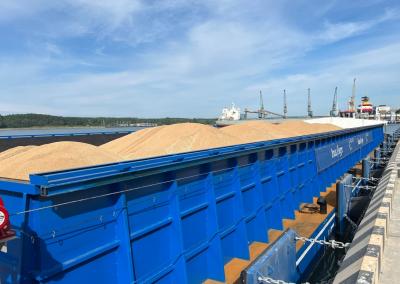
Latvia’s coalition parties have agreed on measures aimed at restricting the transit of Russian and Belarusian grain through Latvia, giving priority to the interests of Latvian farmers and preventing the circulation of grain exported from the occupied territories of Ukraine.
Arvilis Ašeradenas, a member of the “New Unity” faction, Arvilis Ašeradenas, stated his support for the solutions proposed by the Prime Minister and emphasised that Russian grain should not be transported through Latvia. He drew attention to the need to clearly identify and separate grain originating from the occupied territories of Ukraine.
Meanwhile, Artūras Butanas, a member of the National Alliance parliamentary group, announced that his party had drafted amendments to the Law on Agriculture and Rural Development, aimed at completely banning the transit of Russian grain through Latvian ports and infrastructure. He emphasised that the aim of increasing tariffs should not be to generate additional revenue, but to highlight the economic unviability of transit.
Economy Minister Viktoras Valainis noted that decisions regarding grain must, first and foremost, protect the interests of Latvian farmers by ensuring they have access to port and transport infrastructure at the most favourable time for exports.
It was reported in the media that, due to Ukrainian attacks on ships and port infrastructure, Russian grain exporters have begun to divert grain shipments from the Black and Azov Seas to the Baltic Sea.
During the previous export season – from July 2025 to June 2026 – Russia exported 46.3 million tonnes of grain via ports on the Black and Azov Seas, accounting for 90 per cent of its total exports. Only 1 million tonnes were shipped via Russia’s Baltic Sea ports.
However, according to sources cited by the agency “Reuters” , demand for grain shipments to Russia’s Baltic Sea ports had already reached 5 million tonnes between the start of the new season and mid-August 2026.
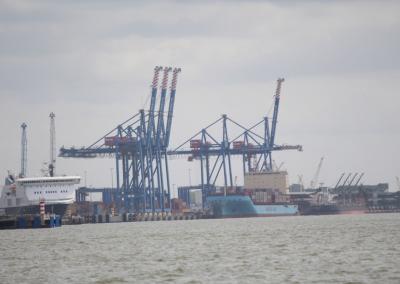
Furthermore, Russian exporters are increasingly turning to the ports of the Baltic states, particularly Latvia, and it is expected that shipment volumes will rise sharply in September.
Attacks by the Ukrainian armed forces have destroyed more than 80 per cent of Russia’s grain export capacity. According to experts’ estimates, wheat exports in August totalled just 1.9 million tonnes, the lowest figure in the last 16 years.

Similar articles


Video