
























































As bird flu spreads across Europe, the State Food and Veterinary Service urges people to protect their birds and to comply with biosecurity requirements in a responsible manner
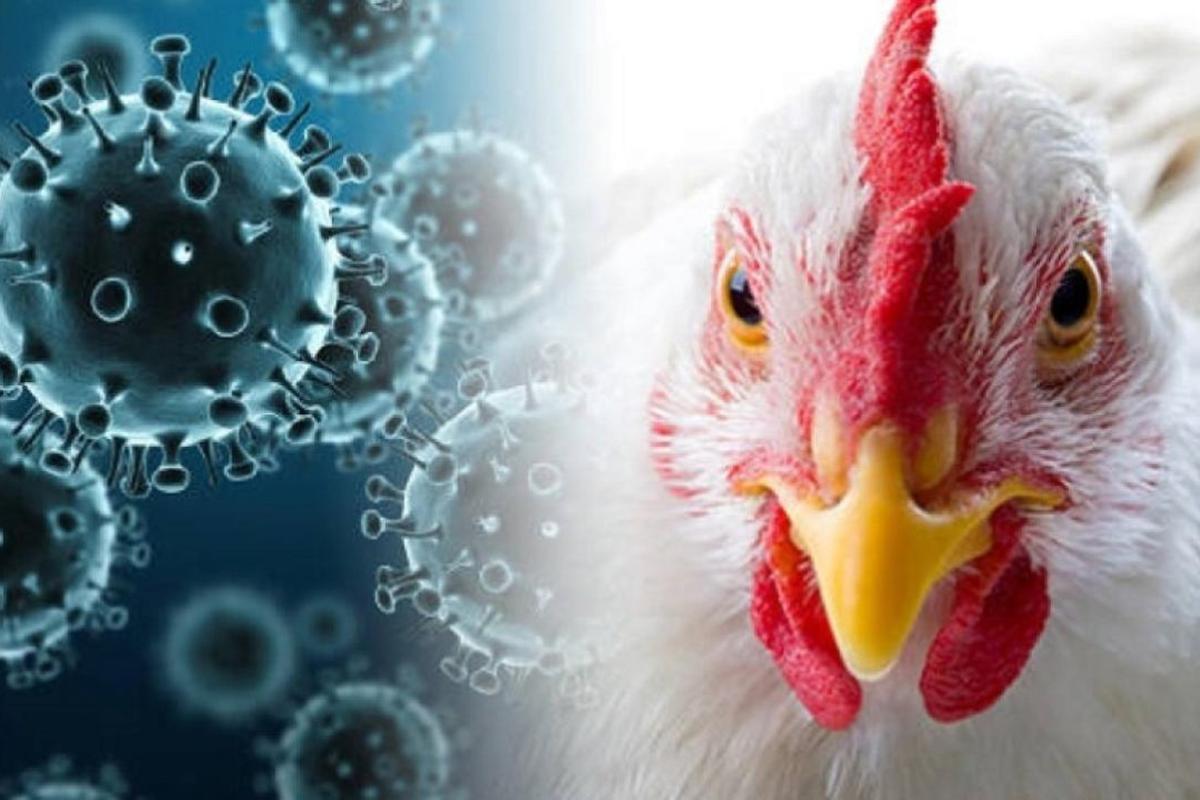
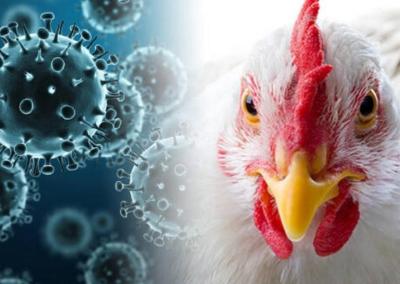
Although the risk of avian influenza persists throughout the year, the threat of the virus spreading increases even further in autumn due to the intensified migration of wild birds. This is also highlighted by new outbreaks of the disease in Europe. In recent days, outbreaks of highly pathogenic avian influenza (H5N1) have been detected on poultry farms in Denmark, the Netherlands and Germany. The threat of avian influenza is also a concern for Lithuania; therefore, the State Food and Veterinary Service urges poultry keepers to adhere strictly and consistently to biosecurity requirements.
On 24 October this year, a suspected case of avian influenza was reported in Denmark at a farm where turkeys were reared for meat. On 25 October, laboratory tests confirmed the presence of the H5N1 virus. The farm lost 600 birds to the virus, whilst the remainder (26,400) were culled. In order to halt the spread of the disease, a 3 km protection zone and a 10 km surveillance zone have been established around the infected farm, and restrictions on the movement of animals and other disease control measures are being implemented.
Outbreaks of avian influenza have also been recorded in other European countries: since 19 October, the virus has been detected on two farms in the Netherlands, where 44,000 birds were kept, in Germany – on two farms housing 1,200 birds, and in Denmark – on three farms housing 67,000 birds. These cases clearly show that the virus continues to spread across Europe, and the threat to poultry farms is significant.
“Outbreaks of avian influenza in the autumn are not unexpected. The virus can be transmitted not only through direct contact with infected wild birds, but also via the environment, water, feed, footwear or equipment contaminated by their droppings. It is therefore very important not only to comply with biosecurity requirements as a matter of form, but also to assess whether there are any gaps in day-to-day farm operations through which the virus could enter poultry housing. Even when no new outbreaks are detected in Lithuania, preventive measures remain essential: “Let us not forget the lessons from the recent past, when avian influenza was detected on Lithuanian poultry farms during the winter months and caused very significant losses,” – emphasises Paulius Bušauskas, Deputy Director of the State Food and Veterinary Service.
Specialists from the State Food and Veterinary Service (VMVT) emphasise that compliance with biosecurity requirements is crucial for both large commercial poultry farms and small-scale farms where birds are reared for personal consumption.
First and foremost, it is important to ensure that domestic birds do not come into contact with wild birds, and that feed and water are protected from potential contamination; it is also essential to restrict access by unauthorised persons to poultry housing areas, to wear appropriate footwear and clothing, and to regularly clean and disinfect equipment – these daily measures help to reduce the likelihood of the virus entering the farm.
Furthermore, poultry keepers should closely monitor the health of their birds: if there is a reduction in feed or water intake, changes in the birds’ behaviour, the appearance of other unusual symptoms, or a sudden increase in mortality, it is essential to contact a vet immediately or notify the State Food and Veterinary Service.
The recent outbreaks of avian influenza in European countries serve as a reminder that the epidemiological situation can change very quickly; therefore, one must not “let one’s guard down” even during periods when no new cases of the disease are detected in Lithuania. The State Food and Veterinary Service urges poultry keepers to reassess the biosecurity measures in place on their farms and ensure that they are consistently followed on a daily basis. Timely rectification of biosecurity gaps can help protect poultry and prevent losses associated with disease outbreaks.

Similar articles

Video