

















































































Human trafficking investigation – 64 victims: ‘Vilniaus paukštynas’ did not assess the working conditions of its contractors’ employees separately prior to the story being made public
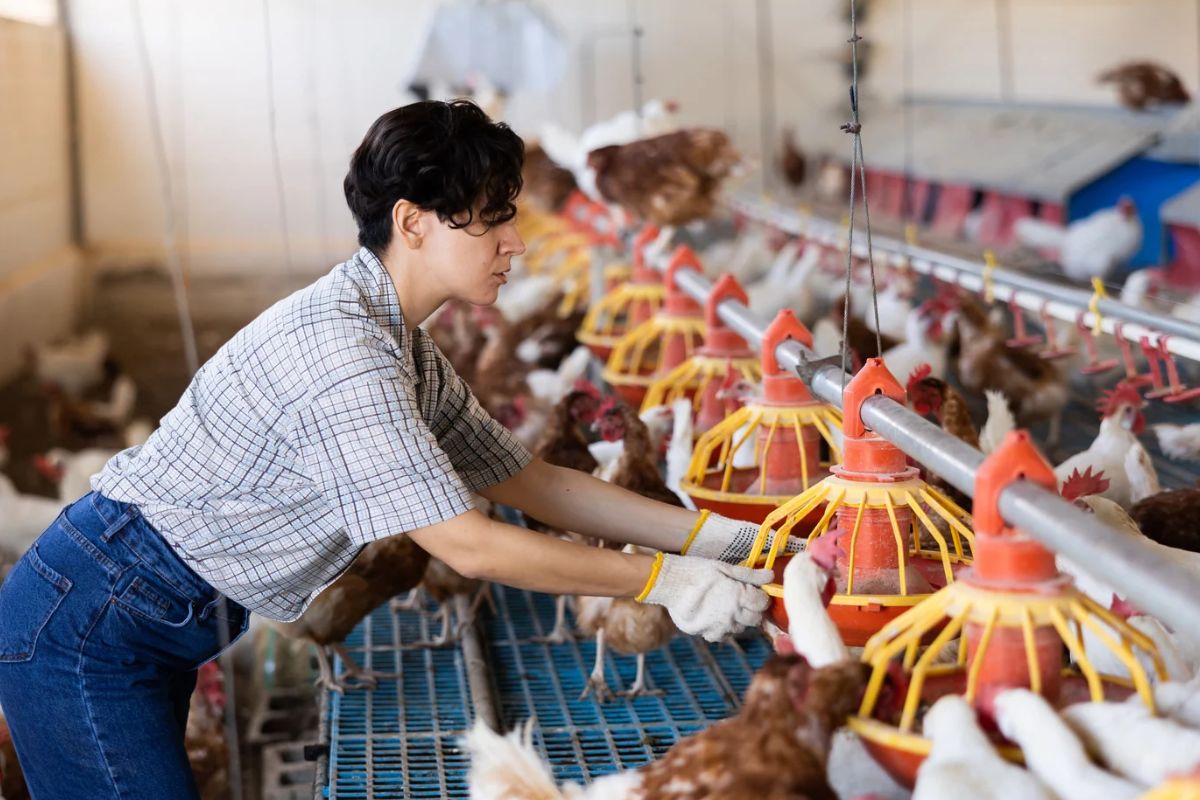
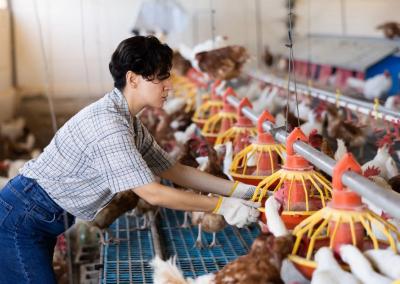
In the pre-trial investigation into the alleged exploitation of Filipino nationals for forced labour at poultry farms in Lithuania, 64 people have currently been recognised as victims. Charges relating to alleged human trafficking and document forgery have been brought against seven individuals and two legal entities.
The State Labour Inspectorate (VDI) has confirmed that as far back as 2025, whilst inspecting the company “Vilniaus paukštynas“, it identified violations showing signs of human trafficking and exploitation, and therefore passed the information on to pre-trial investigation officers. The VDI is not disclosing the specific violations that were recorded due to the ongoing investigation.
Investigation – into possible human trafficking
The Office of the Prosecutor General has stated that a prosecutor from the Organised Crime and Corruption Investigation Division of the Vilnius Regional Prosecutor’s Office is leading the pre-trial investigation under the relevant articles of the Criminal Code concerning possible human trafficking and the forgery of documents or the handling of a forged document.
“The circumstances of the alleged criminal offences are currently being thoroughly investigated, and evidence relevant to the investigation is being gathered,” the prosecutor’s office stated. Charges have been brought against seven individuals and two legal entities, with 64 people recognised as victims. The scope of the investigation relates to the possible exploitation of Filipino citizens for forced labour. Employees of “Vilniaus paukštynas” and “Kaišiadorių paukštynas” are being, or will be, interviewed as witnesses in the investigation. The contractors “FA Solutions” and “World Halal Trust” have been named in public information as the two suspected legal entities.
In accordance with the presumption of innocence, all suspects are presumed innocent until their guilt has been proven and established by a final court judgement.
Two companies were engaged for specialised work
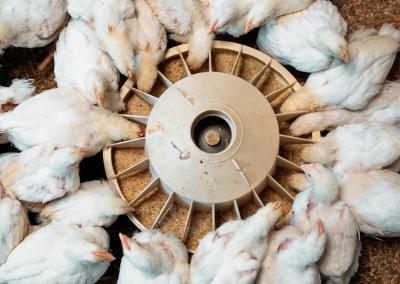
“Vilniaus paukštynas” explains that, due to a shortage of staff, the company is working with temporary employment agencies, production contractors and other service providers. “FA Solutions” and “World Halal Trust” were reportedly brought in for specialised production work that meets halal requirements.
“This production requires specialist knowledge, appropriately qualified staff, and an understanding of halal standards and applicable procedures. It was precisely for these specialised tasks that we engaged UAB “FA Solutions” and UAB “World Halal Trust”. The choice of such service providers on the market is extremely limited“, – stated the company’s director. According to him, before concluding the contracts, checks were carried out to ensure that the companies were not subject to sanctions and that their halal certificates were valid. Before contractors’ staff began working on the poultry farm premises, their documents confirming their right to be in, reside in and work in Lithuania were also checked, as was compliance with the requirements to notify “Sodra”.
“We did not identify any breaches during these checks,” says S. Petkevičius. However, the company also confirmed: “The working conditions, pay and accommodation of contractors’ employees had not been assessed separately prior to the public announcement of information regarding possible breaches.”
Working hours were recorded by the contractors
“Vilniaus paukštynas” states that it paid contractors for specialised work based on the volume of output produced. Staff rosters, working hours and rest periods, as well as individual working time records, were managed by their direct employers – the contractors.
“As direct employers, the contractors independently drew up their employees’ work schedules, organised working and rest periods, and managed their individual working time records,” the company explained.
The poultry farm operates an access control system that records people entering and leaving the premises or specific production areas. According to the company, this data can help determine the time a person spent on the premises, but does not in itself constitute a record of the actual hours worked by an individual.
“Agrobitei” does not specify whether, following publicly announced claims regarding possible 200–328-hour work schedules, the poultry farm cross-referenced contractors’ working time records with its own access control data.
Employees were interviewed without their employers present
Following the publication of the information, “Vilniaus paukštynas” launched an internal assessment of the social and working conditions of the contractors’ employees mentioned in the investigation. This covers working and accommodation conditions, payment for work, the organisation of working hours and rest periods, and freedom to dispose of personal documents. The company states that it spoke to the contractors’ employees individually, without the presence of their employers’ representatives.
“The workers interviewed during this assessment did not express any complaints regarding their working conditions, accommodation or pay,” the poultry farm states. However, S. Petkevičius himself points out that these conversations do not allow for conclusions to be drawn about the experiences of all those who previously worked at the company.
“These results relate to specific interviews and do not allow us to draw conclusions about the experiences of all former employees. The assessment is ongoing, so we cannot provide any final conclusions at this stage“, he said.
One contractor has already withdrawn, whilst others intend to do so
In response to the information made public, “Vilniaus Paukštynas” has begun looking for other certified halal service providers. The poultry farm no longer uses the services of one of the companies mentioned in the pre-trial investigation. Several employees of other contractors are still carrying out specialised work during the transition period; however, according to the company, cooperation will be completely terminated in the near future. It has not been disclosed which contractor has already been replaced and which ones’ services are still being used on a temporary basis.
The company is also tightening its supplier selection and verification procedures. Contractors will have to confirm, and upon request provide documentary evidence of, their own and their subcontractors’ compliance with the established requirements. The Supplier Code of Conduct stipulates an obligation to respect workers’ rights, not to tolerate forced labour, threats or exploitation, not to impose unreasonable recruitment fees on employees, to keep transparent records of working hours, and to comply with requirements regarding wages and rest periods.
The poultry farm did not specify exactly how many people were employed
“Agrobitė” also asked for details of how many “FA Solutions” and “World Halal Trust” were employed at the Vilnius and Kaišiadorys poultry farms and what roles they performed. “Vilnius Poultry Farm” did not provide specific figures, explaining that the number of employees had fluctuated over time and that a precise timeframe would be required to answer the question. Meanwhile, the figures circulating in the public domain vary. The first investigation mentioned approximately 140 Filipinos working at the Rudamina and Kaišiadorys poultry farms, whilst the head of “FA Solutions” had previously stated that there were around 60 workers from the Philippines and that they worked only in Vilnius.
The ongoing pre-trial investigation will have to provide a definitive answer as to how many people may have been exploited, what their actual working conditions were, and who is responsible for them.

Similar articles

Video