


































Farmers on Timac Agro Lietuva’s decision: consistency and respect are more important than a second chance
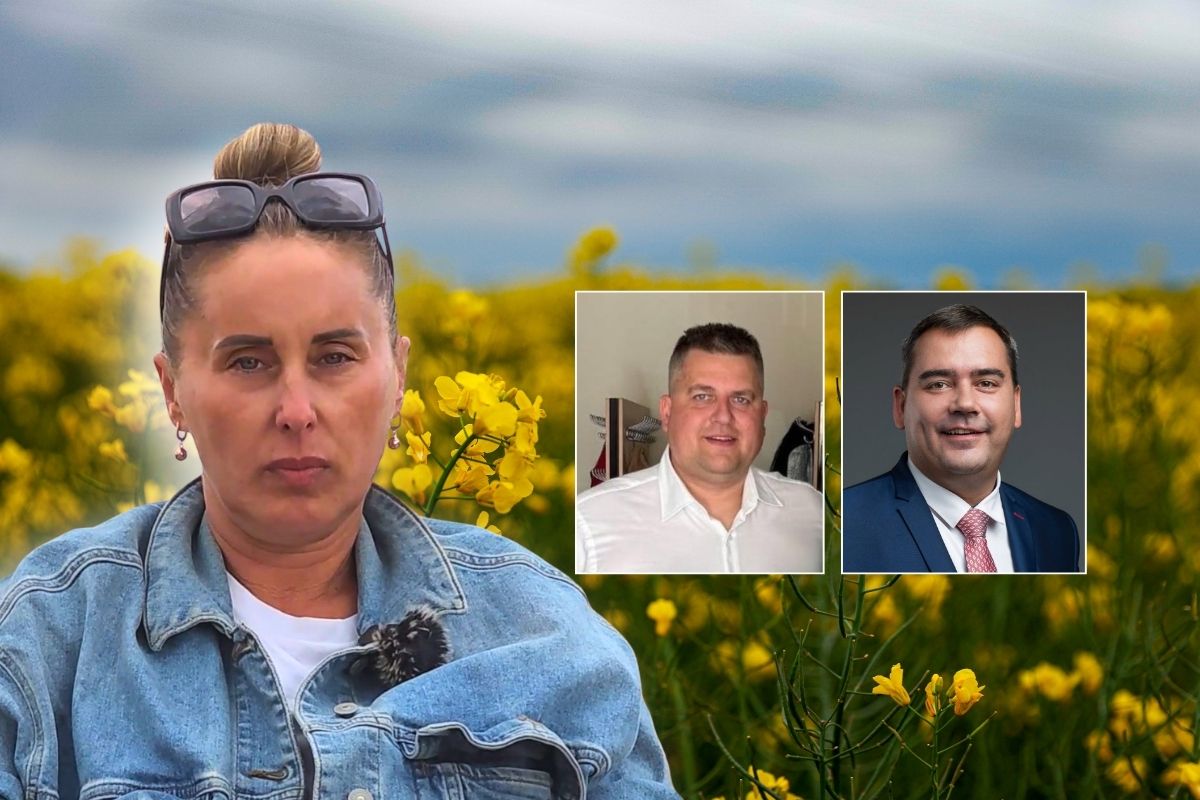
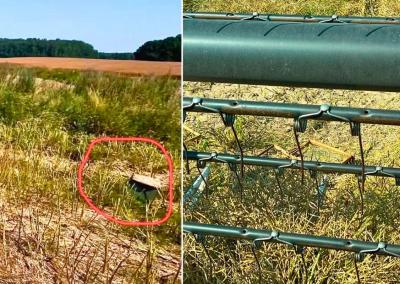
Just recently, “Agrobitė” reported on how an employee of “TimacAgro Lietuva”, who had mocked a farmer’s crops last year, had returned to the same post. A year ago, the company publicly stated that there was „no place„ for such behaviour within the organisation, nor would there ever be. What has changed? Ramūnas Labazinas, Marketing Projects Manager at “Timac Agro Lietuva”, did not respond to some of the direct and specific questions (including whether the employee who caused the scandal is still working there)and clarified that he could not comment on individual employees’ employment relationships, HR decisions, recruitment processes or internal assessments. This raises the question of whether the company’s publicly stated position on such behaviour is consistent with the current situation, in which farmers are once again encountering the same person as a company representative. What do the farmers themselves think about this?
Although the interviewees’ opinions differed on certain aspects, almost all emphasised that the company should adhere to its publicly declared values and communicate its decisions clearly.
“This is about the company’s own image”
Farmer Rokas Šlivinskas recalls that last year’s incident caused great outrage within the farming community.
“You can’t treat farmers like that, especially after the frosts. The field where the filming took place was right next to mine; I even drove over to check whether it really wasn’t mine,” he says.
However, in his view, the most important issue today is not the employee himself: “This is about the company’s own image – the one it wishes to project. We, as ordinary people, cannot tell the company whether or not to take that employee back, but from a reputational point of view, in my opinion, this is not a good decision.“
R. Šlivinskas acknowledges that people have the right to make mistakes: “Perhaps a second chance could be given. But perhaps they should have started him off in a different role within the company or transferred him to another region. If I were the company director, I’d have gritted my teeth and managed without his services. But that’s just my opinion.“
„If you take him back – explain why“
Farmer Jolanta Greinienė (Grey) says that the biggest problem for her seems not to be the decision itself, but the fact that it was not explained.
“He who does nothing makes no mistakes. But that behaviour (the video clip – author’s note) was truly shameful and quite hurtful. And now to take that person back without explaining it to the public… If there’s no other option and you’re giving the person a chance to make amends, then you should be more open and transparent, and explain why you’re doing it“,” the interviewee points out.
In her view, such a decision undermines farmers’ trust: “I think it shows a lack of respect for farmers and is simply about making money. There really ought to be some limits. A public explanation was needed for the farmers as to why that person is returning – perhaps an investigation had been carried out at the company, or perhaps an ethics plan had been drawn up for that person, or something similar.“
When asked what is more important in this situation – giving the employee a second chance or consistently upholding the company’s declared values, she replied without hesitation: “It is precisely adherence to the company’s publicly declared values.”
The farmer also makes no secret of the fact that, following last year’s incident, she decided to cease working with the company.
“I simply have no further comment”
Mindaugas Maciulevičius, chairman of the Kaunas District Farmers’ Union, explains that even before the scandal involving the company, he had been planning to organise a seminar for farmers on more advanced fertilisation solutions.
“We’d prepared a really interesting concept; negotiations had begun, but immediately after some serious discussions took place, that incident happened. So everything came to a sudden halt, because some of the farmers lost trust and we simply scrapped the idea,“ he reveals. According to him, the decision to send the same person back to the farmers raises many questions: “The company has ruined all the groundwork it had laid. And if they continue to keep such a person on their staff and keep sending him out to the farmers… I simply have no comment.”
M. Maciulevičius says that restoring a reputation in the agricultural sector is a complex process in itself: “The farming community isn’t that large, and trust is very important. The company’s products… Well, they really do need to convince farmers that their products and the research they’ve carried out are genuine and that they deliver results – will such an employee be able to do that?”
M. Maciulevičius says he also found the employee’s own reaction lacking: “This management decision raised a lot of questions for me – why stir up the community unnecessarily? After all, that person has already been labelled by the farmers. I would even say that if he had apologised publicly, said that he’d made an ill-advised joke, or at least issued some sort of statement. But the only communication we heard from him was that recording mocking someone else’s pain.“
Opinions were divided
Farmer Andrius Dirmeikis takes a somewhat more moderate stance: “I know this man outside of work as well. In my opinion, there is no tragedy here. It was an ill-advised joke at the wrong time and in the wrong place.“
However, he too believes that the decision primarily reflects the company’s own attitude: „It says more about the company’s values and its attitude towards farmers.“
When asked what is more important in this situation, A. Dirmeikis replies: “I think the company should be more consistent in adhering to its stated values.”
Farmer Edas Sasnauskas takes a similar stance.
“I don’t work with them, and if a company hires such a team, I wouldn’t even want to work there and I won’t,” he says.
In the opinion of most of the farmers surveyed, the most important question today is not whether a person can change, but whether a company’s publicly declared values are consistently reflected in the decisions it makes.

Similar articles




Video