















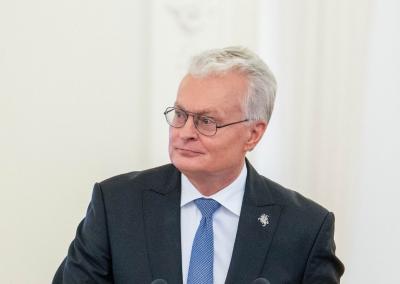































































L. Savickas: The Government plans to agree on a ‘climate action package’, which it aims to implement by 2030.
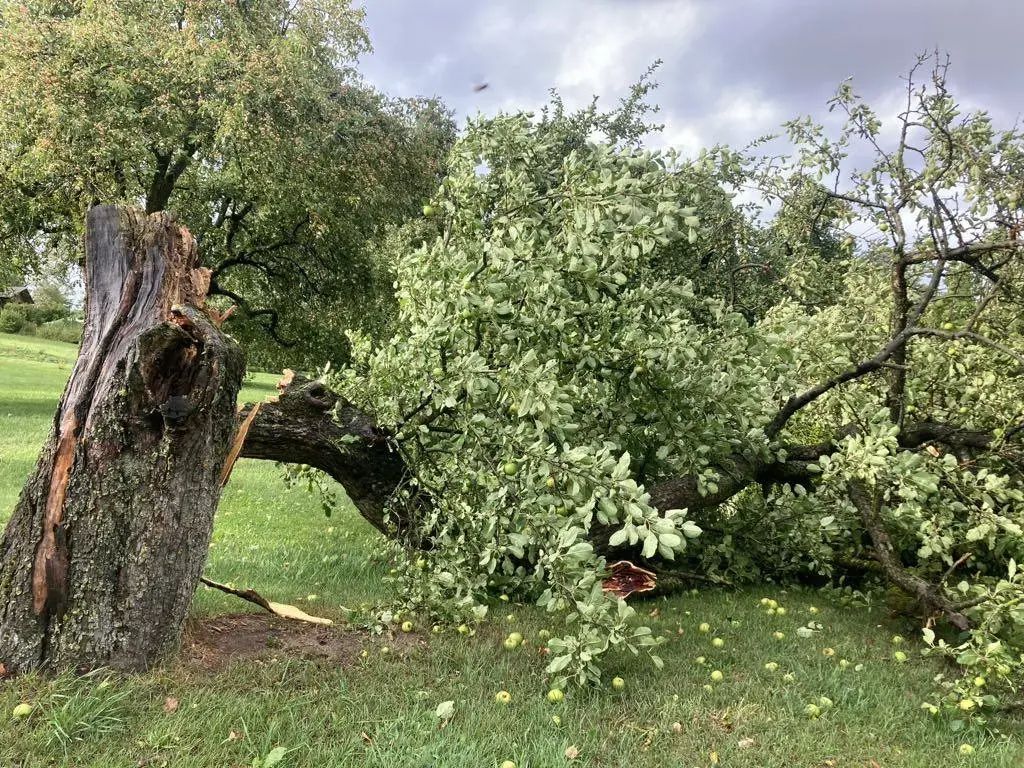
Energy Minister Lukas Savickas says that the so-called “storm package“ will be presented to the Government on Wednesday, which, with a view to reducing the impact of future natural disasters, sets out specific targets for grid cabling, tree felling plans and generator capacity by 2030.
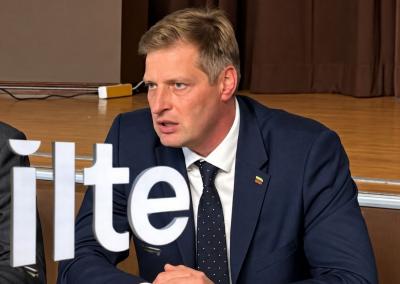
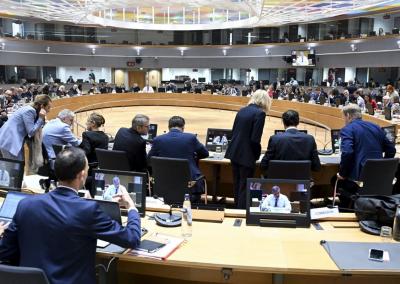
“In a few hours’ time, there will be a Government consultation and a meeting; the ‘storm package’ is expected to be discussed, and agreement on it should be reached within the Government. (…) There won’t be any major surprises, as in most cases we have discussed in detail what needs to be done to stop merely patching up the system and instead seek systemic solutions,“ – the minister told journalists on Wednesday.
According to him, the plan’s elements include a faster pace of network cabling, a greater number of right-of-ways, and the expansion of reserve electricity capacity.
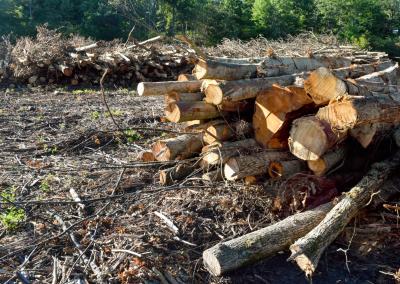
“This involves cabling – a specific volume has already been agreed and proposed, as well as the removal of dangerous trees – we know that it was precisely trees falling on the networks that was the overwhelming cause of so many power cuts, (…) generators, operational solar power stations and a host of other solutions have all been included in the storm response package“,” explained L. Savickas.
“We hope that the Government will make a decision today and announce the next steps – our aim is for the full scope to be implemented by 2030,” – he noted.
Following a major storm in August, which left thousands of residents without electricity for several weeks, Renaldas Radvila, head of the “Energy Distribution Operator” (ESO), and he will step down at the end of September.
At the time, the Minister for Energy said he would ensure that responsibility for this crisis did not end with a mere personnel decision, and that a specific action plan would be approved to strengthen the resilience of the electricity grid, speed up response times and ensure the public is better informed.
Following the storm, politicians called for the pace of cabling works to be stepped up and for ESO to increase its investment in grid resilience.
ESO had previously announced plans to replace twice as much – around 700 kilometres – overhead power lines with underground cables this year, and to lay 2,000 kilometres of underground cables over the next four years.
It has been calculated that, in order to triple the rate of cabling to 6,000 kilometres, this additional capacity would cost the state 320 million euros.
At the height of the storm that hit Lithuania on 22 August, the electricity supply was disrupted for more than 268,000 ESO customers. Due to the consequences of the storm and the losses suffered by farmers, the Government declared a national state of emergency.

Similar articles



Video